




Loop And Berber Carpet: What Type Of Carpet Should I Choose?
Choosing the right carpet for your home or office can be overwhelming, especially when faced with options like loop and Berber carpet. As someone who has explored various flooring solutions, I know how essential it is to find a carpet that balances aesthetics, durability, and functionality. In this article, I will share my insights on loop and Berber carpets, their materials, pros and cons, and the differences between them to help you make an informed decision.
Definition And Characteristics Of Berber Carpet
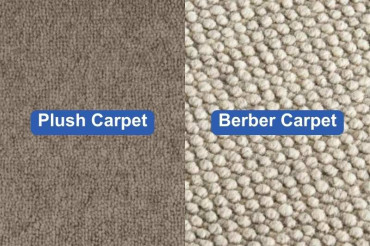
DefinitionBerber carpet is a type of looped carpet known for its durability and distinctive flecked appearance. Inspired by traditional handwoven Berber rugs from North Africa, modern Berber carpets feature tightly woven loops that make them resistant to wear and tear. This style is popular for high-traffic areas due to its ability to hide dirt and maintain its look over time.
Characteristics
One of the standout characteristics of berber carpet is its looped fibers, which contribute to its durability. Unlike cut-pile carpets, Berber maintains a continuous loop construction, making it resistant to wear and tear. The speckled or multi-tone color scheme helps conceal dirt and stains, a significant advantage for high-traffic areas. Additionally, Berber carpets tend to have a low pile height, providing a firmer feel underfoot.

Berber carpet
Materials Commonly Used In Berber Carpets
Berber carpets can be made from various materials, each offering different benefits. Wool Berber is a premium option, providing softness, durability, and natural stain resistance. Nylon Berber is another popular choice, known for its resilience and stain-fighting capabilities. Polyester Berber offers affordability and decent stain resistance, though it may not be as durable as nylon. Olefin (polypropylene) Berber is budget-friendly and highly stain-resistant but can flatten over time in high-traffic areas.
Materials of berber carpet
Pros And Cons: Berber Carpet
ProsFrom my experience, berber carpet is an excellent choice for homeowners looking for a balance of durability and aesthetics. Its speckled design effectively conceals dirt, making it particularly practical for high-traffic areas and busy households. The tightly woven loops enhance its resilience, ensuring it withstands daily wear. Additionally, it requires minimal maintenance and is often more affordable than plush carpets while still delivering a stylish and modern look to any space.
Cons
However, Berber carpet does have some drawbacks. The looped fibers can be prone to snagging, especially in homes with pets that have sharp claws, which may cause the loops to unravel and create visible damage. While its stain resistance is a major advantage, liquid spills can sometimes penetrate deep into the loops, making thorough cleaning more difficult. Additionally, Berber's firmer texture may not be as comfortable underfoot compared to plusher carpet options.

Advantages and disadvantages of berber carpets
Applications Of Berber Carpets
Berber carpet is a practical choice for high-traffic areas such as hallways, offices, and basements due to its durability and dirt-hiding capabilities. Its stain-resistant nature and low maintenance make it especially appealing for rental properties and commercial spaces. Additionally, its tightly woven loops help prevent wear and tear. However, it may not be the most comfortable option for bedrooms or lounging spaces where a softer, more cushioned feel is preferred.
Applications of berber carpets
Definition And Characteristics Of Loop Carpet
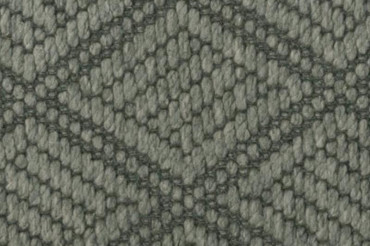
DefinitionLoop carpet, also known as loop-pile carpet, consists of yarn loops that remain uncut, creating a durable and visually appealing surface. It is available in different styles, including level loop, which provides a uniform and firm texture, multi-level loop, which adds depth and pattern, and patterned loop, which enhances aesthetic appeal with intricate designs. These variations make loop carpets a versatile option for both residential and commercial settings.
=>>> Discover this article now: Berber vs cut pile carpet
Characteristics
Loop carpet is known for its durability and ability to withstand heavy foot traffic. The continuous loops prevent crushing and matting, making it an excellent option for busy areas such as offices, hallways, and living rooms. It also offers a modern and structured aesthetic, with designs ranging from subtle textures to bold patterns. Loop carpets come in various colors and styles, adding versatility to any interior space.

Loop carpet
Materials Commonly Used In Loop Carpets
Loop carpets are made from a variety of materials, including nylon, polyester, wool, and olefin. Nylon loop carpet is a top choice for durability and stain resistance. Wool loop carpet provides a luxurious feel with natural resilience and eco-friendliness. Polyester loop carpet offers an affordable and soft option, while olefin loop carpet is highly resistant to moisture and stains but may not be as long-lasting in high-traffic zones.
Loop carpet material
Pros And Cons: Loop Carpet
ProsOne of the biggest advantages of loop carpets is their exceptional durability. It withstands heavy foot traffic, making it an excellent choice for high-traffic areas like offices, hallways, and commercial spaces. The structured loops help maintain its shape, preventing matting and crushing over time. Additionally, loop carpet is easy to clean, highly resistant to stains, and provides a sleek, modern look. Its variety of colors and patterns allows for customization, making it a versatile flooring option for both residential and commercial settings.
Cons
Like Berber, loop carpet can be prone to snagging, which may lead to unraveling if not addressed promptly. If a loop gets caught by furniture, pet claws, or sharp objects, it can pull and cause visible damage over time. Additionally, some loop carpets feel firmer compared to plush or cut-pile options, making them less ideal for areas where softness and comfort are priorities, such as bedrooms and lounge spaces.
=>>> Discover this article now: How to repair berber carpet

Advantages and disadvantages of loop carpet
Applications Of Loop Carpets
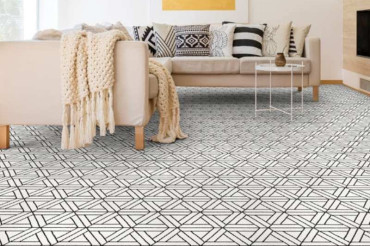
Loop carpets are widely used in offices, hallways, and living rooms due to their durability and resistance to wear. Their structured, uniform appearance complements modern and minimalist designs, making them a stylish yet practical choice. Additionally, loop carpets come in a variety of textures and patterns, allowing for greater customization. However, they may not be the best option for bedrooms or lounging areas where a plush, cushioned feel is preferred for added comfort, as they tend to be firmer underfoot compared to cut-pile carpets.
Applications of loop carpets
What Is The Difference Between Berber And Loop Carpet?
Appearance and StyleWhile both Berber and loop carpets have a similar construction, Berber is known for its signature flecked, multi-tone appearance, whereas loop carpet offers a broader range of colors and patterns. The speckled design of Berber excels at concealing dirt, making it a practical choice for high-traffic areas. In contrast, loop carpet provides greater design versatility, allowing homeowners to select from various textures and styles to match their decor.

Appearance and style
Texture and Feel
Berber carpet is known for its firmer, low-profile feel, providing a sturdy underfoot experience. Loop carpet, on the other hand, offers a wider range of textures, from firm to slightly cushioned, depending on the material and design. If you prefer a softer feel, multi-level loop carpets can provide extra comfort compared to traditional Berber, making them a better choice for areas where a plush, inviting surface is desired.
Durability and Maintenance
Both carpets are highly durable, but Berber has an advantage in resisting foot traffic wear due to its dense, tightly woven loops. However, loop carpet’s uniform construction makes it less likely to unravel if a snag occurs, as the loops are often designed to stay intact. Regular vacuuming and prompt spill cleanup are essential for maintaining the longevity and appearance of both carpet types, ensuring they remain stylish and functional over time.

Durability and maintenance
Price
In general, Berber carpets are more budget-friendly, especially when made from synthetic fibers like polypropylene, with prices typically ranging from $1 to $5 per square foot. Mid-range nylon Berber carpets can cost between $5 and $10 per square foot, while premium wool options may go up to $15 per square foot. Loop carpets show even greater price variation, with basic synthetic options starting around $3 per square foot, mid-grade nylon varieties averaging $5 to $10, and high-end wool loop carpets reaching $20 per square foot or more. The final cost depends on fiber quality, density, and manufacturer.
Suitability for Different Spaces
If you need a carpet for high-traffic areas like hallways, stairs, or offices, both options provide excellent durability. Berber carpets are ideal for areas where you want a textured, casual appearance with a speckled design that hides dirt well. Loop carpets, on the other hand, offer greater design flexibility, allowing you to choose from a variety of patterns and textures. While both are sturdy, they may not provide the plush comfort needed for bedrooms or lounging areas. If softness is a priority, a cut-pile or plush carpet may be a better option.

Suitability for different spaces
Conclusion
Choosing between loop and Berber carpet comes down to your specific needs and preferences. If you prioritize durability and affordability with a unique, speckled look, Berber carpet is a great choice. If you want versatility in style and a wide range of options, loop carpet may be a better fit. Based on my experience, both options are excellent for high-traffic areas, but understanding their strengths and weaknesses will help you make the best decision for your space.
Other articles


COPYRIGHT 2021 © ALL RIGHT RESERVED KATAVINA


[×]
REGISTER AGENT
We will contact you as soon as possible