




Berber Carpet Repair: Common Problems And Repair Prices
Berber carpet is a popular flooring choice thanks to its durability, unique looped design, and aesthetic appeal. However, like any flooring material, it is not immune to wear and tear. Over time, issues such as snags, burns, and stains can develop, leading to the inevitable question: how to repair Berber carpet effectively? In this guide, I will share my expertise on common Berber carpet damages, the associated repair costs, and whether you should tackle the job yourself or hire a professional.
Is It Possible To Repair Berber Carpets?
Absolutely. The good news is that Berber carpet repairs are often feasible, provided the damage isn’t too extensive. The unique looped construction of Berber carpets makes them more susceptible to snagging and unraveling, but with the right techniques, these issues can be addressed. Whether it's patching holes, reweaving fibers, or deep-cleaning stains, knowing how to repair a Berber carpet ensures its longevity and maintains its pristine look.
Can berber carpets be repaired?
What Are The Repair Costs For The Berber Carpet?
The cost of repairing Berber carpet depends on factors such as damage severity and whether you opt for a DIY approach or hire a professional. Minor DIY repairs, like fixing small snags or patching holes, can cost around $20 to $50 for materials. Professional repair services typically range from $100 to $300, depending on labor and materials. If a large section requires replacement, costs may rise to $500 or more, particularly if an exact carpet match is necessary.
Berber carpet repair price
Common Berber Carpet Damages And Repairs
Tears Or Holes
Berber carpet is prone to snags, which can quickly develop into tears or holes if left untreated.- Step 1: Begin by trimming any loose fibers around the damaged area with sharp scissors. This helps prevent further unraveling and ensures a clean repair.
- Step 2: Cut out a replacement piece from a remnant carpet that closely matches the affected section. Ensure the size is slightly larger than the hole for a precise fit.
- Step 3: Apply double-sided carpet tape or adhesive beneath the patch, covering the entire area evenly. This secures the patch and prevents shifting.
- Step 4: Press the patch firmly into place, ensuring it aligns seamlessly with the surrounding carpet. Use a heavy object or roller to secure adhesion.
- Step 5: Blend the edges by carefully trimming and adjusting fibers to ensure a natural look. If needed, gently brush or press the patched area to integrate it with the existing carpet.
=>>> You may be interested in this article: How to clean berber carpet

Repair tears or holes
Burn Marks
Burns from cigarettes, candles, or hot appliances can create unsightly damage, but they can often be repaired with the right approach.- Step 1: Start by assessing the burn. If it’s minor and only the fiber tips are scorched, a simple trim can resolve the issue. Use sharp scissors to carefully cut away the burnt fibers without damaging the surrounding loops.
- Step 2: Blend the area by lightly rubbing the trimmed section with your fingers or a soft brush to make the repair less noticeable. This helps integrate the cut fibers with the rest of the carpet.
- Step 3: If the burn is deeper and has damaged a larger section, cutting out the affected area is necessary. Use a utility knife to cut a small square or rectangle around the burn, ensuring clean edges.
- Step 4: Find a matching carpet remnant from an inconspicuous area, such as inside a closet, or use leftover carpet from installation. Cut a replacement patch that fits the removed section exactly.
- Step 5: Apply double-sided carpet tape or carpet adhesive to the back of the patch and carefully press it into place, making sure the loops align with the surrounding carpet for a seamless blend.
- Step 6: Use a heavy object to press down on the patch for a few hours to ensure a strong bond. Once secured, gently blend the edges with a soft brush to integrate it with the rest of the carpet.

Repair burn marks
Loose Carpet Fibers
Berber carpets are notorious for loose fibers that can unravel if tugged. If you notice a pulled loop, follow these steps to repair it properly.- Step 1: Avoid pulling the loose fiber further, as this can cause more unraveling. Instead, assess the damage to determine the best course of action.
- Step 2: Use a pair of sharp scissors to carefully trim the loose fiber as close to the base as possible. This helps prevent additional snags and keeps the area looking neat.
- Step 3: Apply a small amount of carpet adhesive or fabric glue specifically designed for carpets to the base of the cut fiber. This helps secure the surrounding loops and prevents further unraveling.
- Step 4: If the fiber has been completely pulled out, carefully reweave it back into place using a crochet hook or a similar tool. Gently guide the loop back into the weave pattern to restore the carpet’s original look.
- Step 5: For more significant damage where reweaving isn't possible, use a hot glue gun to attach the loose fiber back in place. Apply a tiny amount of glue and press the fiber down gently to ensure a secure bond.
- Step 6: Allow the adhesive to dry completely before walking on the repaired area. This ensures the repair holds and blends well with the rest of the carpet.
=>>> You may be interested in this article: Berber carpet vs plush carpet

Repair loose carpet fibers
Stains And Spots
Stains on Berber carpets can be frustrating due to the dense looped fibers that tend to hold onto dirt and liquids. Prompt action and proper techniques are essential for successful stain removal.- Step 1: Act quickly. Stains on Berber carpet can be particularly stubborn due to the tight weave, so immediate action is crucial to prevent permanent discoloration.
- Step 2: Blot the stain with a clean, dry cloth or paper towel. Avoid scrubbing, as this can push the stain deeper into the fibers and cause further damage.
- Step 3: Prepare a cleaning solution by mixing warm water with a few drops of mild detergent. Dip a clean cloth into the solution and gently blot the stained area to lift the residue.
- Step 4: For tougher stains, such as wine or pet accidents, apply a solution of hydrogen peroxide or a professional-grade carpet cleaner. Wait a few minutes for it to settle, and then gently blot with a clean, damp cloth.
- Step 5: Rinse the area with a small amount of water to remove any cleaning solution residue. Then, blot with a dry towel to absorb excess moisture.
- Step 6: Allow the carpet to air dry completely. If necessary, place a fan nearby to speed up the drying process. Once dry, lightly brush the fibers to restore the carpet’s texture.

Repair stains and spots
Carpet Dents Or Distortions
Carpet dents are a common issue, especially in Berber carpets, which have tightly looped fibers that can become compressed under heavy furniture. Over time, these indentations can make the carpet look uneven and worn. Fortunately, with the right approach, you can restore the carpet’s original texture and appearance.- Step 1: Identify the carpet dent. Heavy furniture can compress Berber carpet fibers, leaving noticeable indentations over time. Before proceeding, remove any furniture from the affected area to fully assess the damage.
- Step 2: Place an ice cube on the dented area. The slow melting process allows the carpet fibers to absorb moisture, which helps them expand back to their original shape. Let the ice cube melt completely.
- Step 3: Blot excess water with a clean towel. After the ice cube has melted, use a dry cloth or paper towel to gently absorb any remaining moisture without pressing down on the fibers.
- Step 4: Fluff the carpet fibers. Using a spoon or a soft-bristled brush, gently lift and separate the fibers to encourage them to return to their natural position. Work in multiple directions for the best results.
- Step 5: For deeper dents, apply steam. Hold a steam iron a few inches above the dented area, allowing the steam to penetrate the fibers. Be careful not to touch the carpet with the iron, as direct heat can damage synthetic fibers. Alternatively, use a damp cloth and a warm iron to steam the area lightly.
- Step 6: Let the carpet dry completely. Allow the treated area to air dry naturally, or use a fan to speed up the drying process. Once dry, gently brush the fibers one final time to blend the restored area with the rest of the carpet.
=>>> You may be interested in the article about the latest carpet types 2025

Repair dents or warping of carpet
How To Tell If Berber Carpet Needs Repair Or Replacement?
Determining whether to repair or replace the Berber carpet depends on the severity of the damage. If the issues are minor—such as a few snags, burns, or stains—repairs are the best course of action. However, if the carpet is extensively worn, discolored, or unraveling in multiple areas, replacing it might be more cost-effective in the long run. I always advise homeowners to compare the cost of repair versus replacement before making a final decision.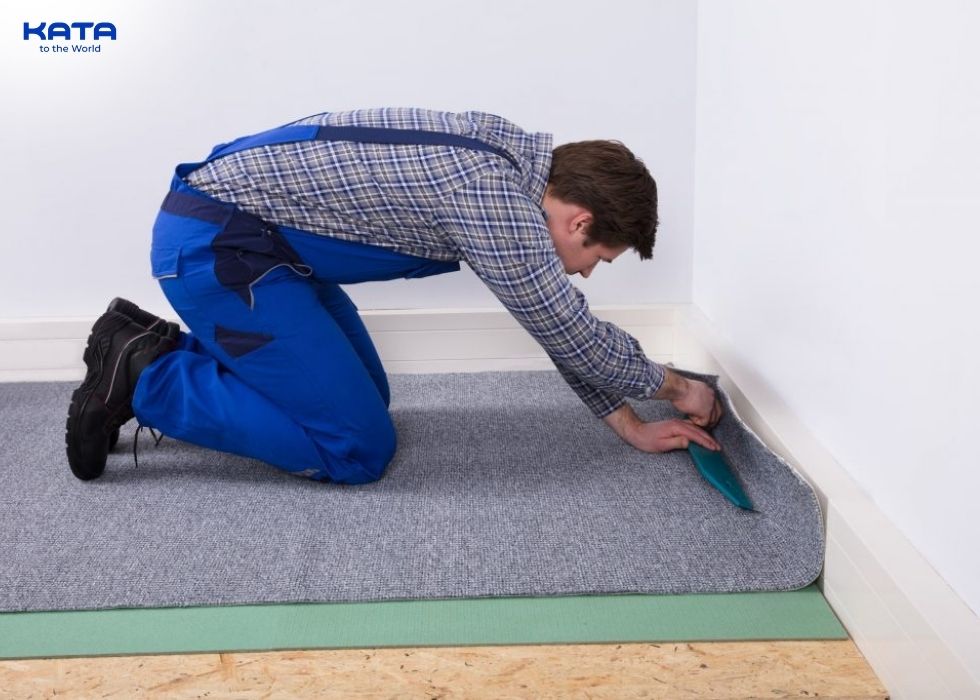
When does a berber carpet need repair?
Should I Repair My Berber Carpet Myself Or Hire A Professional?
Choosing between DIY and professional repair comes down to the severity of the damage and your confidence in handling carpet repairs. If you’re dealing with minor issues like small snags, light stains, or tiny holes, you can often fix them yourself with the right tools and a bit of patience. However, more complex problems—such as large rips, deep burns, or extensive unraveling—require specialized skills and equipment. In these cases, hiring a professional is the best choice to ensure a flawless repair. Professionals can seamlessly blend patches, reweave fibers, and restore your carpet without risking further damage, ultimately preserving its integrity and longevity.Other articles



COPYRIGHT 2021 © ALL RIGHT RESERVED KATAVINA


[×]
REGISTER AGENT
We will contact you as soon as possible