Berber Carpet Vs Plush: Difference Between Two Types Of Carpets
Berber Carpet: Definition And Common Materials
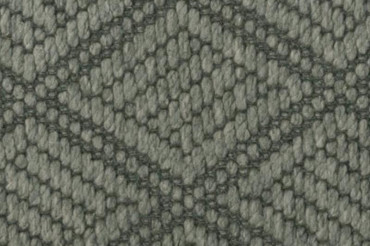
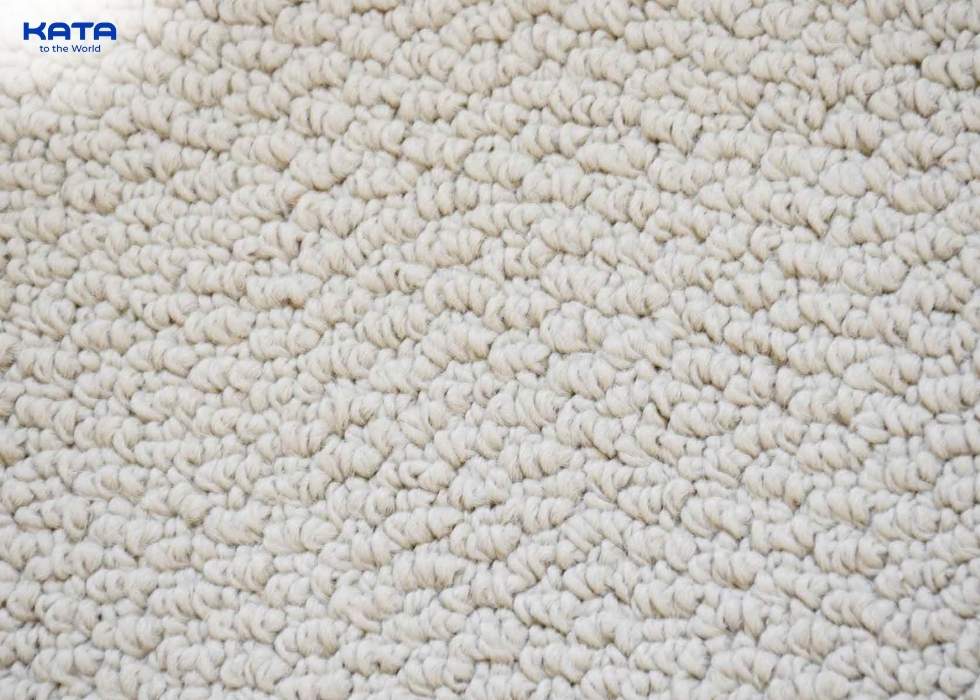
DefinitionBerber carpet is a loop-pile carpet known for its durability and distinctive flecked appearance. It originated from traditional weaving techniques used by the Berber people of North Africa. This style has evolved into modern carpets with tightly woven loops that create a firm, textured surface. Unlike cut-pile carpets, where fibers are sheared, Berber maintains its looped structure, making it highly resistant to wear and tear.
Common Materials
Berber carpets come in various materials, each with its advantages. Wool is a premium option, offering natural softness and durability. Nylon is a popular synthetic alternative, known for its resilience and stain resistance. Polyester provides a budget-friendly choice with a softer feel, while olefin (polypropylene) is commonly used for moisture resistance and affordability.

Berber carpet
Advantages And Disadvantages Of Berber Carpets
AdvantagesBerber carpets are known for their exceptional durability, making them perfect for high-traffic areas such as hallways and offices. Their looped structure effectively resists crushing and maintains a fresh appearance over time. The tight weave prevents dirt from settling deep into the fibers, making cleaning more manageable. Additionally, Berber carpets have a distinctive flecked or multi-tonal design that naturally camouflages dirt and minor stains, helping to maintain a neat and polished look even in busy households or commercial spaces.
Disadvantages
Despite its durability, berber carpet can be difficult to repair if loops become snagged, as pulling a single loop may unravel a larger section. This type of carpet tends to be firmer underfoot compared to plush carpets, making it less ideal for areas where softness and comfort are a priority. While Berber resists stains effectively, liquid spills can penetrate the loops quickly and become harder to clean if not addressed immediately, requiring prompt action to prevent long-term damage.
Advantages and disadvantages of berber carpets
Spaces Suitable For Berber Carpets
Berber carpets are an excellent choice for offices, hallways, and high-traffic areas such as living rooms and stairs due to their durability and resistance to wear. Their looped construction helps them withstand heavy foot traffic, making them ideal for homes with children and pets. Additionally, Berber carpets are easy to clean, as their tight weave prevents dirt from embedding deeply. However, they may not be the best option for bedrooms or lounging areas where a softer, more cushioned feel is desired for maximum comfort.
Suitable space for berber carpet
Plush Carpet: Definition And Common Materials
DefinitionA plush carpet is a cut-pile carpet designed for maximum softness and comfort. Unlike Berber, which retains its loops, plush carpet fibers are evenly cut to create a smooth, dense surface that feels velvety underfoot. This design provides a luxurious aesthetic and a cozy atmosphere, making it a preferred choice for bedrooms and relaxation spaces. Plush carpets enhance warmth and elegance in any room, offering a high-end look that complements a variety of interior styles while providing excellent sound absorption and insulation benefits.
Common Materials
Plush carpets are typically made from materials like wool, which provides unmatched softness and durability. Nylon is a common synthetic alternative, valued for its resilience and stain resistance. Polyester offers a more affordable option with excellent softness, while triexta, a newer synthetic fiber, provides enhanced durability and stain resistance.

Plush carpet
Advantages And Disadvantages Of Plush Carpets
AdvantagesPlush carpets offer an exceptionally soft and luxurious feel, making them perfect for areas where comfort is a top priority. Their dense fiber construction provides a warm, inviting surface underfoot, enhancing relaxation. Available in a wide range of colors and styles, plush carpets allow homeowners to customize their decor effortlessly. They also offer excellent sound absorption, reducing noise levels in bedrooms, media rooms, and other quiet spaces. Additionally, their insulating properties contribute to maintaining a cozy indoor environment, adding both style and functionality to any home.
Disadvantages
Plush carpets are more likely to show footprints and vacuum marks compared to Berber carpets, which can be a concern for those who prefer a consistently neat appearance. Their deep pile can trap dirt, dust, and allergens, making regular vacuuming essential to maintain cleanliness. While plush carpets can be quite durable, they are more susceptible to crushing in high-traffic areas, which may lead to flattened fibers over time. Proper care and maintenance are necessary to preserve their soft and luxurious feel.
=>>> Explore this article now: Loop and berber carpet

Advantages and disadvantages of plush carpets
Spaces Suitable For Plush Carpets
Plush carpets are an excellent choice for bedrooms, living rooms, and other areas where comfort and warmth are essential. Their dense, velvety texture creates a cozy and inviting atmosphere, making them perfect for spaces where relaxation is a priority. Additionally, plush carpets provide excellent sound insulation, reducing noise levels in the home. However, they are not ideal for high-traffic areas or homes with pets, as they tend to show footprints, trap dirt, and require regular maintenance to keep them looking pristine.
Suitable space for plush carpet
Key Differences Between Berber and Plush Carpets
Texture And Feel
The most noticeable difference is texture. Berber carpets have a looped structure, providing a firmer, more structured feel underfoot. This makes them highly durable but less cushioned. Plush carpets, on the other hand, have a cut-pile construction, resulting in a velvety softness that feels luxurious underfoot. While Berber carpets prioritize resilience and practicality, plush carpets focus on comfort and elegance, making them better suited for relaxation spaces like bedrooms and lounges.
Texture and feel
Durability And Maintenance
Berber carpets are highly durable and well-suited for high-traffic areas due to their tightly woven loops that resist wear. However, these loops can be prone to snagging, which may lead to damage over time. Plush carpets, in contrast, provide superior comfort with their soft, dense fibers but require more maintenance. Their deep pile tends to trap dirt, dust, and allergens, and they are more likely to show footprints and vacuum marks, making regular upkeep essential.Cost
Berber carpets tend to be more affordable due to their simple construction, with prices typically ranging from $1 to $5 per square foot for synthetic options like olefin. Higher-end Berber carpets made from wool can cost up to $10 per square foot. Plush carpets, particularly those made from premium fibers like wool or nylon, can be more expensive, ranging from $3 to $12 per square foot, depending on the material and quality.=>>> You can read more about evaluating different types of carpets

Price of 2 types of carpet
Appearance And Style
Berber carpets often feature a speckled, neutral-tone design that effectively hides stains and dirt, making them a practical choice for busy households. Their textured appearance gives a casual and versatile look suitable for various interiors. Plush carpets, in contrast, provide a rich, uniform color that enhances the elegance of any space, offering a luxurious feel. While Berber focuses on functionality, plush carpets prioritize aesthetics, making the decision dependent on your style preferences and maintenance commitment.Suitability For Different Spaces
Berber carpets are perfect for high-traffic areas such as hallways, offices, and family rooms, thanks to their durability and stain-resistant properties. Their looped construction makes them ideal for busy spaces that require long-lasting performance. Plush carpets, on the other hand, are best suited for bedrooms, formal living rooms, and cozy lounges, where their soft, velvety texture enhances comfort and elegance, creating a warm and inviting atmosphere.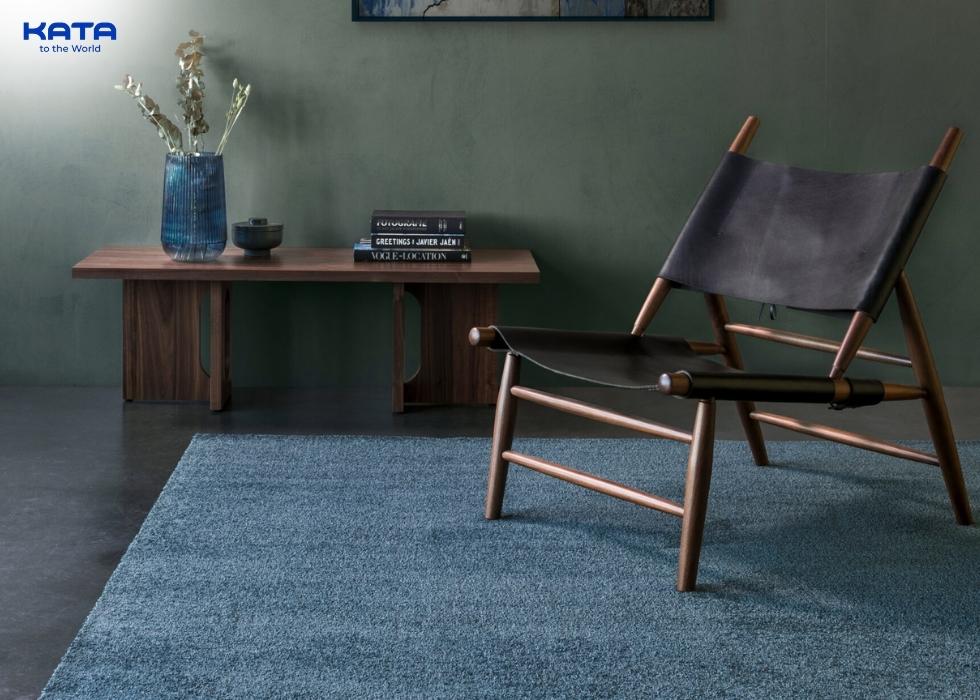
Suitable for many different spaces
Which Berber Or Plush Carpet Is Right For You?
Choosing between Berber and plush carpets depends on your lifestyle and needs. If you have a busy household with kids and pets, Berber’s durability and stain resistance make it a practical choice. If comfort and elegance are your priorities, the plush carpet will provide the soft, luxurious feel you desire. Consider factors like foot traffic, maintenance preferences, and budget before making your decision.Frequently Asked Questions
Is Berber or plush carpet better for high-traffic areas?
Berber carpet is generally better suited for high-traffic areas due to its looped construction, which resists wear and maintains its appearance over time. Plush carpet, while comfortable, is more prone to crushing and visible wear in busy spaces, making it less ideal for areas with frequent foot traffic.
Is Berber carpet cheaper than plush carpet?
In most cases, Berber carpet is more affordable than plush carpet, especially when made from synthetic materials like olefin or polyester. Plush carpet, particularly those made from premium fibers such as wool or high-quality nylon, tends to be more expensive due to its dense, cut-pile construction and softer feel.
Which carpet is better for bedrooms, Berber or plush?
Plush carpet is typically the better choice for bedrooms because of its soft, velvety texture that enhances comfort and warmth. While Berber carpet can be used in bedrooms, its firmer surface may not provide the same level of coziness that many homeowners prefer in relaxation spaces.
Other articles