




Overview Of Berber Carpets: Definition, Types And Prices
Berber carpets have long been admired for their unique looped construction, durability, and timeless appeal. Whether you're considering installing one in your home or just curious about its history and composition, this guide will provide a deep dive into everything you need to know about Berber carpets. From their origins to their cost, pros and cons, and best use cases, I'll share my insights and experiences to help you make an informed decision.
What Is A Berber Carpet?
A Berber carpet is a type of woven carpet that features looped fibers, giving it a distinctive textured appearance. Traditionally, Berber carpets were made from natural wool and had a light, flecked pattern reminiscent of traditional North African weaving techniques. Today, modern Berber carpets are available in various materials, including nylon, polyester, and olefin, catering to different needs and budgets.
what is a berber carpet?
Origin Of Berber Carpets
The origins of Berber carpets date back centuries to the indigenous Berber tribes of North Africa, who expertly wove durable textiles with intricate designs. These hand-crafted carpets, traditionally made from natural wool, utilized unique knotting techniques that increased their strength and longevity. Over time, these weaving traditions have influenced modern Berber carpets, which now combine traditional craftsmanship with synthetic materials like nylon and polyester, enhancing durability and affordability. Today, Berber carpets remain popular for their aesthetic appeal and practicality in various residential and commercial settings.
Origin of berber carpets
What Is Berber Carpet Made Of?
Berber carpets come in a variety of materials, each offering distinct benefits. Wool remains the most luxurious option, prized for its softness and natural stain resistance. Synthetic alternatives like nylon, polyester, and olefin provide affordability and enhanced stain resistance, making them popular choices for homes with pets or children. The material significantly impacts the carpet's longevity, feel and maintenance requirements.=>>> This article might interest you: How to repair berber carpet

What are berber carpets made of
Pros And Cons Of Berber Carpets
Berber carpets offer a range of advantages that make them a preferred choice for many homeowners. Their looped construction provides exceptional durability, making them resistant to wear and tear in high-traffic areas. Additionally, their low pile height minimizes the accumulation of dirt and allergens, which is ideal for allergy sufferers.However, they do have drawbacks. The looped fibers can snag if not properly cared for, and some lower-quality synthetic options may not be as comfortable underfoot as plush cut-pile carpets. Choosing a high-quality Berber carpet can mitigate these issues, but it's crucial to consider your household’s needs before making a decision.

Advantages and disadvantages of berber carpets
Types Of Berber Carpet
Wool Berber: The premium option, offering unmatched softness, natural durability, and eco-friendliness. Wool Berber carpets provide excellent insulation, helping to regulate indoor temperatures and reduce energy costs. They are also naturally stain-resistant, though they require regular maintenance to prevent matting and fiber damage.Nylon Berber: A balance between durability and affordability, nylon Berber is highly resistant to wear and stains, making it a great choice for high-traffic areas like hallways and offices. It retains its shape well and is easy to clean, though it may cost more than synthetic alternatives.
Olefin Berber: Cost-effective and stain-resistant, olefin Berber carpets are ideal for budget-conscious homeowners. They are highly resistant to moisture and mildew, making them suitable for basements and damp areas. However, they are less resilient to heavy foot traffic and may show signs of wearing more quickly than nylon or wool.
Polyester Berber: Known for its vibrant color options and plush feel, polyester Berber is a soft and visually appealing choice. It is naturally stain-resistant and more affordable than nylon or wool. However, it has a lower resilience to heavy foot traffic and may flatten over time, making it better suited for low-traffic areas like bedrooms.
Each type has its strengths, so selecting the right one depends on budget, location, and expected foot traffic. Investing in high-quality materials ensures longevity and enhances comfort and aesthetics.
=>>> This article might interest you: How to clean berber carpet

Types of berber carpet
Berber Carpet Cost Per Square Foot
Pricing for Berber carpets varies widely based on material and quality. Wool Berber carpets, being the most premium, can cost anywhere from $5 to $15 per square foot. Nylon falls in the mid-range, typically between $3 to $7 per square foot. Olefin and polyester Berbers are the most budget-friendly, often ranging from $1 to $4 per square foot. Installation costs should also be factored in, as they can add $1 to $3 per square foot to the overall expense.
Cost of berber carpet
Care and Maintenance
Keeping a Berber carpet in top condition requires consistent care. Regular vacuuming with a suction-only vacuum is crucial to prevent dirt from embedding in the loops. When spills occur, blotting with a clean cloth instead of scrubbing helps avoid permanent stains. Periodic deep cleaning using professional services or dry carpet cleaning methods ensures the carpet remains fresh and maintains its durability. High-traffic areas may require more frequent attention to preserve the carpet’s appearance.=>>> Read the latest article now: Berber vs cut pile carpet
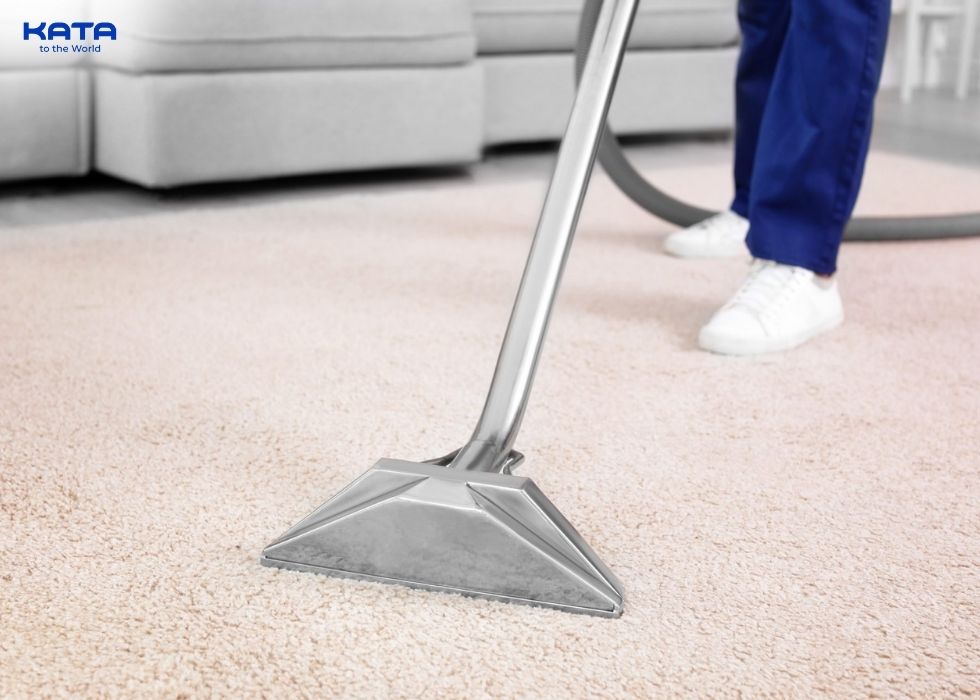
Berber carpet care and maintenance
How Long Does Berber Carpet Last?
The lifespan of a Berber carpet depends on its material and how well it's maintained. Wool Berber carpets can last 20 years or more with proper care, while nylon Berber typically lasts 10 to 15 years. Olefin and polyester varieties tend to have a shorter lifespan, around 5 to 10 years, due to their lower resilience to foot traffic. Regular cleaning and proper use can significantly extend the longevity of any Berber carpet.
Berber carpet durability
Which Areas Use Berber Carpets?
Berber carpets are highly versatile and can be installed in various areas of a home. Their durability makes them ideal for high-traffic spaces like hallways, living rooms, and offices. Many homeowners also choose them for basements due to their resistance to moisture and mildew. While they provide excellent wear resistance, they may not offer the plush comfort desired in bedrooms, where softer carpets are often preferred. Selecting the right Berber carpet type ensures longevity and comfort based on the intended space.=>>> Articles about types of carpet that may interest you

What areas use berber carpets?
Questions About Berber Carpets
1. Is berber carpet out of style?Not at all. Berber carpets remain a timeless choice due to their durability and aesthetic appeal. While trends in flooring styles fluctuate, Berber’s neutral tones and textured designs continue to complement both modern and traditional interiors. Manufacturers also offer contemporary variations that keep Berber carpets relevant in today’s market.
2. Is berber carpet good for high traffic areas?
Yes, Berber carpets are highly recommended for high-traffic areas due to their durability. Their tight loops resist wear and tear, making them durable in spaces like hallways, offices, and family rooms. Choosing a high-quality material like nylon or wool enhances longevity and performance in busy spaces.
3. Is berber carpet better than regular carpet?
It depends on your needs. Berber carpets excel in durability and low maintenance compared to traditional cut-pile carpets. However, they may not provide the same plush comfort underfoot. If longevity and stain resistance are priorities, Berber carpets are a superior option. For a softer feel, plush or frieze carpets might be a better fit.
Other articles



COPYRIGHT 2021 © ALL RIGHT RESERVED KATAVINA


[×]
REGISTER AGENT
We will contact you as soon as possible