




How To Repair Pet Damaged Carpet With 3 Solutions
Restore your carpet's beauty and extend its lifespan with our comprehensive guide on how to repair carpet damage by pets. We'll provide expert advice on tackling common pet-related issues like urine stains, pet hair removal, and even those dreaded claw marks. Say goodbye to unsightly damage and hello to a fresh, clean, and pet-friendly home.
Identifying Common Types of Pet-Related Carpet Damage
Pet owners often face the challenge of keeping their carpets looking pristine despite the presence of furry companions. Understanding the common types of pet-related carpet damage is crucial for effective prevention and repair strategies.Stains and Odors: These are perhaps the most common type of pet-related carpet damage. Urine can penetrate deep into the carpet fibers, leaving behind stubborn stains and lingering odors. Similar to urine, fecal matter can cause unsightly stains and unpleasant odors. Vomit can leave behind acidic stains that are difficult to remove, especially if not addressed promptly.
Claw Marks and Tears: Scratches: Cats, especially, have a natural instinct to scratch, which can lead to visible claw marks on carpets. Dogs and cats may dig into carpets out of boredom, anxiety, or as a natural behavior. This can result in tears and holes in the carpet.
Shedding and Matting: Excessive shedding can lead to the accumulation of pet hair in the carpet fibers, making it difficult to clean and maintain. Matting occurs when pet hair becomes tangled and compressed, creating unsightly clumps in the carpet.
Chewing and Gnawing: Puppies and young pets may chew on or gnaw at carpets, especially when teething. This can cause significant damage, including tears and holes.
Tracking in Dirt and Mud: Pets can track in dirt, mud, and other debris from outdoors, leaving behind unsightly paw prints on carpets.
=>>> Read more articles: 2 methods to repair carpet seams

Tracking in Dirt and Mud
How to Repair Minor Scratches
Minor scratches can detract from the appearance of various surfaces, but fortunately, many can be repaired with simple techniques. Here's a guide to tackling those unsightly blemishes:Step 1. Assess the Scratch
- Depth: Determine if the scratch is merely a surface scratch or penetrates deeper into the material.
- Material: The repair method will vary depending on the surface (wood, metal, plastic)
- Clean the area: Remove any dirt, grease, or residue with a mild cleaner and a clean cloth.
- Sand (if necessary): For deeper scratches, sand the area gently in the direction of the grain (for wood) or in a circular motion (for other materials). Use progressively finer grits to smooth the surface.
- Apply filler: Use a putty knife or applicator to fill the scratch with the appropriate filler.
- Smooth and level: Remove excess filler and ensure smooth and even surface.
- Allow to dry: Follow the filler's drying instructions.
- Sand again: Once the filler is dry, sand the area lightly with fine-grit sandpaper to smooth any imperfections.
- Polish: Use a polishing compound or wax to restore shine and protect the repaired area.
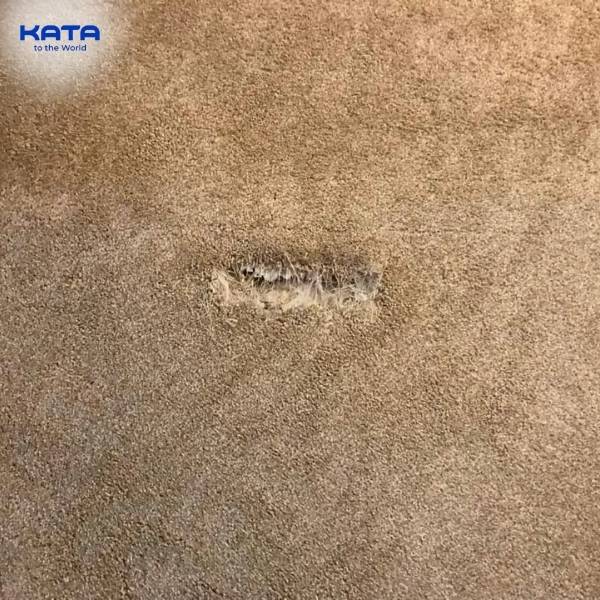
Repair Minor Scratches
Repairing Deep Tears
Repairing Small Tears
For minor tears, the following steps can be effective:- Clean the Area: Thoroughly clean the torn edges to remove any dirt or debris that could hinder adhesion.
- Apply Adhesive: Use a carpet adhesive specifically designed for repairs. Apply a thin, even layer to both edges of the tear.
- Press and Secure: Carefully align the torn edges and press them firmly together. You can use heavy objects to weigh down the area and ensure a strong bond.
- Allow to Dry: Leave the repaired area undisturbed for the recommended drying time specified by the adhesive manufacturer.
Larger tears often require a more involved approach
- Cut Out the Damaged Section: Carefully cut out the damaged section of the carpet, ensuring clean, straight edges.
- Create a Patch: Cut a matching piece of carpet from an inconspicuous area, such as a closet or under furniture.
- Apply Adhesive: Apply carpet adhesive to the edges of the hole and the back of the patch.
- Position and Secure: Carefully position the patch over the hole and press firmly into place. Use a roller or heavy objects to ensure proper adhesion.
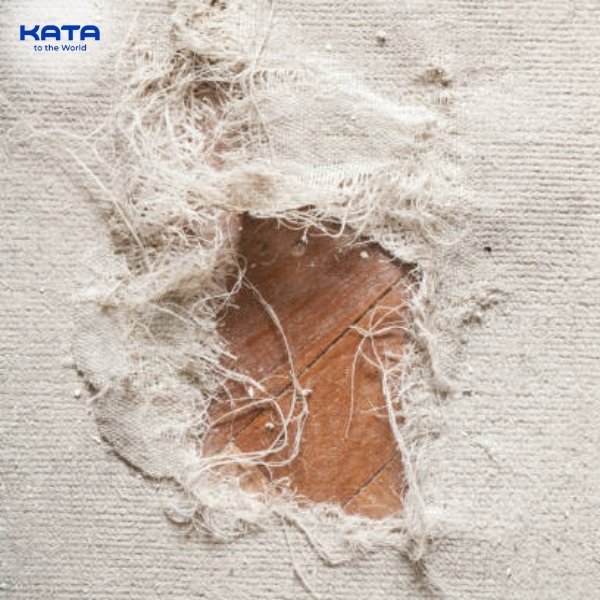
Deep carpet tear
Treating Stains and Odors Left by Pets
Step 1. Act Quickly: The key to successful stain removal is prompt action. The longer a stain sits, the deeper it penetrates the carpet fibers, making it harder to eliminate.Step 2. Blot, Don't Rub: Avoid rubbing the stain, as this can push it deeper into the carpet. Instead, gently blot the area with a clean, absorbent cloth.
Step 3. Choose the Right Cleaner: Enzymatic Cleaners: These are highly effective at breaking down organic matter like urine, feces, and vomit. They contain enzymes that digest the source of the odor, eliminating it from the root. Commercial Cleaners: Many commercial pet stain and odor removers are available. Choose a product specifically designed for carpets and follow the instructions carefully.
Step 4. Thoroughly Clean the Area: After applying the cleaning solution, allow it to sit for the recommended time. Then, blot the area again with a clean cloth to remove excess moisture.
Step 5. Deodorize: To eliminate lingering odors, sprinkle baking soda over the treated area. Let it sit for several hours or overnight, then vacuum thoroughly.
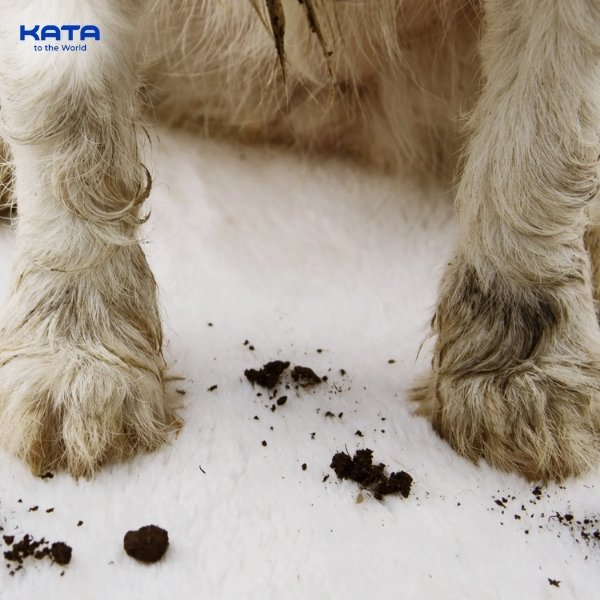
How to fix carpet torn up by dog
Preventing Future Carpet Damage by Pets
Pet-proofing your carpets can save you time, money, and frustration in the long run. Here are some proactive steps to minimize damage:Regular Grooming: Consistent grooming is crucial. Regular brushing removes loose fur and prevents it from matting into the carpet fibers. This reduces shedding and minimizes the risk of hairballs.
Provide Scratching Posts: Cats have a natural instinct to scratch. Provide sturdy scratching posts strategically placed around the house to deter them from clawing at carpets and furniture.
Create Designated Play Areas: Designate specific areas for your pets to play in, such as a designated playroom or a non-carpeted area. This helps confine the wear and tear to a smaller space.
Invest in Protective Measures: Consider using carpet protectors in high-traffic areas, especially near pet feeding and watering stations. These can help to repel stains and reduce the impact of wear and tear.
Train Your Pet: Positive reinforcement training can help to discourage unwanted behaviors, such as chewing on carpets or digging.
Regular Inspections: Regularly inspect your carpets for signs of wear and tear, such as stains, holes, and matting. Addressing small issues promptly can prevent them from worsening.
Other articles


COPYRIGHT 2021 © ALL RIGHT RESERVED KATAVINA


[×]
REGISTER AGENT
We will contact you as soon as possible