Carpet Lifespan with Pets: How to Choose The Right Flooring
Average Lifespan of Carpet with Pets
The average lifespan of carpet with pets is significantly shorter than without. While high-quality carpets can last up to 15 years in homes without pets, those with furry companions often see their carpets wear out in 5 to 7 years.

Average lifespan of carpets and pets
Factors Affecting Carpet Lifespan with Pets
Pet Type
Pet type significantly influences how long your carpets will last. High-shedding breeds like German Shepherds and Golden Retrievers constantly shed hair, which accumulates on carpets, making them look dull and dingy. This constant shedding can also accelerate wear and tear as hair can trap dirt and moisture, leading to premature deterioration of the carpet fibers.
Short-haired breeds like Labradors and Beagles may shed less, but they produce dander, which can be a significant allergen. While less obvious than hair, dander can settle into carpet fibers, making them appear dingy and potentially causing respiratory issues in some individuals. Additionally, these active breeds are prone to scratching, which can damage carpet fibers and create unsightly holes.
Long-haired breeds such as Poodles and Shih Tzus require frequent grooming to prevent matting. Mats can trap dirt, moisture, and even urine, leading to staining and odor issues. These breeds can also be prone to drooling, which can stain carpets if not cleaned up promptly.
Large breeds like Great Danes and Mastiffs exert more pressure on carpets due to their weight. Their heavy paws and claws can cause significant wear and tear, leading to indentations and premature thinning of the carpet fibers.
=>>> You may be interested in: How to repair carpet damage by pets
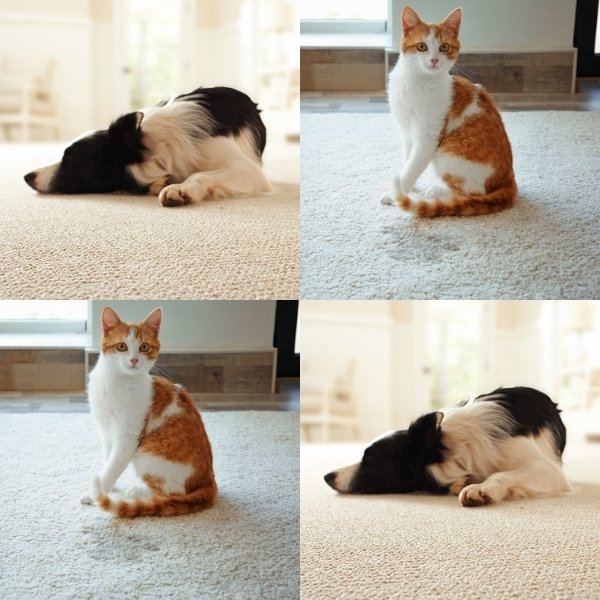
Types of pets in the house
Pet Habits
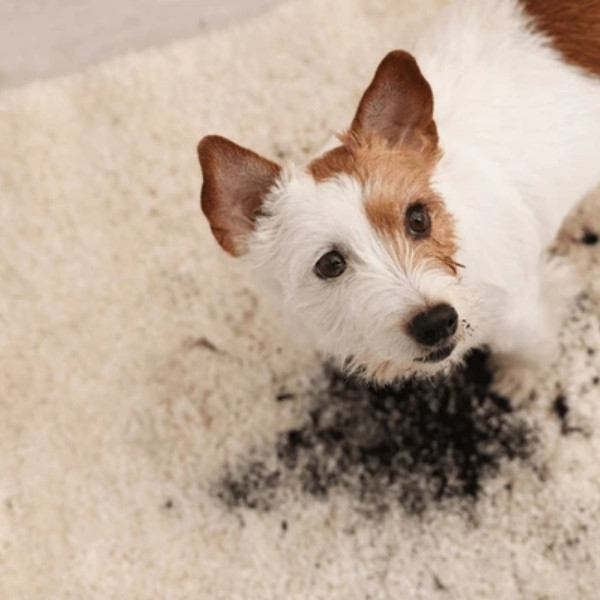
Pet habits significantly impact carpet longevity. Accidents, such as urine, feces, and vomit, can permanently stain and damage carpet fibers. These substances can penetrate deep into the carpet backing, causing discoloration, odor issues, and even structural damage.
Scratching is another common behavior that can wreak havoc on carpets. Pets, particularly cats, may scratch to mark territory or simply to stretch. This can result in frayed fibers, snags, and even holes in the carpet. To minimize scratching, provide alternative scratching posts or pads. Encourage scratching on these designated areas by placing catnip on them and trimming your pet's claws regularly.
Chewing, while less common, can also cause significant damage. Some pets, especially puppies and dogs experiencing anxiety, may chew on carpet edges or corners. This can create unsightly holes and fraying. To prevent chewing, ensure your pet has plenty of appropriate chew toys and redirect chewing behavior to these toys.
Pet Habits
Carpet Type
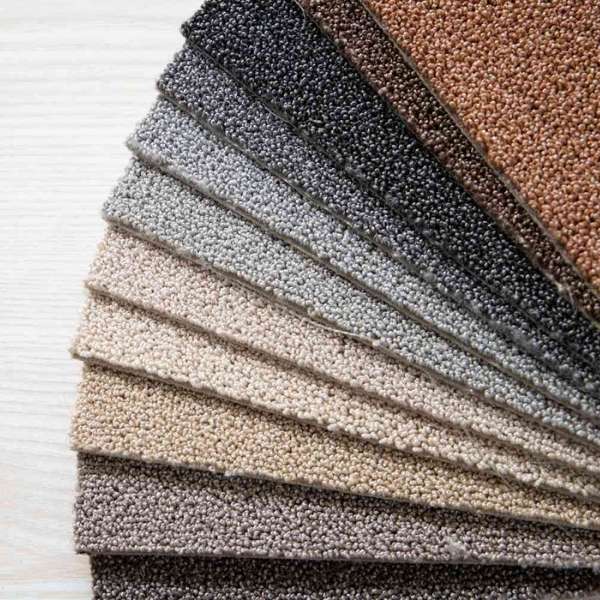
Durability: Different carpet fibers offer varying levels of durability. Nylon is a popular choice for pet owners due to its strength and resilience. It's stain-resistant and resists crushing, making it ideal for high-traffic areas. Wool is another durable option, known for its natural stain resistance and resilience. However, it can be more expensive than synthetic fibers. Polyester is a budget-friendly option that is relatively stain-resistant and durable, but it may not be as resilient as nylon or wool.
Stain Resistance: Stain-resistant treatments can significantly extend carpet life with pets. These treatments create a barrier that repels liquids, making it easier to clean up accidents and prevent stains from setting in. Look for carpets with reputable stain-resistant treatments like Teflon or Scotchgard.
Pile Height: Low-pile carpets are generally more durable and easier to clean than high-pile carpets. High-pile carpets can trap pet hair and debris more easily, making them more prone to matting and staining. They are also more susceptible to damage from scratching and chewing.
=>>> Read more new articles from KATAmats: How to make carpet fluffy again
Different types of carpets
Cleaning Habits
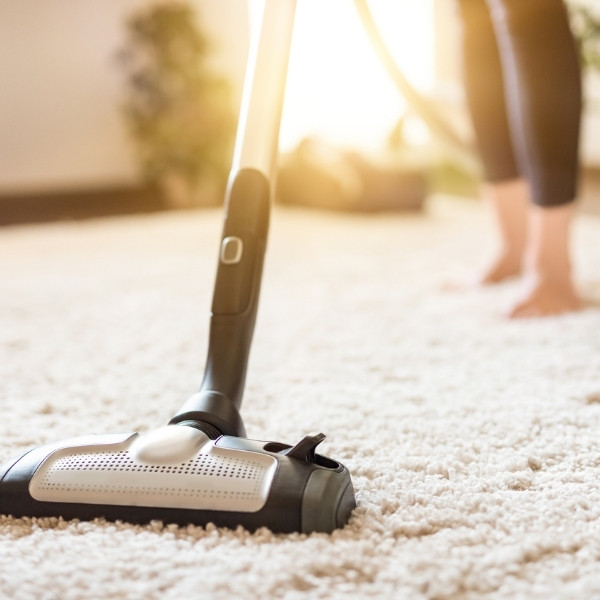
Regular Vacuuming: Frequent vacuuming is essential to remove pet hair and dander. Pet hair can quickly mat down carpet fibers, trapping dirt and moisture, which can lead to premature wear and tear. Invest in a vacuum with strong suction and specialized pet hair attachments. Aim to vacuum high-traffic areas daily and the entire carpeted space at least twice a week.
Spot Cleaning: Accidents are inevitable with pets. Prompt spot cleaning is crucial to prevent stains from setting. Blot up spills immediately with a clean absorbent cloth. Use a pet-safe cleaning solution or a mixture of white vinegar and water to remove stains. Avoid harsh chemicals that can damage carpet fibers. For tougher stains, consider using an enzyme cleaner designed to break down organic matter like urine and feces.
Professional Cleaning: Regular professional carpet cleaning is highly recommended for pet owners. Deep cleaning removes deeply embedded dirt, grime, and pet odors that regular vacuuming cannot reach. Professional cleaners have specialized equipment and techniques to effectively remove stains and sanitize carpets. Schedule professional cleanings at least twice a year, or more frequently if needed.
=>>> Read now: How to repair a bleach stain on carpet
Carpet cleaning and management
Choosing Pet-Friendly Carpeting
Selecting the right carpet can significantly impact its longevity with pets. Prioritize durability and stain resistance to withstand the inevitable wear and tear. Nylon is a popular choice known for its exceptional strength, resilience, and stain resistance. Polypropylene is another excellent option, boasting excellent stain resistance, durability, and affordability.

Pet-safe mats
Pile height plays a crucial role in pet-friendly carpets. Low-pile carpets are generally easier to clean as pet hair and debris are less likely to get trapped within the fibers. They also minimize matting, a common issue with long-haired pets. While plush carpets may feel luxurious, they are more susceptible to matting, staining, and showing wear and tear from pet activity.
When it comes to color, darker shades are your best friend. Darker colors like brown, gray, or even deep green effectively conceal pet hair, stains, and minor accidents, making them less noticeable. Lighter colors, on the other hand, will show every paw print, scratch, and spill, requiring more frequent cleaning.
=>>> Related Articles:
How long does carpet last and 6 signs to replace it
Other articles