




How To Measure For Carpet: From Measurement Unit To Calculate The Area
Accurately measuring your space is crucial before purchasing a carpet. After reading a simple 5-step process, you’ll know how to measure for carpet, including identifying common carpet measurement units to ensure you get the right amount of carpet.
What’ll you need?
Equipments
Before you embark on your carpet measuring journey, gather the necessary tools:
- Tape Measure: A reliable measuring tape (preferably 25 feet or longer) is essential for accurate measurements.
- Calculator: A calculator will come in handy for quickly calculating areas and determining the total square footage.
- Pencil and Paper: Jot down all your measurements and calculations neatly to avoid confusion.

Preparation tools
Materials
You might also want to have a notepad, graph paper (optional), and a camera on hand to document the room and any unique features.Carpet Measurement Unit
Carpet Sizes In Cm
While less common for overall carpet dimensions, centimeters (cm) are often used for smaller details like carpet borders or specific areas within a larger installation. This level of precision can be crucial for achieving a clean and professional finish.Carpet Sizes In Feet
In many countries, feet remain the standard unit for carpet measurement. This is particularly true in regions where the imperial system is still widely used. When dealing with carpet measurement units in feet, it's important to accurately measure both length and width to determine the total square footage.Carpet Sizes In Inches
Inches are frequently used for more detailed carpet measurements, such as the thickness of carpet padding or the size of individual carpet tiles. While not typically used for the overall dimensions of a room-sized carpet, inch measurements can be valuable for specific installation details.=>>> Related Articles: Overview of standard carpet sizes
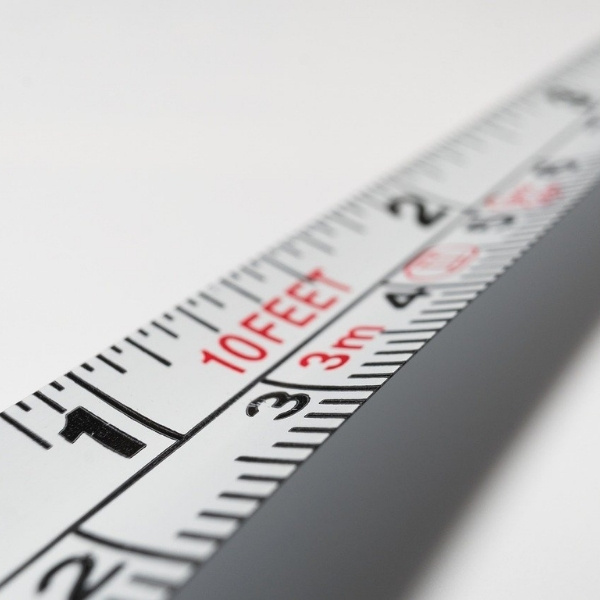
Carpet Measurement Unit
How to measure a carpet for a room
Measure the Length and Width of the Room
Find the Longest Wall: Determine the longest wall in the room and measure its length from corner to corner.
Measure the Width: Measure the width of the room perpendicular to the length.
Record Measurements: Note down the length and width in feet and inches, or in meters.
Check for Irregularities:
Measure the Width: Measure the width of the room perpendicular to the length.
Record Measurements: Note down the length and width in feet and inches, or in meters.
Check for Irregularities:
- Check for square corners: Use a carpenter's square to ensure the corners of the room are 90 degrees.
- Identify any protrusions: Measure around any protrusions like fireplaces, radiators, or built-in cabinets.
- Note any obstacles: Take note of any obstacles like doorways, stairs, or columns that may affect the carpet installation.
Measure Interior Spaces Individually
Divide the room: If your room has multiple areas with different carpet needs (e.g., a bedroom with a walk-in closet), measure each area separately.
Measure length and width: Use a measuring tape to accurately measure the length and width of each area.
Account for obstacles: Carefully measure around any obstacles such as:
Tips for Accurate Carpet Measurements:

Measure all types of space
Measure length and width: Use a measuring tape to accurately measure the length and width of each area.
Account for obstacles: Carefully measure around any obstacles such as:
- Furniture: Measure the space you need to cover, even if the furniture will be placed on top of the carpet.
- Doors and windows: Measure the space around doors and windows, ensuring the carpet will fit properly.
- Fireplaces and radiators: Measure the space around these features to ensure proper installation.
Tips for Accurate Carpet Measurements:
- Use a measuring wheel: For larger areas, a measuring wheel can save time and effort.
- Measure twice, cut once: Double-check all measurements to avoid errors.
- Draw a floor plan: Create a simple floor plan of the room, including all measurements and obstacles. This will help you visualize the carpet installation and ensure you have accurate measurements.
- Consult a professional: If you are unsure about any aspect of the measurement process, consult with a professional carpet installer. They have the expertise and experience to accurately measure your space and ensure a successful installation.
Measure all types of space
Make Split Measurements for Oddly Shaped Rooms
Divide and Conquer: Break down the room into smaller, more manageable shapes. This could involve rectangles, squares, and even triangles.Add Up the Areas: Once you've determined the area of each section, add them together to get the total square footage of the room.
Account for Overlap: If there's any overlap between the sections (where the shapes intersect), make sure to subtract the overlapping area to avoid double-counting.
Add Seam Allowance: Factor in seam allowance for the seams where the carpet pieces will be joined. This usually adds a small percentage to the total square footage.
Calculate Carpet Area
Rectangular or Square Rooms
Formula:Area = Length x Width
Example:
If a room is 12 feet long and 10 feet wide:
Area = 12 feet x 10 feet = 120 square feet
=>>> Related Articles: Complete guide to perfect carpet choices

Cases of calculating carpet area
Triangular Rooms
Formula:Area = (Base x Height) / 2
Where:
- Base is the length of the triangle's base
- Height is the perpendicular distance from the base to the opposite vertex
If a triangular room has a base of 8 feet and a height of 6 feet:
Area = (8 feet x 6 feet) / 2 = 24 square feet
Curved or Rounded Portions of a Room
This calculation is more complex and involves several steps:
- Divide the curve depth by 2: This gives you the initial radius value.
- Square the curve width: This calculates the area of a square with the same width as the curve.
- Multiply the curve depth by 8: This step likely involves a factor specific to the shape of the curve.
- Divide the result from step 2 by the result from step 3: This calculates a ratio used to adjust the initial radius.
- Add the result from step 1 to the result from step 4: This calculates the adjusted radius of the curve.
- Square the radius (from step 5): This calculates the area of a circle with the adjusted radius.
- Multiply the result from step 6 by π (3.14): This calculates the circumference of the circle.
- Divide the result from step 7 by 2: This finally calculates the area of the curved portion.
Other articles



COPYRIGHT 2021 © ALL RIGHT RESERVED KATAVINA


[×]
REGISTER AGENT
We will contact you as soon as possible