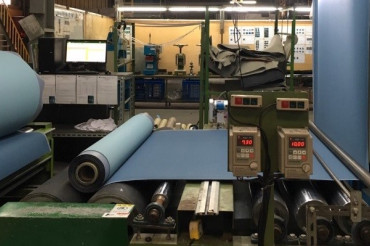
Tips For Perfect Carpet Selections From Houses to Industrial Settings
Are you struggling to select the right carpet for each space? With so many options from materials and colors to thickness and size on the market, it can be overwhelming to make an informed decision. This guide will help you know how to choose carpets suitable for specific spaces.
Factors affecting the carpet selections
Materials
The material of your industrial roll mat is a critical factor influencing its performance and longevity. Each material offers unique advantages and is best suited for specific applications.
Knowing how to choose carpets with the right materials not only brings comfort to users but also ensures safety, especially in specific spaces like workplaces, industrial settings and outdoors. There are some suitable materials for carpet selection: PVC, Rubber, Nylon,....
Color
Choosing carpet color not only creates attractive visuals but also provides safety in working spaces. The color of your industrial roll mat is more than just a visual element; it's a powerful tool that can shape the overall impression of your business. A well-chosen color can create a professional, clean, and inviting atmosphere, reflecting your brand identity and leaving a lasting impression on visitors and employees alike.
Knowing how to choose carpet color plays a crucial role in enhancing safety and visibility within your industrial space. High-visibility colors like bright yellow or orange are ideal for high-traffic areas, as they contrast well with darker floors and draw attention to potential hazards. This increased visibility can help prevent accidents and injuries. In dimly lit areas, lighter colors like white or light grey can significantly improve visibility. These colors reflect light more effectively, making it easier to navigate and identify obstacles, even in low-light conditions.
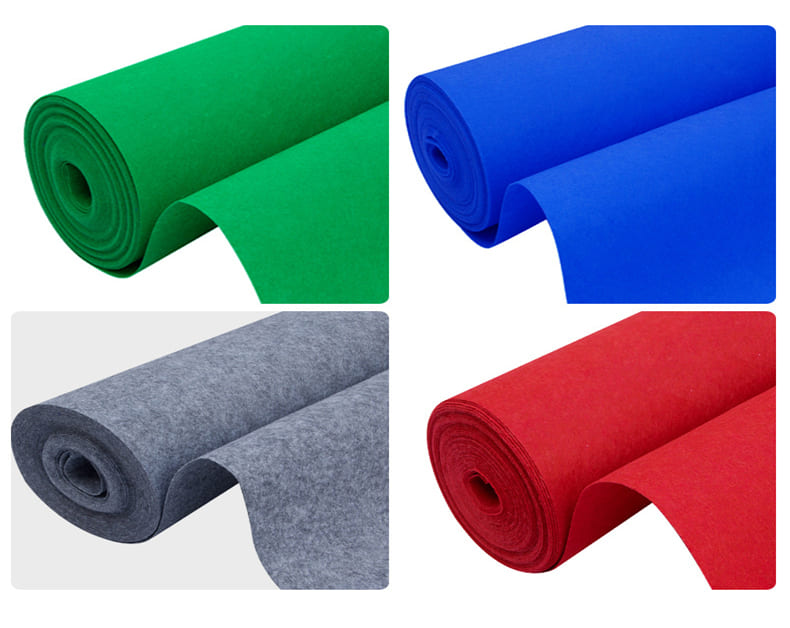
Carpet color selection criteria
Size
If you know how to choose the right carpet size, you can enhance the cleanliness and safety of your facility while creating a positive first impression on visitors and employees alike. The carpet should be wide enough to cover the entire doorway, ensuring that all incoming foot traffic encounters the mat's cleaning surface.
Consider the layout of your entranceway and place the mat at an optimal distance from the door to maximize its effectiveness. For high-traffic areas, a larger mat is essential to handle the increased footfall and prevent dirt and moisture from spreading. Conversely, smaller mats may suffice for low-traffic areas.
Thickness
The thickness of an industrial roll mat is a critical factor influencing its performance. Thicker mats offer superior durability, comfort, and noise reduction, making them ideal for high-traffic areas. They are more resistant to wear and tear, reducing the need for frequent replacements. Additionally, thicker mats provide enhanced cushioning, reducing foot fatigue for employees who stand for extended periods. They also excel at absorbing sound and minimizing noise pollution in the workplace.
When choosing the right thickness, consider the specific application and the level of performance required. Light-duty applications, such as offices or retail spaces, may benefit from thinner mats. Medium-duty applications, like warehouses or manufacturing facilities, may require medium-thickness mats. For high-traffic areas, such as industrial plants or construction sites, thicker mats are the best choice.
How to choose carpet for specific spaces
Household Application
When selecting an industrial roll mat for your home, a myriad of factors must be considered. These include the room's specific function, the desired aesthetic, and the level of comfort and support required. By carefully considering these factors, you can choose a carpet that not only enhances the visual appeal of your space but also promotes well-being and reduces fatigue.
Living Room
-
Materials: The material of your mat is a crucial factor. PVC and Rubber are popular choices due to their durability, slip-resistance, and ease of cleaning when regular vacuuming can remove dirt and debris. These materials can withstand heavy foot traffic, pet claws, and accidental spills.
-
Colors: Industrial roll mats come in a variety of styles and designs to complement any living room aesthetic. From minimalist to contemporary, you can find a mat that suits your personal taste. Minimalist designs often favour neutral colors and simple patterns. Contemporary styles, on the other hand, may incorporate bold colors, geometric patterns, or unique textures.
-
Thickness: A thicker mat offers superior cushioning and support, reducing fatigue during extended periods of sitting or standing. This is particularly beneficial for individuals with joint pain or those who spend a lot of time on the floor, such as children or pets.
-
Size: To maximize the visual impact of your mat, consider its placement. A larger mat can anchor the space, defining seating areas and creating a cohesive look. Smaller mats can be strategically placed in front of a fireplace or under a coffee table to add a touch of elegance and warmth.
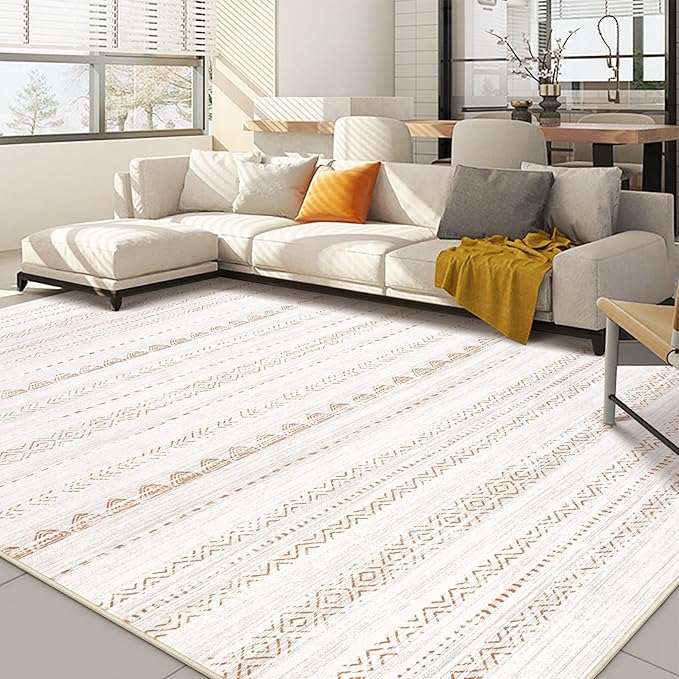
Living Room Carpet
Kitchen
-
Materials: Rubber and PVC are popular choices due to their durability, slip-resistance, and ease of cleaning. These materials can withstand the rigors of daily kitchen use, including spills, grease, and heavy foot traffic.
-
Thickness: A thicker mat offers superior cushioning and support, reducing fatigue and discomfort during extended periods of standing. This is particularly beneficial for individuals who spend long hours in the kitchen, such as professional chefs or home cooks.
-
Size: The size of the mat should be carefully selected to accommodate your kitchen's specific layout and needs. It's essential to ensure the mat covers high-traffic areas, such as in front of the sink, stove, and refrigerator.
-
Drainage is another vital feature to look for in an industrial roll mat. Mats with drainage holes can help prevent water accumulation, reducing the risk of slips and falls. This is especially important in wet areas like near the sink or dishwasher.
-
Anti-fatigue properties can provide additional comfort and support. These mats are designed to alleviate stress on the joints and muscles, reducing the risk of injuries and improving overall well-being.
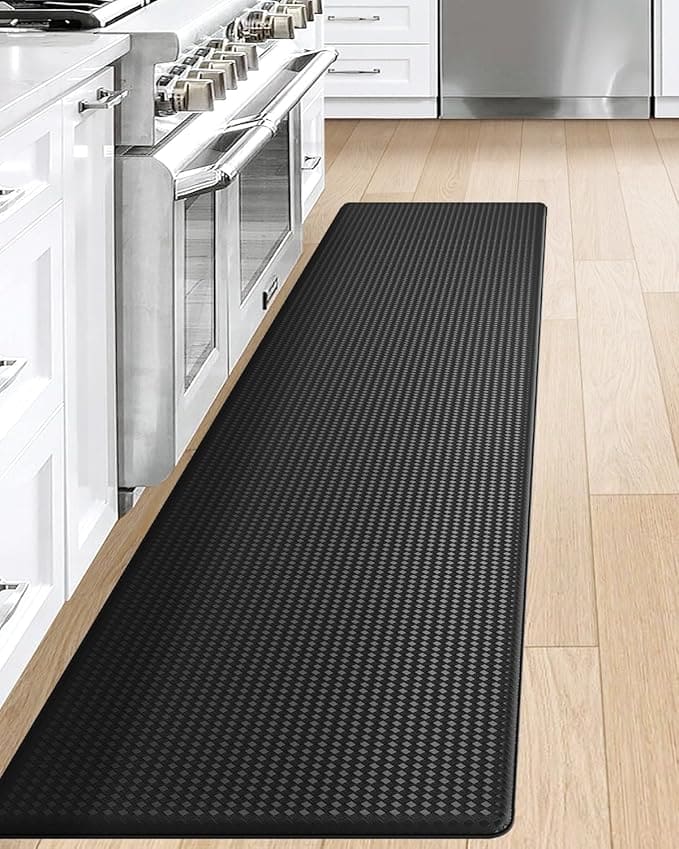
Kitchen Carpet Picture
Bedroom
-
Materials: The bedroom, a sanctuary of rest and rejuvenation, calls for a mat that promotes relaxation and comfort. A soft, plush material like shag or sheepskin can create a cosy and inviting atmosphere.
-
Colors: Neutral or calming colors, such as light blue or lavender, can evoke a sense of tranquillity.
-
Thickness: A medium-thickness mat, ranging from 3/8 to 1/2 inch, is suitable for most bedrooms. A thicker mat can provide additional warmth and comfort during colder months.
Size: Place a mat beside your bed to provide a soft surface to step onto in the morning, and consider a smaller mat at the foot of the bed to complete the ensemble.
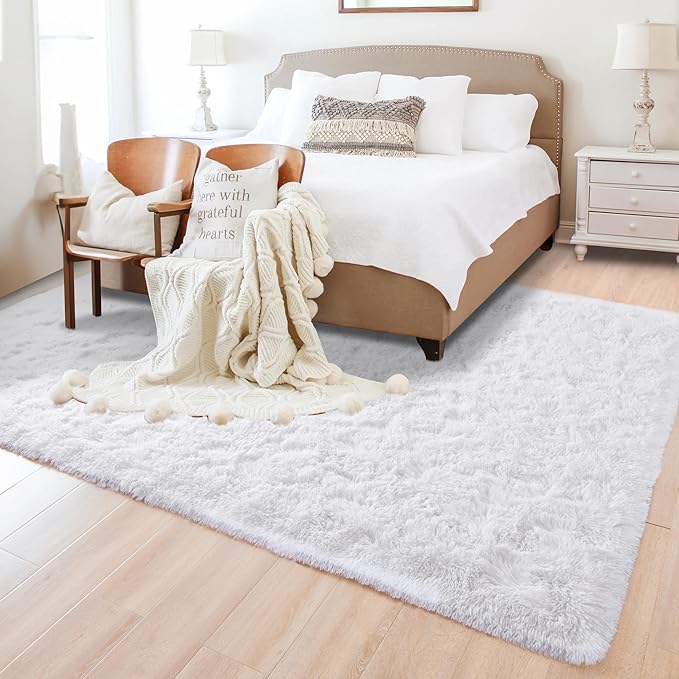
Bedroom Carpet
Workspaces
Industrial roll mats are an essential investment for any workspace, offering numerous benefits such as fatigue reduction, slip resistance, and noise reduction. When selecting the right carpet, several factors need to be considered to ensure optimal performance and employee comfort
-
Materials: The choice of material significantly impacts the performance and durability of industrial roll mats. Here are some popular options:
-
Rubber: Known for its excellent slip resistance, durability, and resilience, rubber mats are ideal for high-traffic areas and environments with potential spills or moisture. They are also effective in reducing noise levels.
-
PVC: Polyvinyl chloride (PVC) mats are a versatile and cost-effective option. They offer good slip resistance, and durability, and are easy to clean. PVC mats are suitable for various workspaces, including offices, warehouses, and workshops.
-
Anti-Fatigue Mats: Specifically designed to alleviate fatigue and discomfort, anti-fatigue mats typically feature a cushioned surface. They can be made from various materials, including rubber, PVC, and polyurethane.
-
Thickness: Thicker mats generally provide better cushioning and fatigue reduction, while thinner mats are more portable and easier to clean. Option for a thick carpet that balances comfort and practicality. Thicker mats (around 1/2 inch or more) are ideal for high-traffic areas and standing workstations. Thinner mats (around 1/4 inch) are suitable for general-purpose use.
-
Size: It’s sufficient if you know how to choose the right carpet size to cover the entire work area. Consider the dimensions of workstations, aisles, and walkways to determine the appropriate size.
-
Color and Branding
-
Brand Colors: Incorporate your company's brand colors into the mat design to reinforce brand identity and create a cohesive workspace.
-
Safety Colors: Use high-visibility colors like yellow or orange to highlight potential hazards or draw attention to specific areas.
- Neutral Colors: Neutral colors like gray or black can provide a clean and professional look, blending seamlessly with various interior designs
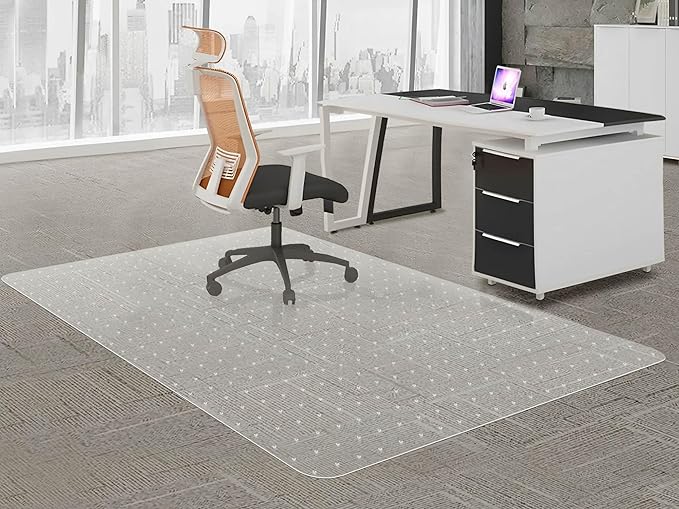
Office Carpet
Industrial Settings
Industrial roll mats provide important protection for floors, equipment, and personnel, especially in demanding industrial environments. Selecting the appropriate industrial roll mat involves considering several factors to ensure optimal performance and longevity.
- Materials: The choice of material significantly impacts the mat's durability, and resistance to chemicals, oils, and temperature extremes. Common materials used in industrial roll mats include:
-
Rubber: Known for its exceptional durability and resistance to oils, grease, and chemicals. Rubber mats are ideal for heavy-duty applications in workshops, garages, and manufacturing facilities.
-
PVC: Offers a good balance of durability, flexibility, and chemical resistance. PVC mats are suitable for a wide range of industrial settings, including cleanrooms, laboratories, and food processing plants.
-
Nitrile Rubber: Highly resistant to oils, grease, and chemicals, making it perfect for environments with exposure to harsh substances. Nitrile rubber mats are commonly used in automotive, aerospace, and chemical industries.
-
Polyurethane: Provides excellent abrasion resistance, flexibility, and chemical resistance. Polyurethane mats are suitable for applications requiring high levels of durability and hygiene, such as food processing and healthcare facilities.
-
Thickness & Size: The thickness of the mat determines its cushioning properties, durability, and ability to absorb impact. Thicker mats offer superior comfort and protection, while thinner mats are more suitable for areas with heavy foot traffic. The size of the mat should be carefully considered to ensure adequate coverage of the desired area.
- Colors: Knowing how to choose carpet color can make it more appeal and safety. High-visibility colors like yellow and black can be used to delineate walkways or hazardous areas. Customization options, such as adding company logos or safety messages, can further enhance the mat's functionality and branding.
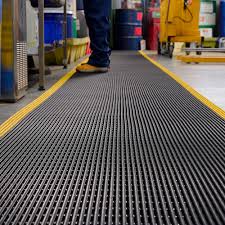
Heavy-duty Carpet
Outdoor Areas
When selecting carpets for outdoor applications, several factors must be considered to ensure optimal performance and longevity. Key considerations include material choice, thickness, size, color, and specific features like weather resistance, drainage, and slip resistance.
-
Material Selection: Rubber and PVC are popular options due to their durability and resistance to harsh weather conditions.
-
Rubber Mats: These offer excellent durability, flexibility, and slip resistance, making them ideal for high-traffic areas exposed to rain, snow, and temperature fluctuations.
-
PVC Mats: PVC mats are lightweight, easy to clean, and resistant to chemicals and UV rays. They are well-suited for outdoor environments where aesthetic appeal is important.
-
Thickness and Size: The thickness of the mat determines its durability and cushioning properties. For outdoor applications, a thicker mat is generally recommended to withstand heavy foot traffic and protect the underlying surface. The size of the mat should be carefully chosen to accommodate the specific area and prevent tripping hazards.
-
Color and Design: While color may seem like a minor consideration, it can significantly impact the overall appearance and functionality of the mat. So, it’s essential to choose the right carpet color. Darker colors, such as black or brown, can help hide dirt and grime, making maintenance easier. Additionally, a textured surface can enhance slip resistance, especially in wet conditions.
-
Weather Resistance and Drainage: Outdoor mats must be able to withstand exposure to various weather conditions, including rain, snow, and extreme temperatures. Look for mats with UV stabilizers to prevent fading and degradation. Drainage holes or channels are essential to prevent water buildup and ensure safety.
-
Slip Resistance: Slip resistance is paramount for outdoor mats, especially in wet or icy conditions. Choose mats with a textured surface or a non-slip coating to minimize the risk of accidents.
Other articles