




The 6-Step Process To Manufacture A Carpet
Get a behind-the-scenes look at how your custom carpet is made. From design to delivery, we'll walk you through every step of the manufacturing process to ensure you get the perfect product for your needs.
Material Preparation
Material preparation is a critical step in many carpet manufacturing and construction processes. It involves the selection, cleaning, and treatment of raw materials to ensure they meet specific quality standards and are ready for further processing.
Common Raw Materials
The specific raw materials used will vary depending on the industry and the final product. However, some common materials include:
-
Rubber: Natural and synthetic rubber are known for their good balance of properties, including strength, flexibility, and resistance to oil and heat
-
Plastics: Polyethylene, polypropylene, PVC, and nylon are versatile materials used in countless applications.
-
Textiles: Cotton, wool, silk, and synthetic fibres are used to produce carpets.
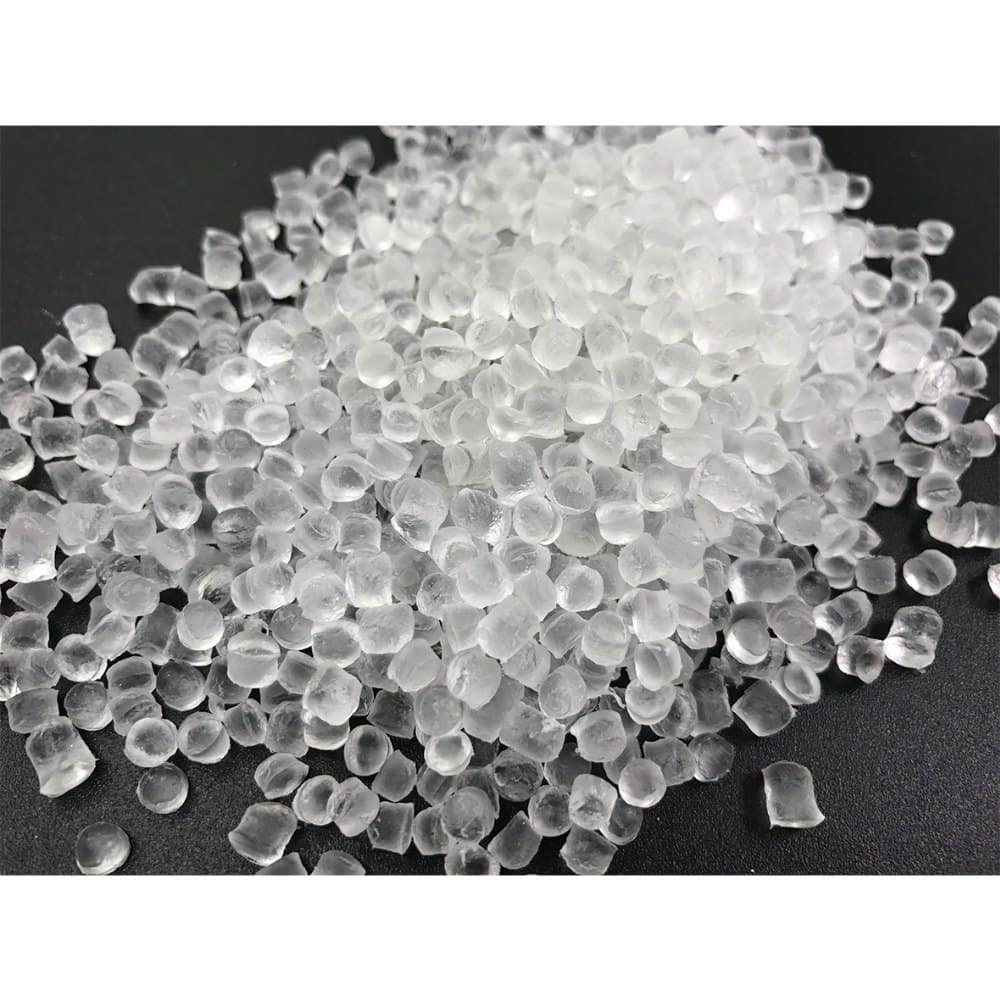
PVC Raw Material
The Preparation Process
Once the appropriate raw materials have been selected, they undergo a series of preparation steps:
-
Cleaning: Raw materials often contain impurities, such as dirt, dust, or chemical residues. Cleaning processes, such as washing, scrubbing, or chemical treatments, are used to remove these contaminants.
-
Drying: Moisture can adversely affect the properties of many materials. Drying techniques, such as air drying, oven drying, or vacuum drying, are employed to remove excess moisture.
-
Chemical Treatment: In some cases, chemical treatments are necessary to enhance the properties of raw materials. These treatments may involve processes like acid pickling, alkaline cleaning, or surface coating.
Mat Formation
The formation of mats involves a series of processes that transform raw materials into functional floor coverings. The specific techniques employed depend on the desired properties of the mat and the materials used.
Extrusion
This carpet manufacturing process is commonly used for materials like PVC and rubber. The raw material is first melted into a liquid state. It is then forced through a die, a shaped opening, to form a continuous sheet or profile. The shape and size of the die determine the final shape of the extruded material. This method is efficient for producing mats of consistent thickness and shape.
Calendering
Calendering is a process that involves passing the material between heated rollers to produce a sheet of uniform thickness. This technique is often used for materials like rubber and PVC. By adjusting the temperature, pressure, and speed of the rollers, manufacturers can control the thickness, texture, and surface finish of the mat.
Weaving or Knitting
Textile-based mats, such as those made from cotton, wool, or synthetic fibres, are often produced through weaving or knitting. Weaving involves interlacing two sets of threads, the warp and weft, to create a fabric. Knitting, on the other hand, involves looping yarn together to form a fabric. Both techniques can be used to create a wide variety of mat designs, from simple, flat mats to complex, textured rugs in carpet manufacturing.

Roll Mat Weaving Machine
Layering
To create thicker, more durable mats, multiple layers of material may be combined. This layering technology can enhance the mat's insulation properties, sound absorption, and overall performance. The layers may be bonded together using adhesives, heat, or other techniques.
Roll Mat Cutting and Shaping
When the mat rolls have been formed to their desired thickness and density, the final stages of production involve shaping and cutting them into the desired dimensions. These processes are essential to ensuring the mat meets specific performance requirements and customer specifications.
Cutting
Cutting the mat to the correct size and shape is a crucial step in the carpet manufacturing process. Specialized cutting machines are employed to achieve precise and efficient cuts. These machines can handle various mat materials and thicknesses, ensuring accurate dimensions and clean edges.
Here are common cutting techniques:
-
Blade Cutting: Traditional blade cutting involves using sharp blades to slice through the mat material. This technique is suitable for most mat materials and can produce clean cuts.
-
Waterjet Cutting: Waterjet cutting utilizes a high-pressure stream of water to cut through the material which is highly precise and can cut complex shapes with ease.
-
Laser Cutting: Laser cutting employs a focused laser beam to vaporize the material, resulting in clean, precise cuts. This technique in carpet manufacturing is ideal for cutting intricate designs and patterns.
Shaping
While many roll mats are produced in standard shapes, some applications require custom shapes and contours. Shaping processes allow manufacturers to tailor mats to specific needs, such as fitting around obstacles or conforming to curved surfaces.
Below are common shaping techniques:
-
Press Forming: This shaping technology system involves applying pressure to the mat using moulds or dies to shape it into the desired form. It is commonly used for creating mats with complex shapes and contours.
-
Heat Forming: Heat forming involves heating the mat material to a specific temperature and then using equipment or moulds to shape it. This technique is often used for creating curved or three-dimensional shapes.
-
Vacuum Forming: This carpet manufacturing process involves heating a sheet of mat material and then using a vacuum to draw it into a mould. It is commonly used for creating mats with intricate details and complex shapes.
Surface Treatment (Optional)
Before next to the carpet finishing process, to further enhance the functionality and appearance of industrial roll mats, various surface treatments can be applied. These treatments can significantly improve the mat's performance, durability, and overall appeal.
Texturing
Texturing the surface of a roll mat can dramatically improve its grip and slip resistance. This is particularly important in environments where workers may encounter slippery substances or work in wet conditions. There are 2 common texturing techniques:
-
Knurling: A mechanical process that creates a series of parallel ridges or grooves on the surface of the mat, enhancing the grip and reducing the risk of slips and falls.
-
Sanding: The surface is abraided to create a rough texture, improving grip and providing a more secure footing.
Embossing
Embossing involves pressing a design or logo into the surface of the mat, creating a raised pattern. This technique can be used to add visual appeal, brand identity, or functional elements like drainage channels. Embossing can also improve the mat's durability and resistance to wear and tear.
Coating
A protective coating can be applied to the surface of the roll mat to enhance its performance and durability. Here are several popular coating types:
-
UV Coatings: These coatings protect the mat from UV radiation, preventing fading and degradation
-
Anti-Slip Coatings: These coatings improve the mat's slip resistance, making it safer for workers.
-
Chemical-Resistant Coatings: These coatings protect the mat from exposure to harsh chemicals, extending its lifespan.
-
Anti-Static Coatings: These coatings dissipate static electricity, reducing the risk of electrostatic discharge and improving safety in hazardous environments.
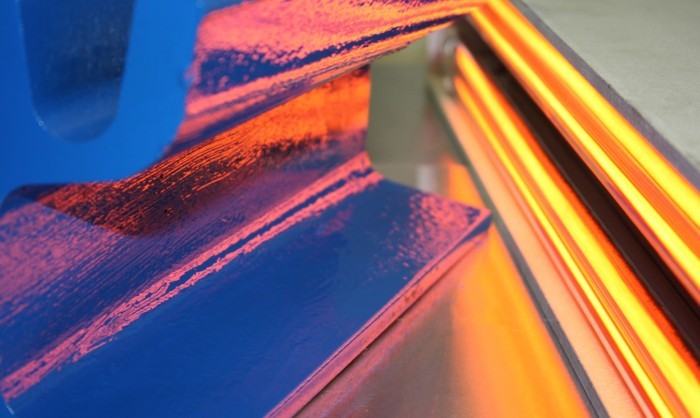
UV Coatings
Quality Control
Quality control is an essential aspect of the carpet manufacturing process. It ensures that each mat meets stringent quality standards and performs optimally in its intended application before leading to the carpet finishing process. Rigorous inspection and testing procedures are implemented to identify and rectify any defects or inconsistencies.
Inspection
An important step in the quality control process is the visual inspection of each mat. This is nearly the last step in the carpet finishing process. Skilled inspectors carefully examine each mat for any imperfections, such as:
-
Uneven Thickness: Variations in thickness can affect the mat's performance and durability.
-
Tears and Cuts: Tears or cuts can compromise the mat's structural integrity.
-
Discoloration: Discoloration may indicate exposure to heat, chemicals, or other factors that could degrade the mat's properties.
-
Foreign Object Contamination: Foreign objects, such as debris or metal fragments, can damage equipment or pose safety hazards.
Testing
In addition to visual inspection, mats are subjected to various tests to verify their performance and durability. These tests may include:
-
Tensile Strength: Measuring the mat's ability to withstand pulling forces ensures strong tensile strength because it is essential for mats that are subjected to heavy loads or tension.
-
Abrasion Resistance: This test evaluates the mat's resistance to wear and tear. A high abrasion resistance is crucial for mats used in high-traffic areas or harsh environments.
-
Chemical Resistance: Chemical resistance is essential for mats used in industrial settings. Therefore, this is the necessary step in the system to test the mat's ability to withstand exposure to chemicals, such as acids, alkalis, and solvents.
Packaging and Delivery
The industrial roll mat manufacturing process finishes with packaging and delivery. Proper packaging is crucial to protect the mats during transportation and storage, while efficient delivery ensures timely arrival to customers.
Packaging
In the carpet finishing process, the method of packaging depends on the type of mat, its size, and the desired level of protection. For roll mats, the most common packaging method is to wrap them in protective film or paper. helps to prevent damage, moisture, and dirt from affecting the mat. Additionally, the packaging should be designed to minimize waste and environmental impact.
Delivery
After the mats are packaged, they are ready for delivery. The delivery method depends on the quantity, distance, and customer preferences. Common delivery methods include:
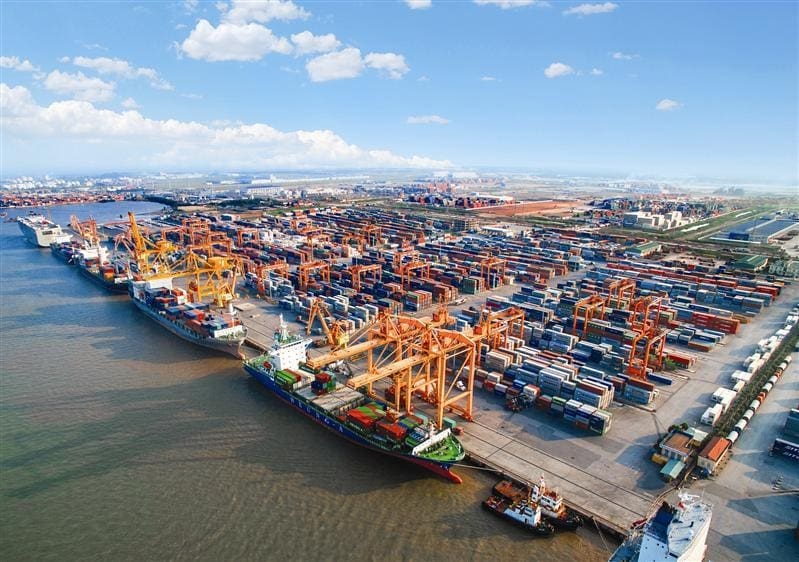
Sea Shipping
-
Truck Shipping: For large quantities or long distances, truck shipping is a cost-effective and reliable option.
-
Sea Shipping: For international shipments, sea shipping is the most common method
-
Air Shipping: For urgent deliveries or small quantities, air shipping is a faster option, but it is also more expensive.
Other articles



