




Saxony Carpet Overview: Definition, Pros And Cons, Price
Saxony carpet is a classic choice, loved for its plush feel and elegant look. Over the years, I’ve worked with countless carpets, and Saxony always stands out for its softness and sophistication. But does it truly complement your home's aesthetic and needs? In this guide, I'll share my expert take on its structure, materials, benefits, drawbacks, pricing, and best uses to help you decide.
What Is Saxony Carpet? Structure And Characteristics
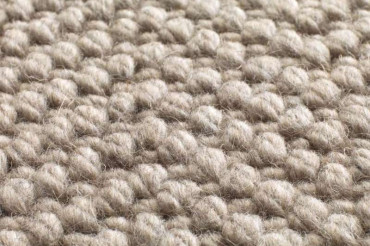
Saxony carpet is a cut-pile carpet known for its smooth, velvety texture and uniform appearance. The fibers stand upright and are tightly twisted, giving the surface a plush look. The main characteristic that sets Saxony apart is its ability to reflect light evenly, creating a soft, elegant aesthetic. Unlike frieze carpets, which have a more casual and textured look, Saxony carpets exude sophistication and are commonly found in formal settings like living rooms and bedrooms.
What is saxony carpet
What Is Saxony Carpet Made Of?
Saxony carpets can be made from various materials, each offering unique benefits. The most common materials include nylon, polyester, wool, and triexta. Nylon is highly durable and resistant to wear, making it a top choice for high-traffic areas. Polyester, on the other hand, is softer and more stain-resistant, ideal for homes with children or pets. Wool, the most luxurious and eco-friendly option, offers natural softness and durability but comes at a higher price. Triexta, a newer synthetic fiber, combines the resilience of nylon with the stain resistance of polyester, making it a versatile option.Saxony Carpet Pros And Cons
Pros Of Saxony Carpet
From my experience, Saxony carpet brings several advantages that make it a desirable flooring option:- Luxurious and Comfortable: Its plush texture adds warmth and comfort, making it ideal for bedrooms and living areas.
- Timeless Elegance: The uniform and rich appearance suit both traditional and modern home designs.
- Great Insulation: Saxony carpets help retain heat and reduce noise, which is beneficial for homes with multiple levels.
- Available in Various Materials: Whether you prioritize durability, softness, or eco-friendliness, there’s a Saxony carpet material that fits your needs.
Cons Of Saxony Carpet
While advantageous, it's important to acknowledge certain limitations:- Prone to Footprints and Vacuum Marks: If you prefer a carpet that maintains a pristine look, this may not be the best choice.
- Can Be Expensive: Wool and high-quality nylon Saxony carpets tend to be on the pricier side.
- May Require Frequent Maintenance: Regular vacuuming is necessary to maintain its plush appearance and prevent matting.
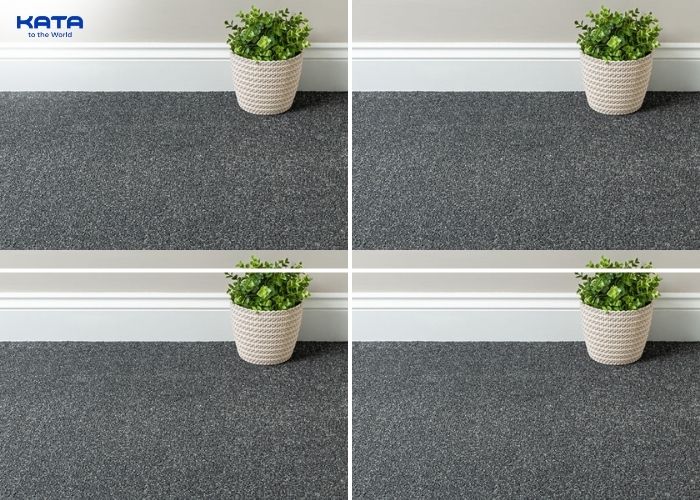
Saxony carpet pros and cons
What Are The Different Types Of Saxony Carpets?
Saxony carpets come in two main styles, each catering to different aesthetic and practical needs:Textured Saxony: Designed with slightly twisted fibers, this type helps to disguise footprints and vacuum marks, making it a great choice for busy households and high-traffic areas. Its subtle texture adds dimension while maintaining a soft, inviting feel underfoot.
Straight Saxony (Plush Saxony): Featuring evenly cut, upright fibers, this variety exudes a rich, velvety elegance. Its uniform surface reflects light beautifully, giving rooms a polished, luxurious appeal. However, it tends to reveal footprints and tracking marks more easily, which might require extra upkeep to maintain its pristine look.
How Easy Is It To Clean Saxony Carpets?
Maintaining a Saxony carpet depends largely on the type of fiber used. From my experience, nylon and polyester versions are the easiest to clean, resist stains, and wear more effectively than wool. Regular vacuuming is essential to prevent dirt from settling deep into the fibers, while periodic deep cleaning helps restore its fresh, plush look. Applying a stain-resistant treatment can also provide an extra layer of protection against spills, making daily maintenance more manageable.However, high-pile Saxony carpets require additional care, as their dense fibers tend to trap dust and debris more easily. Using a vacuum with adjustable height settings ensures a thorough clean without crushing the fibers. To keep the carpet in prime condition, professional steam cleaning every 12 to 18 months is recommended, as it not only removes deep-seated dirt but also revitalizes the pile, maintaining the luxurious feel that makes Saxony carpet so appealing.

Saxony carpet cleaning
Twist Pile Carpet Vs Saxony Carpet: What Carpet Is Better?
Twist pile carpet and Saxony carpet serve different purposes, each catering to specific needs. Twist pile carpets feature tightly twisted fibers, enhancing their durability and resilience. This structure helps them withstand heavy foot traffic while effectively concealing footprints and vacuum marks, making them an excellent choice for busy households, hallways, and commercial spaces where maintaining a neat appearance is crucial.On the other hand, Saxony carpet is all about luxury and comfort. Its upright, evenly cut fibers create a plush, velvety surface that feels incredibly soft underfoot. This makes it ideal for spaces where comfort takes precedence, such as bedrooms and formal living rooms. However, its smooth texture can reveal footprints and vacuum lines more easily than twist pile carpets, requiring more frequent maintenance to preserve its pristine look.
Ultimately, the choice between twist pile and Saxony carpet depends on your lifestyle and preferences. If durability and practicality are your top priorities, twist pile is a reliable option. However, if you desire an elegant, cozy atmosphere, the Saxony carpet remains a timeless favorite. Evaluating your space and maintenance expectations will help you select the carpet that best suits your needs.

Twist carpet vs saxony
What Is The Price Of Saxony Carpet?
The price of Saxony carpet varies based on the fiber type, quality, and brand. Here’s a general cost breakdown:- Nylon Saxony Carpet: Typically priced between $3 and $7 per square foot, offering a great balance of durability and affordability.
- Polyester Saxony Carpet: A more budget-friendly option, usually ranging from $2 to $5 per square foot, though it may lack the durability of nylon.
- Wool Saxony Carpet: A premium choice, costing between $8 and $15 per square foot, known for its natural softness and longevity.
- Triexta Saxony Carpet: Falls within the $4 to $8 per square foot range, providing a good mix of stain resistance and resilience.
Where Is Saxony Carpet Suitable For Installation?
Saxony carpet is best suited for low to medium-traffic areas where comfort is a priority. It works exceptionally well in bedrooms, offering a soft and cozy feel underfoot that enhances relaxation. In living rooms, it adds a touch of elegance and warmth, complementing various interior styles while making the space more inviting.Additionally, it is a great option for home offices, as its plush fibers provide excellent sound insulation, reducing noise and creating a more comfortable working environment. However, for high-traffic areas like hallways or entryways, a more durable carpet type may be preferable.

Where is saxony carpet suitable
Does Saxony Carpet Have Good Durability?
Durability largely depends on the fiber type, density, and maintenance. High-quality nylon Saxony carpets, known for their resilience, can last up to 15 years with proper care. Polyester offers a softer feel but lacks the longevity of nylon, while wool is naturally strong but demands more maintenance to prevent wear and staining over time.Can Saxony Carpets Be Made From Wool?
Yes, Saxony carpets can be made from wool, offering a naturally soft, breathable, and durable flooring option. Wool has a luxurious texture that enhances comfort while also providing excellent insulation. However, wool carpets demand more maintenance, as they are prone to absorbing moisture, stains, and dirt more readily than synthetic alternatives, requiring regular cleaning and careful upkeep to maintain their pristine appearance and longevity.=>>> Interested in carpets? Click here to learn more!!!
Does Saxony Carpet Retain Footprints?
Yes, Saxony carpet is known for showing footprints and vacuum marks, particularly the plush straight Saxony variety, which has a smooth and uniform surface. This makes it more susceptible to tracking marks and indentations. If you prefer a carpet that better conceals marks and maintains a neater appearance, textured Saxony is a more practical choice, as its slightly twisted fibers help to diffuse light and reduce visible impressions.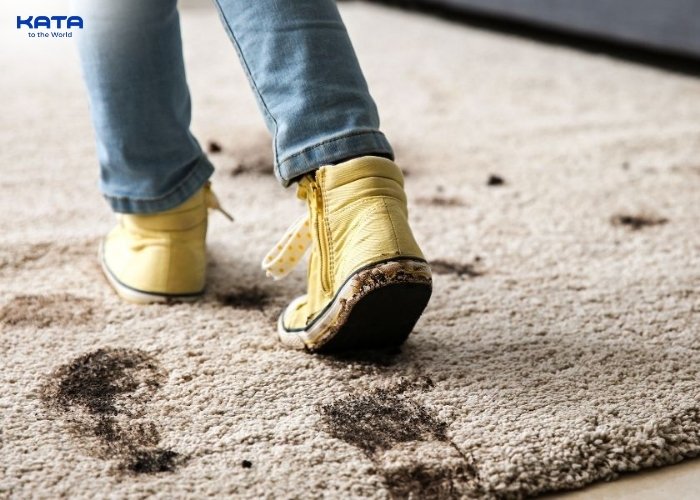
Saxony carpets retain footprints
What Is The Thickness Of The Saxony Carpet?
Saxony carpet typically has a pile height ranging from ½ inch to ¾ inch, giving it its signature plush feel. The thickness can vary depending on the fiber type and density, with higher-density carpets offering better durability and a more luxurious texture. Thicker Saxony carpets provide extra cushioning, enhancing comfort, but may require more maintenance to prevent matting.Is Saxony Carpet Soft?
Yes, the Saxony carpet is widely recognized for its exceptional softness, making it one of the most comfortable choices for residential flooring. The finely cut, densely packed fibers create a velvety texture that feels incredibly plush underfoot. This luxurious softness enhances the comfort of any space, making it a favored option for bedrooms and living rooms where relaxation is key. Beyond comfort, the gentle feel of the Saxony carpet also adds a touch of sophistication, elevating the overall aesthetic of a room while providing warmth and insulation against cold floors.
Saxony carpet sort
Is Saxony Carpet Good For A Living Room?
Saxony carpet is a fantastic addition to a living room, offering both comfort and sophistication. Its plush, velvety texture provides a cozy feel, making it an inviting space for relaxation or social gatherings. The luxurious appearance enhances the overall aesthetic, complementing various interior styles. However, if your living room sees frequent use, a textured Saxony variant may be a better choice, as it helps mask footprints and vacuum marks while maintaining a polished look over time. Proper care and maintenance will further ensure its longevity, keeping your space warm, stylish, and comfortable for years to come.Other articles


COPYRIGHT 2021 © ALL RIGHT RESERVED KATAVINA


[×]
REGISTER AGENT
We will contact you as soon as possible