




Frieze Carpet Reviews: Definition, Pros And Cons, Price
If you're exploring carpet options for your home, you've likely come across frieze carpet. This unique style has gained popularity for its durability, comfort, and stylish appeal. But is it the perfect choice for your needs? Based on my personal experience and extensive research, I'll dive deep into what frieze carpet is, its advantages and drawbacks, price considerations, and how it compares to other popular carpet styles.
What Is A Frieze Carpet?
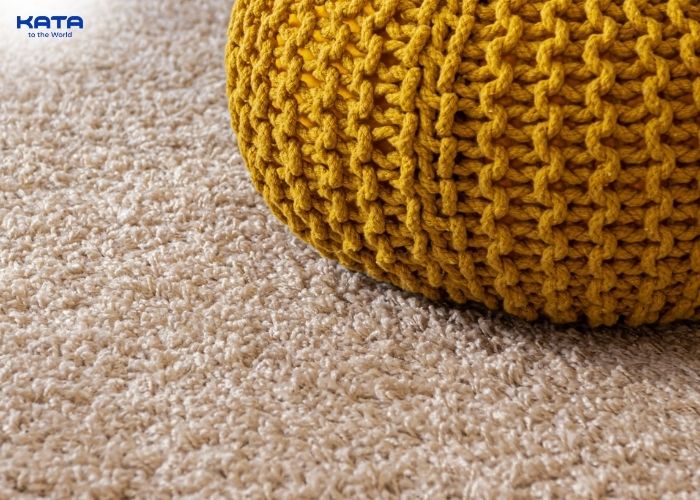
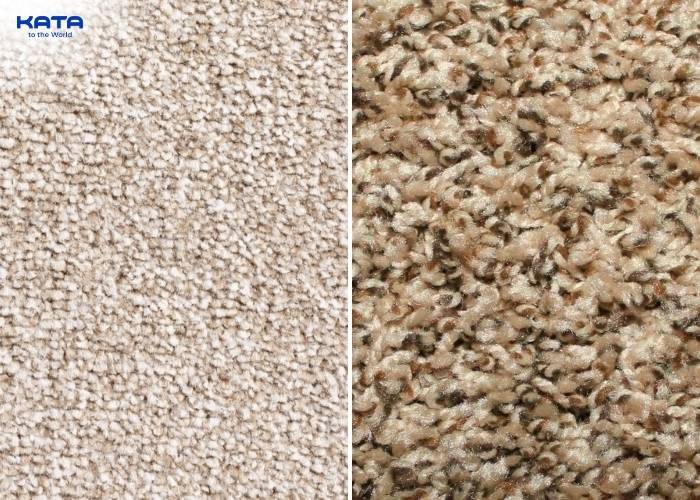
Frieze carpet is a type of cut-pile carpet known for its long, tightly twisted fibers that create a soft, casual appearance. These fibers are highly resilient, allowing them to mask footprints, vacuum marks, and general wear. In my experience, it's an excellent choice for homeowners looking for a modern, durable, and low-maintenance flooring solution. Unlike traditional carpets, frieze effectively conceals dirt and stains, making it particularly suitable for high-traffic areas. Its unique texture adds a contemporary touch to any room while providing warmth and comfort underfoot, making it a top contender in residential flooring options.
What is frieze carpet?
What is Frieze Carpet Made Of?
Frieze carpets are typically made from synthetic fibers such as nylon, polyester, or triexta. Nylon frieze carpets are known for their durability and stain resistance, while polyester options provide a more budget-friendly alternative with excellent softness. Triexta, a relatively new material, offers both durability and stain resistance, making it an increasingly popular choice. In my experience, nylon is the best option for high-traffic areas, whereas polyester works well for bedrooms or areas with less foot traffic.Pros And Cons Of Frieze Carpet
Pros Of Frieze Carpet
- Exceptional Durability: The tightly twisted fibers of frieze carpet make it incredibly resilient to wear and tear, ensuring a long-lasting flooring solution even in high-traffic areas.
- Supreme Comfort: The long, dense fibers provide a plush, cushioned feel underfoot, adding warmth and coziness to living spaces and bedrooms.
- Effortless Maintenance: Unlike Saxony or plush carpets, the frieze effectively hides footprints, vacuum lines, and minor debris, making it an ideal choice for busy households.
- Contemporary Aesthetic: With its modern, textured look, the frieze carpet complements a wide range of interior styles, from casual and cozy to sleek and sophisticated.
Cons Of Frieze Carpet
- Challenging Cleaning Process: The dense, twisted fibers can trap dirt and dust, requiring consistent vacuuming and occasional deep cleaning to maintain their fresh appearance.
- Higher Price Point: Compared to standard carpets, frieze tends to be more expensive due to its high-quality construction and enhanced durability.
- Not Ideal for Formal Settings: Its relaxed, casual texture may not suit homeowners who prefer a more refined, elegant aesthetic for formal living spaces.
Pros and cons of frieze carpet
How To Deep Clean Frieze Carpet?
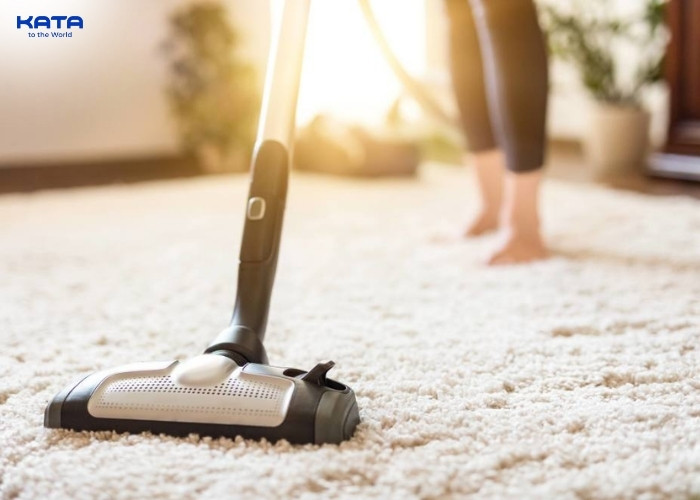
From personal experience, deep cleaning a frieze carpet requires the right approach to avoid damaging the twisted fibers. Regular vacuuming with a brushless vacuum is essential to prevent dirt from embedding deep into the fibers. Spot cleaning should be done immediately using a mild detergent and blotting rather than scrubbing, as excessive friction can untwist the fibers and ruin the carpet’s texture.For a deeper clean, I recommend using a carpet cleaner with a gentle brush setting and a low-moisture formula to prevent over-saturation. Steam cleaning can be highly effective, but it should be done by professionals to ensure proper extraction of moisture, reducing the risk of mold or mildew. Additionally, using a carpet rake after cleaning can help lift and fluff the fibers, restoring the carpet’s plush and uniform appearance.
=>>> Explore now: Berber vs frieze carpet
Clean frieze carpet
How To Install A Frieze Carpet?
Installing frieze carpet requires careful planning and precision to achieve a seamless look.Step 1: Measure and Prepare the Room Start by accurately measuring the room to determine how much carpet you'll need. Remove any existing flooring and clean the subfloor thoroughly to ensure a smooth surface. If necessary, repair any uneven areas to prevent bumps or wrinkles in the carpet.
Step 2: Install Tack Strips and Carpet Padding Place tack strips along the perimeter of the room, leaving a small gap between the strips and the walls. Then, lay down a high-quality carpet pad to enhance comfort and prolong the carpet’s lifespan. Secure the padding with staples or adhesive to prevent shifting.
Step 3: Cut and Position the Carpet Roll out the frieze carpet and cut it slightly larger than the room's dimensions. Carefully position the carpet over the padding, ensuring it aligns with the room’s layout. Trim any excess material along the edges for a precise fit.
Step 4: Stretch and Secure the Carpet Use a power stretcher to pull the carpet tightly across the room. This step is crucial to prevent ripples and premature wear. Attach the carpet to the tack strips along the edges, making sure it remains taut and smooth.
Step 5: Trim and Finish Trim any remaining excess carpet along the walls and use a carpet tucker to press the edges firmly into place. If necessary, use a knee kicker to make final adjustments around corners and doorways for a seamless appearance.
Step 6: Final Inspection and Cleanup Walk across the carpet to check for any loose areas or imperfections. Vacuum the surface to remove debris and ensure the fibers settle properly. While DIY installation is possible, I always suggest hiring a professional installer for a flawless, long-lasting result.

Installing frieze carpet
Maintenance And Repair Of Frieze Carpets
Regular vacuuming with a high-quality vacuum cleaner is necessary to prevent dirt and debris from settling deep into the fibers. Using a vacuum with adjustable height settings ensures gentle yet effective cleaning, preserving the twisted structure of the fibers. It's best to vacuum at least twice a week in high-traffic areas to maintain the carpet's appearance and longevity.Spot cleaning is essential for tackling stains before they set in. A mild detergent mixed with warm water can effectively remove most spills, but it's important to blot rather than scrub to avoid damaging the fibers. If any strands become untwisted, trimming them with sharp scissors is the best solution to prevent further unraveling. Additionally, placing area rugs in high-traffic zones like hallways and living rooms can help reduce wear and extend the carpet’s lifespan.
Saxony Vs Frieze Carpet: What Carpet Is Better?
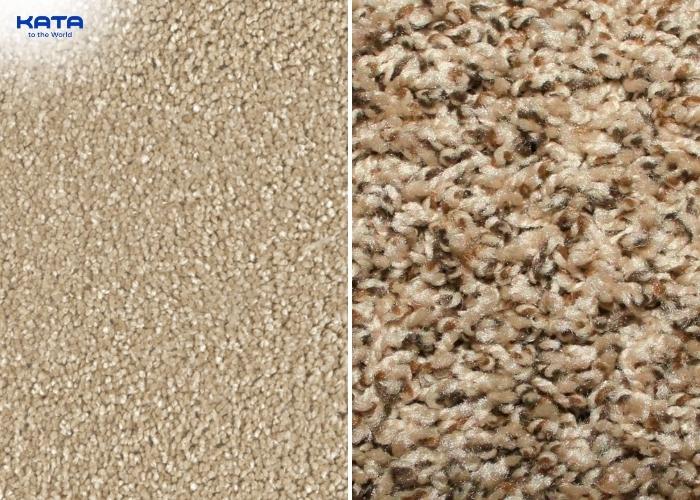
Saxony carpets have a formal, velvety appearance, often associated with luxury and sophistication. However, their smooth, plush surface tends to show footprints, vacuum marks, and even shading variations, which can require frequent grooming to maintain a pristine look. This makes them better suited for low-traffic areas like formal living rooms or master bedrooms where elegance is a priority.Frieze carpets, on the other hand, have a more casual and textured appearance due to their tightly twisted fibers. This design not only adds a relaxed aesthetic to a space but also makes it highly effective at hiding dirt, footprints, and vacuum marks. Their durability and resistance to matting make them ideal for high-traffic areas, such as hallways, family rooms, and children's playrooms.
If you're looking for a refined, luxurious look, Saxony is a great choice, but if practicality and longevity are your top priorities, I’d always recommend Frieze.
Textured Vs Frieze Carpet: What Carpet Is Better?
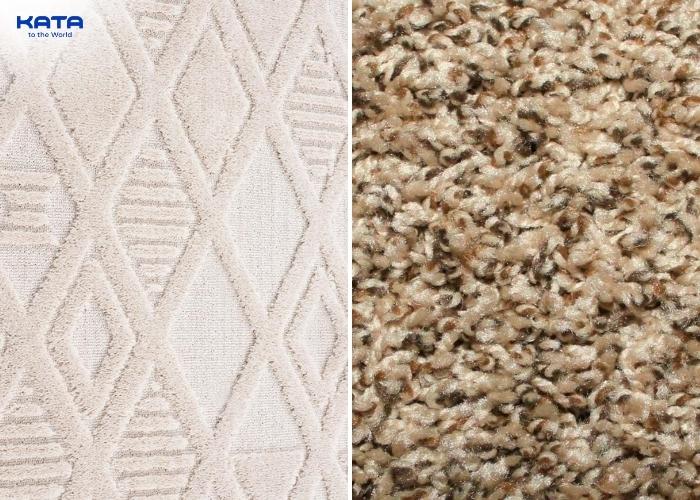
Textured carpets combine a mix of cut and looped fibers, creating a slightly varied surface that offers a subtle, patterned look. This design makes them effective at concealing footprints and vacuum marks while providing moderate softness. They are often chosen for their ability to add visual interest and durability to a space.Frieze carpets, on the other hand, feature long, tightly twisted fibers that create a more plush and cushioned underfoot feel. Their twisted construction makes them highly resistant to matting and wear, making them an excellent choice for high-traffic areas. While both textured and frieze carpets offer durability, frieze provides a cozier and more inviting aesthetic. The final choice depends on whether you prioritize softness and comfort or a more structured appearance with minimal maintenance.
Textured vs frieze carpet
Twist And Frieze Carpet: What Carpet Is Better?
Twist carpets share similarities with frieze, but the key difference lies in the fiber length and the degree of twist in the yarn. Frieze carpets have longer fibers with a more pronounced twist, giving them a casual, almost shag-like texture that effectively hides dirt and footprints. This makes them ideal for high-traffic areas and family-friendly spaces.Standard twist carpets, on the other hand, have shorter fibers with a slightly looser twist, resulting in a more structured and polished appearance. While they still offer durability and some resistance to footprints, they don’t provide the same level of softness or texture variation as frieze. The choice between the two depends on whether you prioritize a cozy, informal look with enhanced durability or a neater, more traditional aesthetic.
What Is The Average Price For A Frieze Carpet?
The cost of frieze carpet varies significantly based on material, quality, and brand. On average, homeowners can expect to pay between $2 to $5 per square foot for the carpet alone. Nylon frieze carpets, known for their superior durability, tend to be on the higher end of the price spectrum, often reaching $6 per square foot or more. Polyester options, while still offering good performance, are more budget-friendly and typically cost between $2 and $4 per square foot.In addition to the carpet itself, installation costs should also be considered. Professional installation generally ranges from $1 to $3 per square foot, depending on factors like room size, subfloor preparation, and carpet padding. High-quality padding, which can enhance comfort and extend the lifespan of the carpet, may add $0.50 to $1.50 per square foot. For a fully installed frieze carpet, total costs can range from $3 to $9 per square foot, making it a moderately priced yet valuable investment for homeowners.
=>>> Explore now: Explore Different Types Of Carpet
How Does Frieze Differ From Shag?
Although both have long fibers, shag carpets have a looser, more open construction, resulting in a plush and fluffy texture that provides a luxurious underfoot feel. However, this softness comes at the cost of durability, as shag carpets tend to show footprints, dirt, and matting over time. Frieze carpets, by contrast, feature tightly twisted fibers that are more resilient, maintaining their structured appearance even in high-traffic areas. This twist construction helps frieze carpets resist crushing, making them an excellent choice for households seeking both comfort and longevity without excessive maintenance.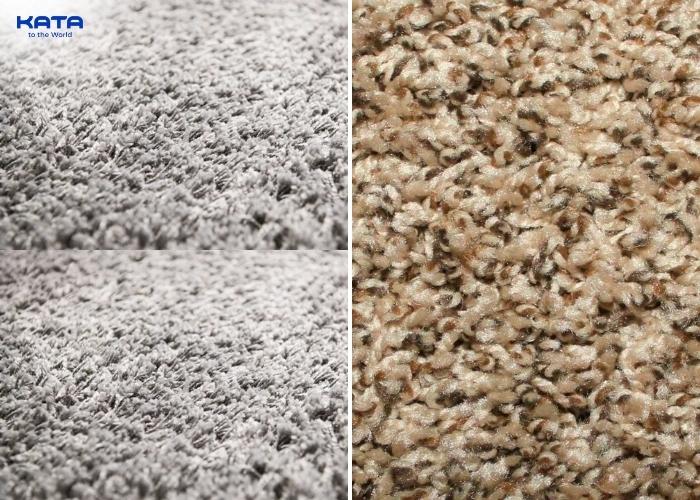
Frieze and shag
Where Should The Frieze Carpet Be Used?
Frieze carpet is best suited for various spaces due to its durability and comfort:- Living rooms – Ideal for high-traffic areas where durability and aesthetics matter.
- Hallways – Conceals footprints and wear marks effectively.
- Family rooms – Provides a cozy and inviting atmosphere for everyday activities.
- Bedrooms – Offers a soft, plush feel underfoot for added comfort.
- Open-concept spaces – Helps create a seamless and unified look.
- Homes with kids and pets – Resistant to wear and stains, making it a practical choice.
Things To Consider When Purchasing Frieze Carpet
When buying a frieze carpet, focus on fiber material, twist level, stain resistance, and density. Nylon is the most durable, while polyester is budget-friendly. Higher twists improve resilience, and built-in stain protection helps with maintenance. Also, check the warranty for coverage details.
Purchasing frieze carpet
Frieze Carpet FAQ
1. Is Frieze Carpet Good For Pets?Yes, frieze carpet is a great option for pet owners. Its twisted fibers help hide pet hair and resist stains, especially when treated with stain protection. However, frequent vacuuming is necessary to keep it clean.
2. Is Frieze Carpet Going Out Of Style?
Frieze carpet remains a popular choice due to its durability and casual aesthetic. While trends change, its practicality ensures it remains a staple in modern homes.
3. Is Frieze Carpet Good For High Traffic Areas?
Yes, frieze carpet is one of the best options for high-traffic areas. Its tightly twisted fibers withstand heavy use and hide dirt well, making it an excellent choice for hallways and family rooms.
Other articles


COPYRIGHT 2021 © ALL RIGHT RESERVED KATAVINA


[×]
REGISTER AGENT
We will contact you as soon as possible