




Berber Vs Frieze Carpet: Difference Between Two Types
Selecting the perfect carpet for your home can feel like choosing between two rival champions—Berber and Frieze. Each brings its strengths to the table, from Berber’s tough resilience to Frieze’s soft and inviting feel. Having worked with both for years, I can confidently say that your choice will define the comfort, style, and longevity of your flooring. In this guide, I’ll walk you through the essential details—how they’re built, how they perform, and which one is the ultimate fit for your space.
Frieze Carpet Construction And Features
Frieze carpet is easily recognizable by its long, twisted fibers, giving it a textured and casual look. The twisting process enhances its durability, making it highly resistant to footprints and vacuum marks. This makes it an excellent choice for busy households where constant foot traffic is a concern.Beyond its resilience, Frieze offers a luxurious underfoot experience with its soft, plush fibers. In my experience, this type of carpet excels at hiding dirt and signs of wear over time, thanks to its curly structure. However, its deep pile can trap debris, which might be a drawback for those who prefer a low-maintenance option.

Frieze carpet
Berber Carpet Construction And Features
Berber carpet, in contrast, is defined by its looped construction, giving it a unique, textured appearance. Typically crafted from nylon, olefin, or wool, its tightly woven loops create a firm and structured surface. This design makes Berber highly durable and resistant to crushing, which is why it’s a favorite in offices, basements, and family rooms.From my experience installing Berber in various spaces, I’ve found that it excels in handling foot traffic and wear. However, one potential downside is its susceptibility to snagging—if a loop gets pulled, it can unravel, which can be challenging to repair.

Berber carpet
What Is The Difference Between Berber And Frieze Carpet
Understanding the differences between Berber and Frieze carpets is essential when determining which fits your lifestyle. We're going to analyze the crucial elements that differentiate these options.Factor 1: Durability
Both Berber and Frieze carpets are known for their durability, but they perform differently under various conditions. Berber’s tight loop construction makes it exceptionally resistant to crushing and wear, which is why it thrives in high-traffic areas. However, one drawback I’ve noticed is that the loops can snag, particularly in homes with pets, leading to potential damage over time.Frieze, on the other hand, relies on its twisted fibers for resilience. This unique structure allows it to bounce back from heavy foot traffic better than many other carpet styles. From my experience, Frieze is often the preferred choice for households with active children or pets, as it does an excellent job of masking signs of wear and tear.

Durability of berber and frieze
Factor 2: Stain Hiding Ability
Spills and stains are inevitable, making stain resistance a crucial factor to consider. Berber carpet, particularly those made from olefin, naturally repels liquids, allowing for easy cleanup. However, one challenge I’ve encountered is that its tightly woven loops can cause spills to spread quickly if not cleaned immediately.Frieze, on the other hand, is excellent at disguising stains due to its twisted fibers, which help mask dirt and discoloration. However, cleaning can be trickier since liquids tend to seep deeper into the carpet. If stain resistance is a top priority, I always recommend applying a stain-resistant treatment, no matter which carpet type you choose.

Stain hiding ability of berber and frieze carpet
Factor 3: Style And Aesthetics
Aesthetic appeal is a personal preference, and Berber and Frieze carpets bring distinctly different styles to the table. Berber’s looped construction creates a structured, low-profile appearance that exudes a clean and modern feel. Often available with flecked color patterns, it adds subtle depth and texture, making it a perfect fit for contemporary, minimalist, or professional spaces.Frieze, on the other hand, is all about comfort and casual elegance. Its shag-like, twisted fibers create a soft and inviting atmosphere, making it a go-to choice for cozy spaces like bedrooms and family rooms. If you gravitate towards a sleek, tailored look, Berber is the way to go. However, if a relaxed, welcoming vibe is more your style, Frieze will deliver the warmth and comfort you seek.
=>>> Related Articles: Frieze vs plush carpet
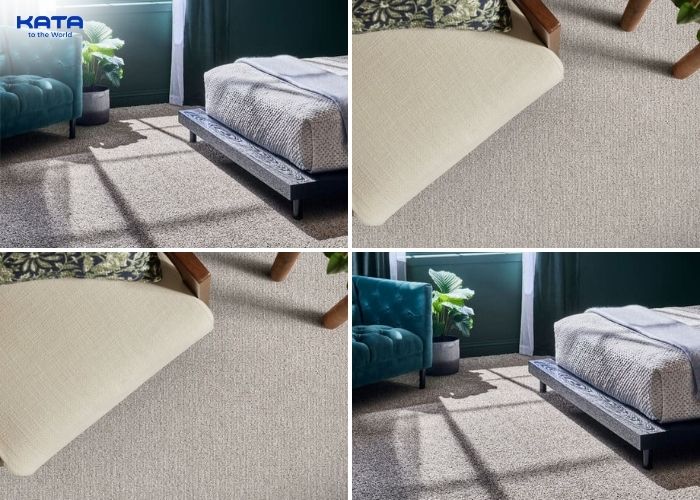
Style and aesthetics
Factor 4: Comfort
When it comes to comfort, Frieze carpet is the softer, more inviting option. Its long, twisted fibers create a plush, cushioned feel underfoot, making it perfect for bedrooms and family rooms. It also retains warmth well, which is a bonus in colder climates. However, its deep pile can trap dirt, requiring more frequent cleaning.Berber, on the other hand, has a firmer, more structured surface due to its tight-loop construction. While not as plush as Frieze, it provides solid support and works well in high-traffic areas like offices and hallways. If you prioritize softness, Frieze is the way to go, but for durability and practicality, Berber is a smart choice.

Comfort of berber and frieze carpet
Factor 5: Price
Cost is a significant factor when choosing between Berber and Frieze carpets. Berber is the more budget-friendly option, with prices typically ranging from $1 to $5 per square foot, depending on the material. Synthetic options like olefin are the most affordable, while wool Berber can be more expensive. This makes Berber a practical choice for homeowners looking for durability at a lower cost.Frieze, on the other hand, comes at a premium due to its plush texture and intricate manufacturing process. Prices usually range from $2 to $8 per square foot, with high-end versions reaching even more. While it requires a higher initial investment, Frieze offers exceptional comfort and a luxurious aesthetic that many homeowners find worth the cost.
=>>> Related Articles: Understanding the types of carpet

Price of carpet
Suitable Applications Of Berber And Frieze Carpets
Choosing between Berber and Frieze often depends on where you plan to install the carpet. Each type excels in specific environments.Frieze Carpet
Frieze is best suited for residential spaces where comfort and aesthetics are a priority. I often recommend it for:
- Living rooms and family rooms where a cozy feel is desired
- Bedrooms where softness underfoot is important
- High-traffic areas, as it hides wear well
Berber is ideal for areas that demand durability and a sleek look. In my experience, it works best in:
- Offices and commercial settings due to their structured appearance
- Basements, as its dense loops hold up well against foot traffic
- Hallways and staircases where a low-maintenance carpet is needed

Berber and frieze carpet applications
Final Thoughts
Choosing between Berber and Frieze carpets ultimately depends on your specific needs. If durability and affordability are your primary concerns, Berber is a fantastic choice. However, if you prioritize comfort and a modern, relaxed aesthetic, Frieze is the superior option. After working with both styles for years, I’d say there’s no wrong choice—just the right fit for your lifestyle and space. Carefully consider where the carpet will be used, your budget, and your personal preferences to make the best decision for your home.
Other articles



COPYRIGHT 2021 © ALL RIGHT RESERVED KATAVINA


[×]
REGISTER AGENT
We will contact you as soon as possible