




Loop Pile Carpet: Definition, Advantages And Disadvantages, Price
When choosing the right carpet for a space, one term that often comes up is "loop pile carpet." I’ve spent years exploring different flooring options, and loop pile carpets consistently stand out for their durability, unique structure, and cost-effectiveness. But what exactly is a loop pile carpet, and is it the right choice for your home or office? Let’s dive deep into this versatile flooring option.
What Is A Loop Pile Carpet?
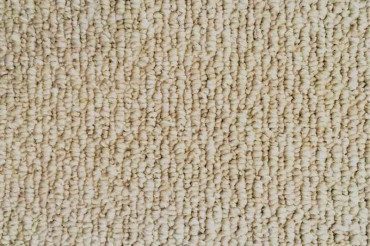
A loop pile carpet is a type of carpet where the fibers are looped through the backing instead of being cut, creating a durable and textured surface. This construction not only enhances visual appeal but also provides functional benefits such as resistance to wear and tear. The loops remain intact, making the carpet more resilient in high-traffic areas. Loop pile carpets come in various styles, from level loop to multi-level loop designs, each offering a distinct feel and pattern. Compared to cut pile carpets, they maintain their shape better over time and are less likely to show footprints or vacuum marks.
Loop pile carpet definition
Structure And Characteristics Of Loop Pile Carpet
Loop pile carpets are known for their tight loops, which contribute to their durability. The height of the loops can vary, affecting the texture and softness underfoot. Some designs incorporate uniform loop heights for a smooth appearance, while others use multi-level loops to create patterns and texture. These carpets are often crafted with synthetic fibers like polypropylene, nylon, or polyester, but natural materials such as wool can also be used.Loop Pile Carpet Pros And Cons
Loop Pile Carpet Advantages
- Highly durable due to their tight loop construction, making them ideal for high-traffic areas such as hallways and offices.
- Resistant to flattening, allowing them to maintain their appearance longer than many cut pile carpets.
- Excellent stain resistance, particularly in synthetic fiber versions like polypropylene.
- A stylish and modern aesthetic that complements various interior designs.
Loop Pile Carpet Disadvantages
- Prone to snagging, especially in households with pets.
- If a loop gets pulled, it can unravel, leading to visible damage.
- Less soft compared to plush cut pile carpets, which some homeowners find less comfortable underfoot.

Loop pile carpet pros and cons
What Are Loop Pile Carpets Made Of?
Loop pile carpets can be crafted from a range of materials, each with its advantages. Synthetic options like polypropylene and nylon offer excellent stain resistance and affordability, making them great for busy households. Wool, on the other hand, provides a luxurious feel and natural durability but comes at a higher price point. Blended fibers combine the strengths of both natural and synthetic materials, offering a balance between softness and resilience.Loop Pile Carpet Types
- Berber carpets: These carpets are known for their thick, sturdy loops and signature flecked color patterns. They offer a casual yet durable flooring option that works well in high-traffic areas. The flecked patterns also help disguise dirt and stains, making them a practical choice for homes with kids or pets.
- Level loop carpets: Featuring uniform loop heights, these carpets create a smooth, consistent texture. Their dense construction makes them exceptionally resistant to wear and flattening, making them ideal for offices and commercial spaces where longevity is crucial.
- Multi-level loop carpets: These carpets incorporate varying loop heights to create a sculpted or textured effect. This design not only adds depth and visual interest but also helps mask footprints and everyday wear, making them a great choice for busy living areas.

Loop pile carpet type
How To Clean Loop Pile Carpet?
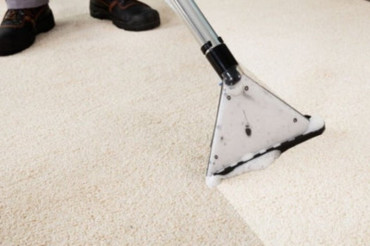
From my personal experience, maintaining a loop pile carpet requires consistent care to preserve its appearance and durability. Regular vacuuming with a suction-only vacuum or one with adjustable height settings helps prevent dirt from settling deep into the fibers while ensuring the loops remain intact. This routine maintenance is essential to prolonging the lifespan of the carpet and keeping it looking fresh.Spot cleaning is equally important—address spills immediately using a mild carpet cleaner or a mixture of water and white vinegar. Always blot the stain rather than scrubbing to avoid damaging the loops. For tougher stains, a carpet-specific enzyme cleaner can break down the residue effectively without compromising the integrity of the fibers.
Additionally, scheduling a professional deep cleaning every 12 to 18 months using a low-moisture or dry-cleaning method is beneficial. This process helps remove embedded dirt, refreshes the carpet’s texture, and prevents shrinkage or damage that can occur with excessive moisture exposure.
=>>> Discover another interesting article: What is wall to wall carpet

Cleaning loop pile carpet
How To Repair A Loop Pile Carpet?
If a loop gets pulled slightly but remains mostly intact, trimming the loose fiber with sharp scissors is the simplest solution. This prevents the snag from worsening while keeping the carpet looking uniform.For loops that have unraveled significantly, using a carpet repair needle and a small amount of adhesive can help re-loop the fiber back into place. This method works well for small areas where the damage is noticeable but not severe.
In cases of extensive damage where multiple loops are affected, replacing the damaged section with a carpet patch is often the best option. This involves cutting out the affected area and replacing it with a matching piece, ensuring the repair blends seamlessly with the surrounding carpet.

Repair loop pile carpet
What Is The Price Range Of Loop Pile Carpets?
Loop pile carpets vary in price based on material, quality, and brand. Synthetic options like polypropylene are among the most budget-friendly, typically ranging from $2 to $6 per square foot. They provide affordability and decent durability, making them a popular choice for budget-conscious buyers.Wool loop pile carpets, known for their superior durability, softness, and natural resistance to stains, can cost anywhere from $10 to $30 per square foot. While more expensive, they offer long-term value due to their resilience and luxurious feel.
Blended fiber loop pile carpets, combining synthetic and natural materials, typically range between $5 and $15 per square foot. They strike a balance between affordability and performance, offering enhanced durability and comfort without the high cost of pure wool options.

Loop pile carpet price
Where Is Loop Pile Carpet Used?
Thanks to its durability, loop pile carpet is widely used in various settings. In high-traffic residential areas such as hallways and living rooms, it withstands heavy footfall while maintaining its shape and appearance over time. Its ability to resist crushing makes it an excellent option for busy households.In commercial spaces like offices, loop pile carpets, particularly level loop designs, are favored for their professional look and exceptional resistance to wear. These carpets provide a neat and structured aesthetic while offering long-lasting durability even in areas with constant movement.
Bedrooms and lounges can also benefit from loop pile carpeting, especially when paired with a soft underlay for added comfort. Although not as plush as cut pile carpets, certain loop styles provide a cozy and inviting feel, making them a practical and stylish flooring choice.
Twist Pile Vs Loop Pile Carpet
Comparing twist pile and loop pile carpets, I’ve noticed key differences that influence their suitability for different spaces. Twist pile carpets, featuring twisted fibers that create a plush surface, tend to be softer and more comfortable underfoot. They also conceal footprints and vacuum marks well. Loop pile carpets, on the other hand, offer better durability and resistance to wear, making them ideal for heavy foot traffic areas.
Loop pile or twist carpet
Is Loop Pile Carpet Durable?
Loop pile carpets are known for their durability, making them ideal for high-traffic areas. Their tightly woven loops resist crushing and wear, maintaining their shape over time. Wool adds elasticity and stain resistance, while solution-dyed nylon ensures longevity. With regular care, including vacuuming and occasional deep cleaning, they can last for decades. These carpets offer excellent value and a stylish flooring solution, blending practicality with aesthetics for both homes and commercial spaces.Conclusion
Loop pile carpets offer a fantastic blend of durability, style, and practicality. Through my experience, I’ve found them to be an excellent choice for busy households and commercial spaces alike. While they may require careful maintenance to prevent snagging, their longevity and stain resistance make them a worthwhile flooring solution. Whether you prioritize affordability, aesthetics, or long-term performance, loop pile carpets provide a reliable and versatile option for various settings.
Other articles


COPYRIGHT 2021 © ALL RIGHT RESERVED KATAVINA


[×]
REGISTER AGENT
We will contact you as soon as possible