




Carpet Pile Overview: Definition And Common Types Of Carpet Piles
When it comes to choosing the perfect carpet for your home, one key factor that often gets overlooked is the pile. The term "carpet pile" refers to the height, texture, and appearance of the carpet fibers, which can significantly affect both its aesthetic appeal and comfort. Understanding the different types of carpet piles, as well as their benefits, is essential for making an informed decision when it comes to flooring options. In this article, we’ll explore what carpet pile is, the different types, and the factors that influence pile quality and comfort.
What Is Carpet Pile?
If you’ve ever found yourself asking, “What is a carpet pile?” you're not alone. Carpet pile refers to the density, length, and texture of the fibers that make up the surface of the carpet. These fibers are attached to the backing of the carpet, and they play a significant role in how the carpet feels and looks.The carpet pile can either stand upright or be sheared to create a specific texture. Carpet pile is usually made from materials like nylon, polyester, wool, or olefin, each offering different benefits in terms of durability and comfort. Understanding carpet pile is important because it will help you decide on the right type of carpet that matches your needs, whether you're looking for something soft for a bedroom or something durable for high-traffic areas.

What is pile carpet
3 Common Types Of Carpet Piles
There are several types of carpet piles, each designed to meet different aesthetic and functional requirements. Here, we’ll discuss the three most common types of carpet piles: loop pile, cut pile, and cut and loop pile.Loop Pile Carpet
Loop pile carpets are made from fibers that are woven into a series of loops. The loops create a dense, uniform texture and can vary in size and height. This type of pile is known for its durability and is often found in commercial settings. One of the biggest advantages of loop pile carpets is their resistance to stains and wear. They are perfect for high-traffic areas like hallways, offices, and entryways. However, the loop pile can sometimes feel rough underfoot.
Loop pile carpet
Cut Pile Carpet
Cut pile carpets are created by cutting the loops of the fibers, resulting in individual fibers that stand upright. This type of pile is softer underfoot and often has a more luxurious appearance. Cut pile carpets come in various subtypes, including plush, saxony, and velvet, each offering different levels of softness and durability. Due to their plush feel, cut-pile carpets are typically used in residential areas, such as living rooms and bedrooms. However, they may require more maintenance due to their tendency to show footprints and vacuum marks.=>>> You may be interested in the article: Cut Pile Vs Loop Pile Carpet

Cut pile carpet
Cut And Loop Pile
As the name suggests, cut and loop pile combines both looped and cut fibers in a single carpet. This type of pile creates a textured, multi-dimensional appearance that can add visual interest to a room. Cut and loop pile carpets are often used to create patterns and designs within the carpet. They provide the softness of the cut pile and the durability of the loop pile, making them a versatile option for various spaces.
Cut and loop pile
How Are Carpet Pile Heights Classified?
The height of the carpet pile has a significant impact on its look and feel. Carpet pile heights are generally classified into three categories: low pile, medium pile, and high pile.Low Pile
Low-pile carpets feature short fibers, typically ranging from 0.15 to 0.25 inches in height. These carpets are densely packed together, making them durable, easy to clean, and ideal for high-traffic areas. Low-pile carpets provide a sleek, modern look with less plushness but increased resistance to wear and dirt buildup.
=>>> Read more articles: low pile vs high pile carpet
Medium Pile
Medium pile carpets generally have fibers between 0.25 and 0.5 inches in height. They strike a balance between comfort and durability, offering a plush feel while remaining easy to maintain. Medium pile carpets are suitable for spaces that need both softness and resilience, like living rooms or bedrooms.
High Pile
High pile carpets, also known as deep pile carpets, have long fibers ranging from 0.5 to 1 inch or more. These carpets offer a luxurious, plush feel and are typically used in spaces where comfort is a priority, such as bedrooms or home theaters. However, high-pile carpets may require more maintenance, as the longer fibers tend to trap dirt and debris more easily.

Carpet pile heights
Why Carpet Pile Is Important For Comfort And Looks?
Carpet pile plays a crucial role in both the comfort and appearance of your carpet. The pile height, texture, and density all contribute to how soft or firm the carpet feels underfoot. A soft, high-pile carpet will make a room feel cozier, while a low-pile carpet can create a more contemporary, streamlined look.The appearance of your carpet is also heavily influenced by the type of pile. For instance, a cut pile carpet tends to have a more luxurious look due to its soft, upright fibers, while a loop pile may give off a more casual, durable vibe. The type of pile you choose can enhance the overall design of your space, making it feel inviting and stylish.
Additionally, carpet piles can affect the acoustics of a room. High-pile carpets help absorb sound, making them a great choice for spaces where noise reduction is desired, like home theaters or bedrooms.
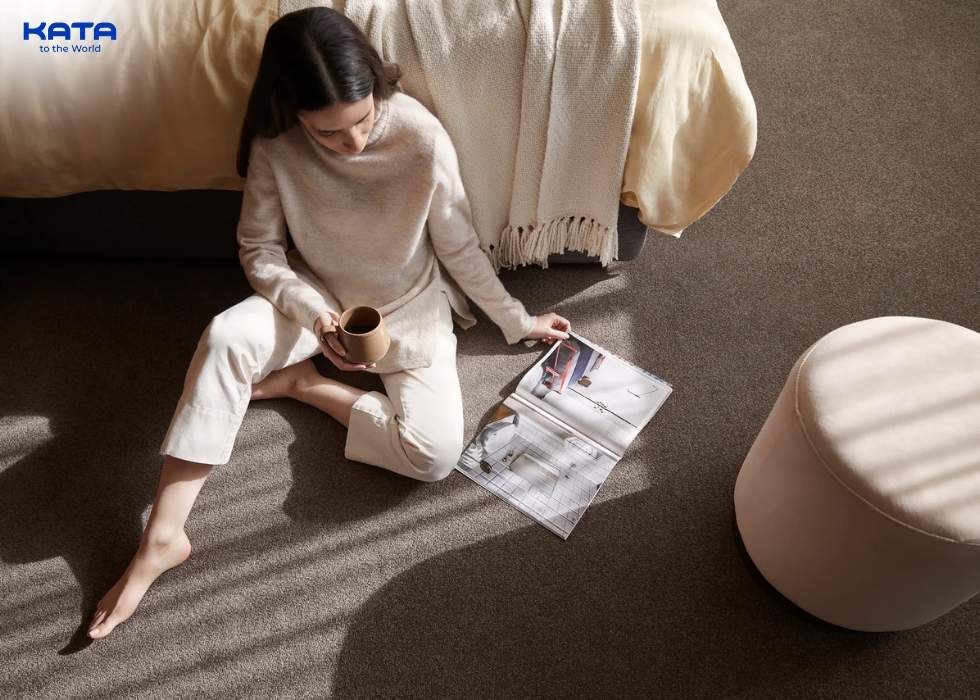
Why is carpet pile important for comfort and aesthetics
Factors Affecting Carpet Pile Quality
Several factors affect the overall quality of a carpet’s pile, and it's important to consider these before making a purchase. Here are some key factors that can influence the quality of the carpet pile:Fiber Material
The material used for the fibers can significantly impact the durability and feel of the carpet. Natural fibers like wool tend to have a luxurious feel and high resilience, while synthetic fibers like nylon and polyester are often more durable and stain-resistant.
Pile Density
The density of the carpet pile refers to how tightly packed the fibers are. A higher density means the carpet will be more durable and resistant to wear. It also results in a softer feel underfoot. However, higher-density carpets may be more expensive.
Twist Level
The twist level of the fibers refers to how tightly the fibers are twisted during the manufacturing process. More twists typically mean greater durability and less shedding. This is especially important for cut pile carpets, as higher twist levels help the fibers stand upright and maintain their shape.
=>>> Read more articles: cut pile vs essex carpet

Carpet pile quality
How To Choose The Best Carpet Pile For Your Space
When choosing the best carpet pile for your home, it’s important to consider your specific needs and the room’s function. Here are some tips to help you make the right decision:
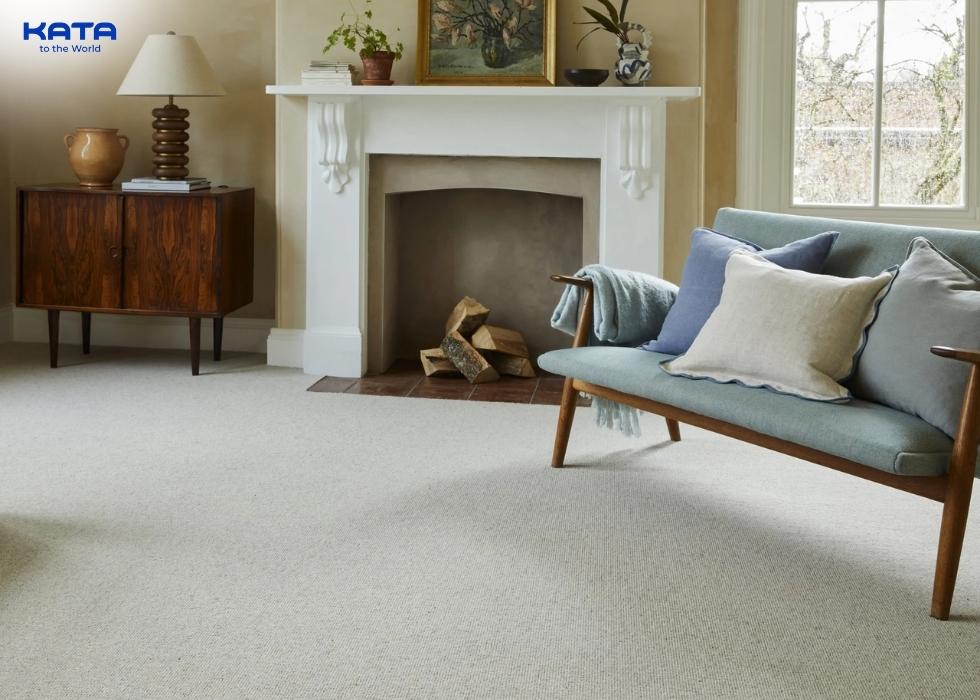
Choose the best carpet pile for your space
- For high-traffic areas like hallways and living rooms, consider low or medium-pile carpets for durability and ease of maintenance.
- If you’re looking for comfort and luxury, high-pile carpets may be ideal for bedrooms or areas where you want to create a cozy atmosphere.
- Consider your lifestyle. If you have pets or small children, opt for a carpet with a durable, easy-to-clean pile, such as a loop pile or a tightly twisted cut pile.
- Factor in the overall design of the room. Loop pile carpets are great for creating a more textured, natural look, while cut pile carpets offer a smoother, more refined appearance.
Choose the best carpet pile for your space
Care And Cleaning Of Various Carpet Pile Types
Proper care and cleaning are essential to maintaining the longevity of your carpet and ensuring it looks its best. Each type of carpet pile requires different cleaning methods:- Loop Pile: Vacuum regularly using a vacuum cleaner with strong suction. Avoid using a vacuum with a beater bar, as it can damage the loops.
- Cut Pile: Regular vacuuming will keep your cut pile carpet clean. Be mindful of foot traffic, as these carpets can show footprints and vacuum marks.
- Cut and Loop Pile: Since this type combines both cut and loop fibers, use a vacuum cleaner with adjustable settings to avoid damaging the loops while maintaining the plushness of the cut fibers.

Cleaning of different types of carpets pile
Conclusion
Understanding carpet piles is essential when choosing the right carpet for your home. By considering the different types of piles, their heights, and how they fit into your lifestyle and design preferences, you can make an informed decision that enhances both the comfort and appearance of your space. Whether you opt for a low pile for durability, a plush high pile for comfort, or a cut and loop pile for a unique design, the right carpet pile will transform your home into a welcoming and stylish environment.
Other articles



COPYRIGHT 2021 © ALL RIGHT RESERVED KATAVINA


[×]
REGISTER AGENT
We will contact you as soon as possible