




Low Pile Carpet vs High Pile Carpet: Which One Should You Choose?
Choosing between low-pile and high-pile carpets can be a daunting decision, especially if you're unsure about their differences and how they impact your home. Having worked extensively with various carpet styles and textures, I understand the importance of selecting the right one based on durability, comfort, and maintenance. In this guide, I’ll share my insights to help you make the best choice for your space.
What Is Low Pile Carpet?
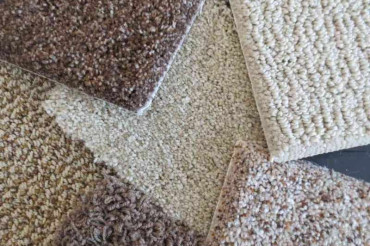
Low pile carpet (also referred to as short pile carpet or low profile carpet) means a type of carpet with fibers typically under 1/4 inch in height, creating a dense and flat surface.These carpets are generally less plush than their high pile counterparts but offer a sleek and modern look. The short fibers stay close to the carpet backing, making them more durable and easier to maintain.
A common example of a low-pile style is Berber carpet, which features tightly looped fibers that create a dense and highly durable surface. Because of its resilient construction, Berber is often used in hallways, offices, and other high-traffic areas.

Definition of low pile carpet
Pros And Cons Low Pile Carpet
Pros- Durability: Low pile carpets are typically more durable due to their shorter fibers. They hold up well in high-traffic areas, making them perfect for living rooms, hallways, or offices.
- Low Maintenance: With short fibers, low pile carpets are easier to clean and maintain. Dust and dirt have a harder time settling in, and vacuuming is a breeze.
- Allergen-Friendly: Because low pile carpets trap less dirt and dust, they are generally considered better for allergy sufferers, especially if you use a vacuum with a HEPA filter.
- Less Softness: While still comfortable, low pile carpets can feel firmer and less plush underfoot compared to high pile options.
- Less Warmth: These carpets tend to be cooler because the short fibers don’t trap as much heat, making them less cozy in colder climates.

Advantages and disadvantages of low-pile carpets
What Is A High Pile Carpet?
High pile carpet (sometimes referred to as long pile carpet) means a type of carpet with fibers typically over 1/2 inch in height, creating a soft and plush surface.These longer, thicker fibers give the carpet a luxurious feel underfoot and help create a warm, cozy environment. Because of their comfort and visual appeal, high pile carpets are often used in bedrooms, lounges, and other low-traffic areas.
A common example of high pile carpet is shag carpet, which features long, loose fibers for an even softer and more textured feel.

Definition of high pile carpet
Pros And Cons High Pile Carpet
Pros- Plush Comfort: The longer fibers in high pile carpets create a plush, luxurious feel that’s perfect for bedrooms and living rooms where comfort is key.
- Warmth: High pile carpets naturally trap more heat due to the longer fibers, providing an extra layer of insulation. This makes them an excellent choice for colder climates.
- Aesthetic Appeal: The full, fluffy appearance of high pile carpets adds a distinct aesthetic to any room, creating a cozy, inviting atmosphere.
- Higher Maintenance: High pile carpets tend to trap more dirt, dust, and allergens in their longer fibers. Cleaning them requires more effort, and they may require professional cleaning more often than low pile carpets.
- Less Durability: Due to the longer fibers, high pile carpets are more prone to wear and tear, especially in high-traffic areas. They can show signs of flattening and matting over time.

Advantages and disadvantages of high pile carpets
Low-Pile vs. High-Pile Carpet: Compare Important Factors
AppearanceLow pile carpet tends to look more uniform and modern, fitting well with minimalist and contemporary designs. It excels in creating a sleek and clean appearance, making it the better choice for professional spaces or homes with a modern aesthetic. High-pile carpet, on the other hand, offers a richer, textured look that adds depth to a room, making it cozier and more inviting. For those who prioritize warmth and a luxurious feel, high pile carpet stands out as the superior option, especially in areas meant for relaxation like bedrooms and lounges.
Durability and Lifespan
Low-pile carpet performs better in high-traffic areas because its shorter, tightly packed fibers resist matting and crushing. This structure helps the carpet maintain its appearance for years with minimal upkeep. High-pile carpet, while noticeably softer underfoot, tends to wear down faster in busy households. The longer fibers flatten more easily when exposed to constant foot traffic.

Low-pile carpet has better durability
Warmth and Softness
If you prioritize warmth and softness, a high-pile carpet is a superior choice. It acts as an insulator, keeping rooms warm and providing a plush, cushioned feel underfoot, making it ideal for bedrooms and cozy lounging areas. Low-pile carpet, though not as plush, still provides a comfortable surface but lacks the same level of coziness. However, if you need a balance between comfort and practicality, a low-pile carpet might be the better option for high-traffic areas where warmth is less of a concern.
Price
Low-pile carpet is typically the more cost-effective choice due to its lower material costs and longer lifespan in high-traffic areas. It offers better value for money, especially for homeowners seeking durability without frequent replacements. High-pile carpet, while more expensive, justifies its price with enhanced softness and luxury. However, when considering long-term affordability and maintenance, low pile carpet emerges as the more budget-friendly and practical option.

Low pile carpets are often a more cost-effective choice
Ease of Installation
From my experience, installing a low-pile carpet is the superior choice in terms of ease. Its compact fibers make it easier to cut, shape, and secure, resulting in a faster and more straightforward installation process. High-pile carpet, on the other hand, requires more effort and precision, particularly when it comes to seams and fitting around obstacles. If you want a hassle-free installation with minimal complications, a low-pile carpet is the better option.
Ease of Moving Furniture
Thanks to their short, dense fibers, low-pile carpets make it easier to move furniture without leaving noticeable marks on the surface. This is a clear advantage over high-pile carpets, which can be more difficult to manage when shifting heavy items. The longer fibers in high-pile carpets are more likely to develop indentations under heavy furniture, and frequent rearranging can cause the fibers to flatten or mat over time.
If you plan to move furniture regularly or rearrange your space often, low-pile carpets are usually the more practical choice.
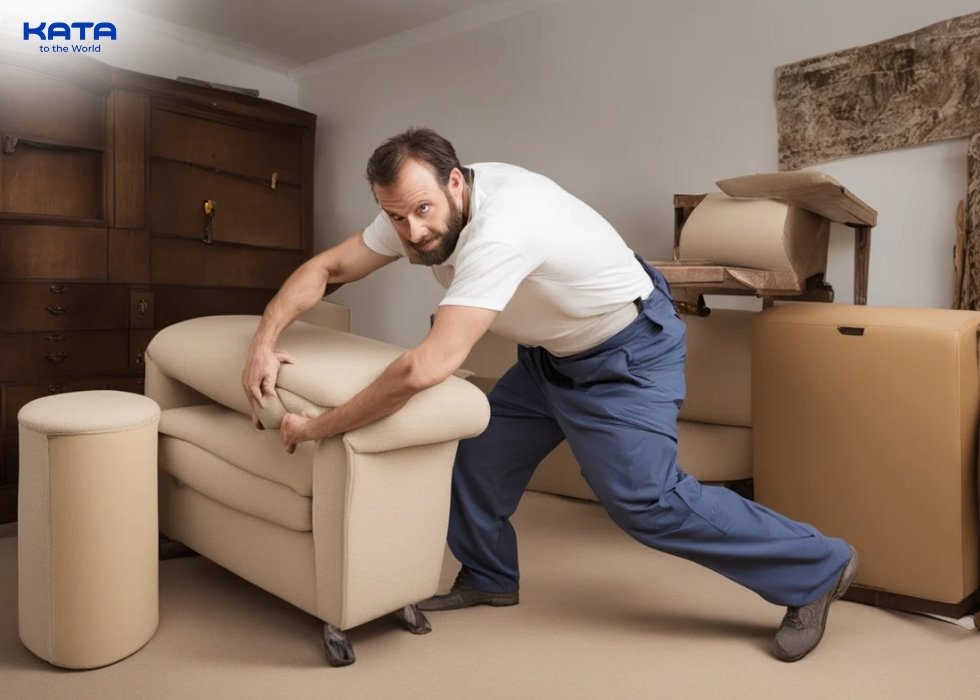
Easy to move furniture
Maintenance
When it comes to maintenance, low-pile carpets are generally the easier option to care for. Their short, dense fibers make cleaning more effective overall. Dirt, dust, and debris tend to stay closer to the surface, so regular vacuuming is usually enough to keep them clean. Some users refer to this as the difference between “high carpet vs low carpet vacuuming,” where low-pile carpets are noticeably easier to handle.
High-pile carpets, on the other hand, require more intensive care. The longer fibers trap dust, allergens, and stains more easily, which means they often need not only more frequent vacuuming, but also deep cleaning methods such as shampooing or professional cleaning. Stains can also penetrate deeper into the fibers, making them harder to remove.
For homeowners looking for low-maintenance flooring, low-pile carpets are typically the more practical choice.

In terms of resale value, low-pile carpets tend to outperform high-pile options. Their practical nature makes them more attractive to a wider range of potential buyers. Low-pile carpets are easier to maintain and tend to hold up better over time, which adds to their appeal. On the flip side, high-pile carpets, despite their luxurious feel, may not have the same broad appeal. The higher maintenance they require can be a drawback for many buyers, potentially affecting their resale value in the long run.
=>>> If you want to learn an overview of carpet pile, you can access it here!
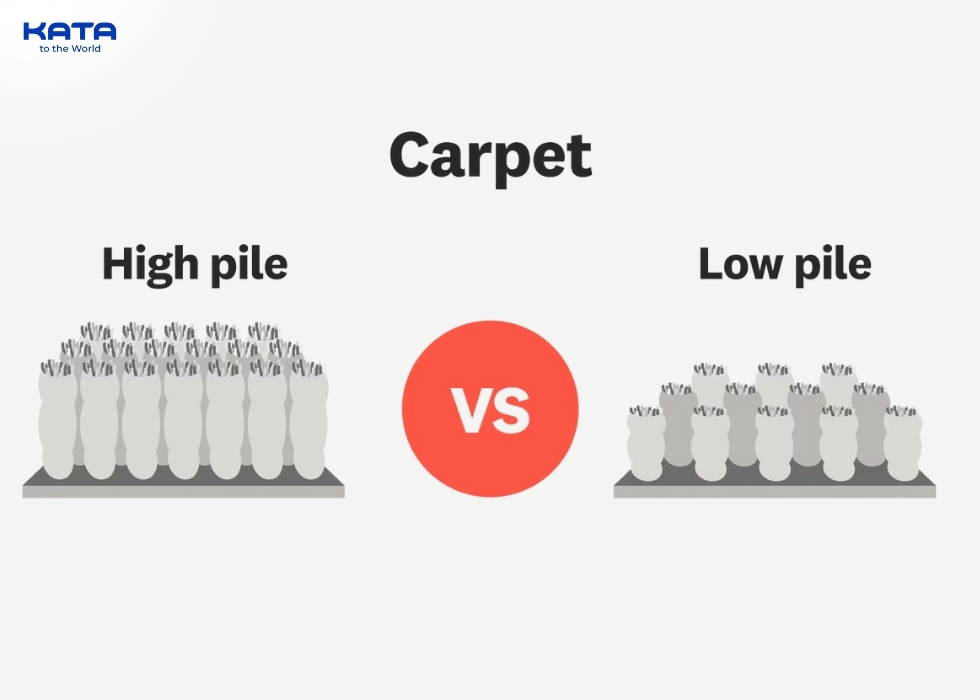
Low-Pile vs. High-Pile Carpet Comparison
| Feature | Low Pile Carpet | High Pile Carpet |
|---|---|---|
| Fiber Height | Under 1/4 inch | Over 1/2 inch |
| Durability | High | Medium |
| Comfort | Firm | Soft and plush |
| Maintenance | Easy | More demanding |
| Best for | High-traffic areas | Bedrooms, low-traffic areas |
| Lifespan | Longer | Shorter |
Low Or High Pile Carpet Is Right For You?
Ultimately, choosing between low pile and high-pile carpet depends on your lifestyle, preferences, and how the space is used. Low-pile carpet is generally more suitable for high-traffic areas thanks to its durability and ease of maintenance, while high-pile carpet is better suited for spaces where comfort, warmth, and a softer feel are the priority.If you find it difficult to choose between the two, a medium pile carpet can offer a balanced alternative. It provides more cushioning than low pile while still being easier to maintain than high pile, making it a practical option for many homes.
Consider factors such as traffic level, climate, and how much time you’re willing to invest in carpet care before making your final decision. By weighing the pros and cons of each option, you can select the carpet type that best fits your home or workspace.
FAQ
Q: What does low pile carpet mean?A: Low pile carpet means a carpet with short fibers (typically under 1/4 inch) that are dense, durable, and easy to clean.
Q: What is considered high pile carpet?
A: High pile carpet is typically defined as having fibers longer than 1/2 inch, giving it a softer and more plush feel.
Q: Which carpet pile is best?
A: Low pile carpet is more suitable for high-traffic areas, while high pile carpet is better for comfort and low-traffic spaces.
Q: Is low pile carpet better for pets?
A: Yes, low pile carpets are generally better for pets because they are easier to clean and trap less pet hair and dirt.
Other articles


COPYRIGHT 2021 © ALL RIGHT RESERVED KATAVINA


[×]
REGISTER AGENT
We will contact you as soon as possible