




All Factors That Affect The Quality Of A Carpet
The quality of a carpet is influenced by multiple factors, each playing a crucial role in determining its durability, appearance, and comfort. Choosing a high-quality carpet is essential for ensuring longevity and maintaining an aesthetically pleasing environment. Understanding the key aspects that contribute to carpet quality can help consumers make informed purchasing decisions. This article explores all the essential elements that affect the quality of a carpet, from material composition to manufacturing techniques and storage conditions.
The Importance Of Carpet Quality Testing
Carpet quality testing ensures that carpets meet industry standards and perform well under various conditions. This testing evaluates factors like durability, stain resistance, fiber strength, and colorfastness. High-quality carpets undergo rigorous assessments to verify their ability to withstand foot traffic, moisture exposure, and wear over time. By relying on certified carpet testing, consumers can be confident in their purchase, knowing that the product meets performance expectations.
Test the quality of the carpet
Carpet Material
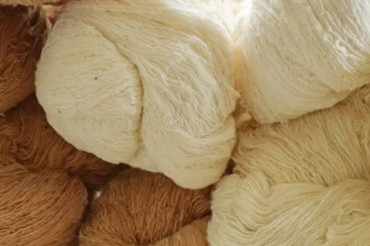
One of the most significant factors influencing carpet quality is the type of material used. The fibers chosen determine the carpet’s durability, softness, and ability to withstand daily wear and tear. Natural fibers, such as wool, are highly valued for their long-lasting strength, elasticity, and luxurious feel. Wool carpets provide excellent insulation and naturally resist dirt and crushing. However, they tend to be more expensive and require regular maintenance to retain their appearance.Synthetic fibers like nylon, polyester, and polypropylene offer cost-effective alternatives while still providing durability and stain resistance. Nylon is especially popular due to its resilience and ability to maintain its shape, making it a great option for high-traffic areas. Polyester, on the other hand, is known for its softness and vibrant color retention, though it may be less resistant to heavy use. Polypropylene is highly resistant to moisture and stains but tends to flatten more quickly under pressure.
The choice of fiber ultimately affects the carpet’s comfort, longevity, and performance in different environments. Understanding these material differences allows buyers to select a carpet that best suits their needs, whether for residential spaces requiring plush comfort or commercial areas requiring high durability.

Quality of carpet material
Weave Of The Carpet
The weaving technique plays a vital role in determining the carpet's texture, durability, and resilience. Hand-knotted carpets, often considered the pinnacle of quality, showcase intricate craftsmanship and exceptional durability. Machine-woven carpets, while more affordable, may lack the unique touch of handmade varieties. Other weaving methods, such as tufting and needle-punching, also influence the quality of a carpet. A tightly woven carpet with consistent loops or tufts ensures better wear resistance and a longer lifespan.
Carpet weaving technology
Thickness And Density Of Fibers
The thickness and density of a carpet's fibers are key factors that define its quality. A carpet with densely packed fibers tends to be more resilient, offering greater comfort and durability. While thicker carpets provide a plush, cushioned feel underfoot, they may require more maintenance to keep them looking fresh. Additionally, the density of fibers determines how well a carpet can endure foot traffic, retain its aesthetic appeal, and resist flattening over time. Premium carpets are designed with tightly packed, evenly distributed fibers that hold their shape and integrity even after prolonged use.
Quality of thickness and density
Fiber Structure
The structural composition of carpet fibers plays a crucial role in determining their durability, resilience, and overall performance. Fibers can be twisted, straight, or textured, each offering distinct advantages depending on their application. High-twist fibers are particularly valued for their ability to resist frizzing and wear, making them ideal for high-traffic areas. Looped fibers, like those used in Berber carpets, provide excellent resistance against crushing and footprints, maintaining a neat and uniform appearance over time.The cut or loop structure of fibers greatly influences a carpet’s overall quality, affecting both its texture and ability to withstand daily use. Cut pile carpets, which have sheared fiber ends, tend to offer a softer and more luxurious feel, making them popular for residential spaces. On the other hand, loop pile carpets maintain their structure well, offering superior durability in commercial settings. Understanding the differences in fiber structures allows consumers to choose a carpet that best meets their needs in terms of aesthetics, comfort, and longevity.
=>>> See other articles: High Quality Industrial Roll Mat Manufacturing
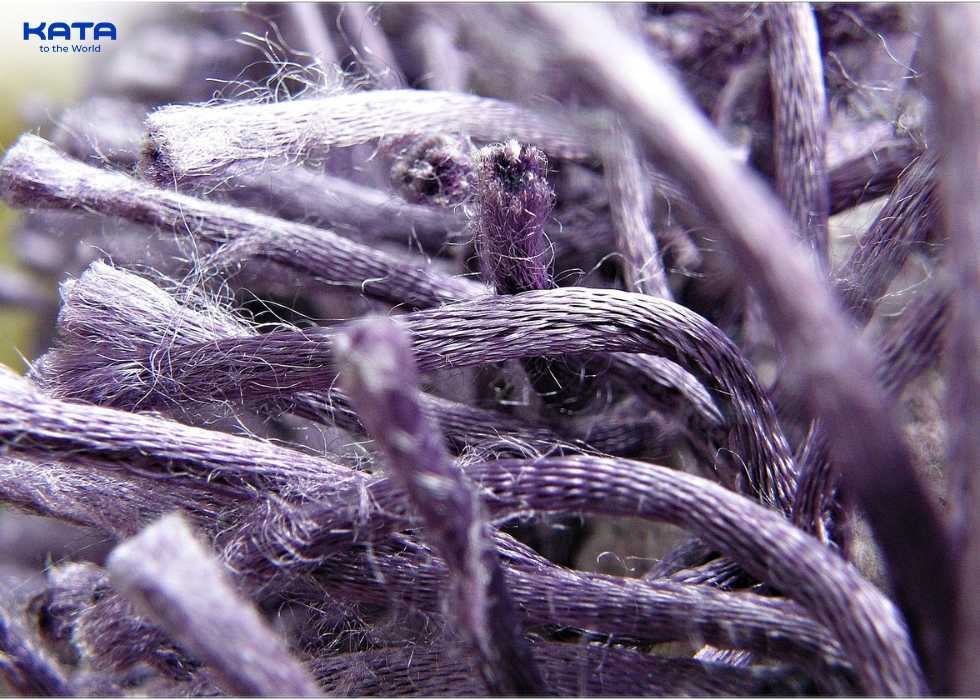
Fiber structure
Color Fastness
Color fastness is a critical factor in carpet quality, as it determines how well the carpet retains its color over time. Exposure to sunlight, cleaning agents, and daily wear can cause color fading. High-quality carpets undergo color fastness testing to ensure they remain vibrant and visually appealing even after prolonged use. Proper dyeing techniques and UV-resistant treatments enhance the longevity of the carpet’s color.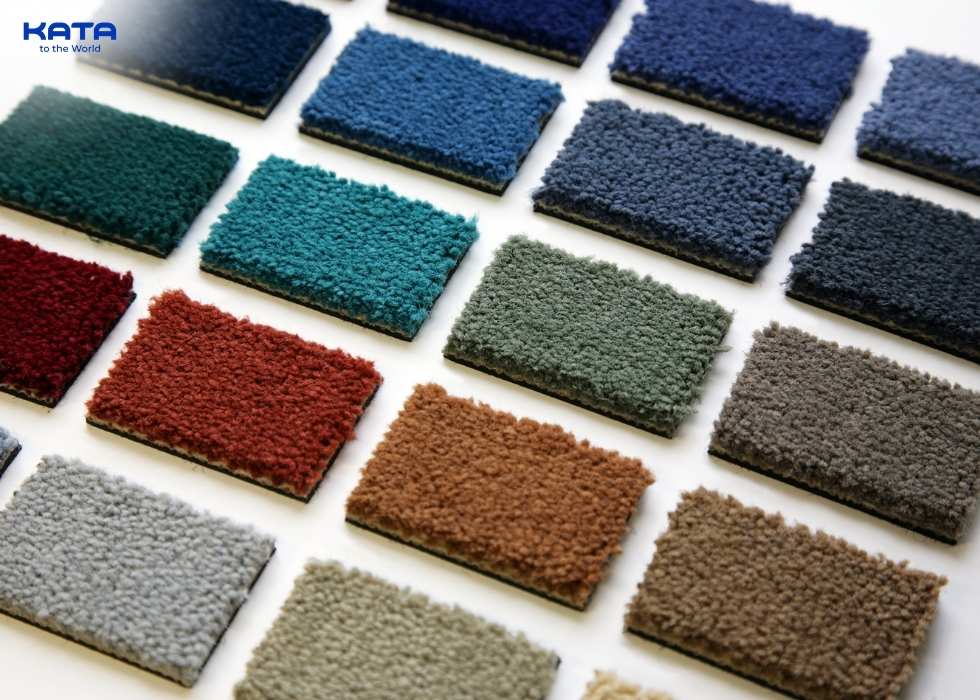
Color fastness
Carpet Backing
The backing or lining of a carpet plays a crucial role in maintaining its structural integrity and extending its lifespan. Quality carpets incorporate strong primary and secondary backing materials that improve stability and prevent fiber loss. Latex backing offers flexibility, while woven backings provide exceptional durability.Additionally, the type of carpet padding contributes to overall comfort and insulation. A well-constructed lining ensures that the carpet retains its shape and durability, particularly in areas that experience high foot traffic. Choosing a carpet with a robust backing enhances both its functionality and longevity.

Backing or lining of a carpet
Manufacturing Technology
Modern advancements in carpet manufacturing have revolutionized the industry, making carpets more durable, stylish, and easier to maintain. Thanks to precision weaving techniques and innovative fiber treatments, today's carpets offer superior stain resistance and enhanced longevity. Manufacturers now conduct rigorous quality testing to ensure carpets meet high industry standards and perform well in different environments.Technological innovations like solution-dyed fibers and moisture-resistant treatments help carpets retain their color, texture, and durability even with heavy use. Choosing a carpet produced with state-of-the-art manufacturing methods ensures a long-lasting investment that remains visually appealing for years.
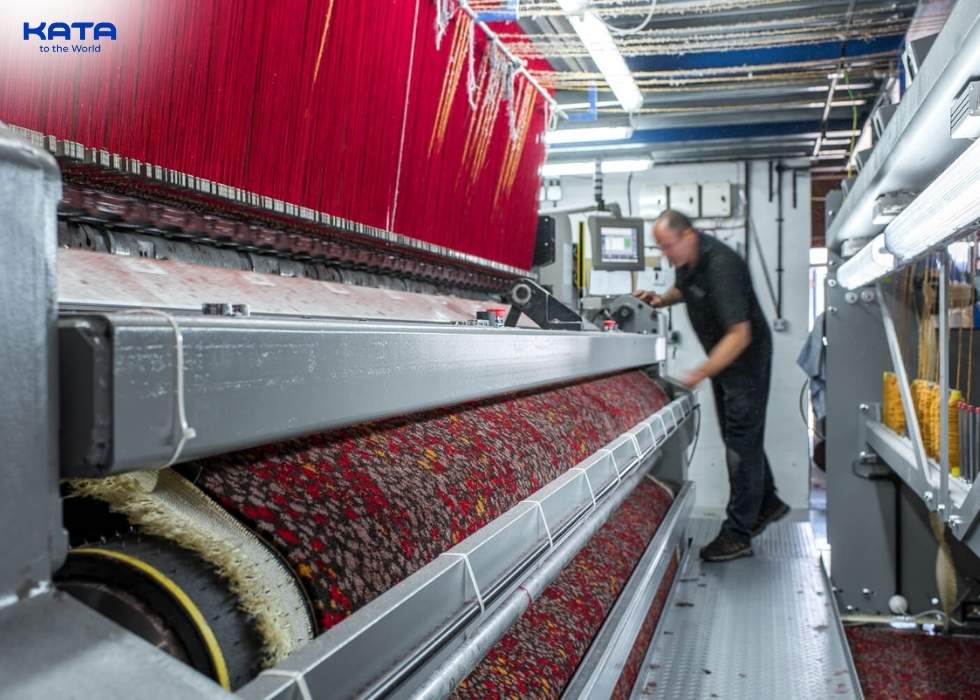
Manufacturing technology
Brand And Manufacturer
A carpet's brand and manufacturer can say a lot about its overall quality. Well-established brands with a strong reputation tend to use high-quality materials and expert craftsmanship, often backing their products with solid warranties. These companies continuously invest in research and innovation to improve durability and resistance to wear.Opting for a reputable brand gives buyers confidence in their purchase, ensuring they get a carpet that not only looks great but also stands the test of time. A well-made carpet from a trusted manufacturer is more likely to maintain its appearance and performance for years to come.

Carpet brands
Conclusion
Understanding what influences carpet quality is key to making the right choice when buying and maintaining one. Factors like material composition, weave technique, fiber density, and modern manufacturing methods all play a role in how long a carpet lasts and how good it looks. When selecting a carpet, it's important to consider not just these technical aspects but also the brand's reputation and how the carpet will be stored and used. By focusing on quality, consumers can enjoy a carpet that remains comfortable, visually appealing, and durable for years to come.
Other articles


COPYRIGHT 2021 © ALL RIGHT RESERVED KATAVINA


[×]
REGISTER AGENT
We will contact you as soon as possible