




Overview Of Synthetic Fibers: Definition, Characteristics And Types
Synthetic fibers have become a cornerstone of modern textiles and materials, offering a wide range of applications, from everyday carpeting to specialized industrial uses. With the growing demand for these fibers, it’s important to understand what synthetic fibers are, their characteristics, and the various types that exist. This article delves into the world of synthetic fibers, providing a comprehensive overview of their origins, properties, types, and the benefits and drawbacks of using them.
What Is A Synthetic Fiber?
In simple terms, synthetic fibers are fibers made from man-made materials, usually derived from petrochemicals. Unlike natural fibers, which come from plants or animals, synthetic fibers are created through chemical processes that polymerize molecules into long chains, forming the basic structure of the fiber. These fibers are typically designed to mimic the properties of natural fibers but often possess enhanced qualities that make them more versatile and durable in many applications.The process of creating synthetic fibers begins with the extraction of raw materials such as petroleum, natural gas, or coal, which are then chemically transformed into polymers. These polymers are subsequently spun into threads or yarns, which can be woven or knitted into fabric. The unique characteristics of synthetic fibers make them a preferred choice for various industries, ranging from fashion to automotive and healthcare.

Definition of synthetic fiber
Where Does Synthetic Fiber Come From?
The creation of synthetic fibers can be traced back to the early 20th century, with the invention of materials like nylon. Since then, advancements in chemical engineering and polymer science have allowed the development of an array of synthetic fibers that serve diverse purposes. Synthetic fibers are primarily made from petrochemicals, including oil and natural gas. The basic building block of these fibers is synthetic polymers, which are substances composed of long molecular chains.One of the most significant breakthroughs in the development of synthetic fibers was the creation of nylon by Wallace Carothers in 1935, followed by other important fibers such as polyester, acrylic, and spandex. Today, the manufacturing process is highly advanced, involving controlled polymerization processes, extrusion techniques, and spinning methods to create fibers that are tailored to specific needs.

Origin of synthetic fibers
Properties Of Synthetic Fibers
Synthetic fibers possess several distinctive properties that set them apart from natural fibers. Understanding these properties is essential for determining their suitability for various applications. Some of the key characteristics of synthetic fibers include:

Benefits of synthetic fibers
- Durability: Synthetic fibers are prized for their strength and durability. They are less prone to damage from abrasion, making them ideal for products that require longevity and strength.
- Moisture Resistance: Most synthetic fibers do not absorb moisture as natural fibers do. This makes them suitable for use in a variety of environments where moisture resistance is crucial, such as in outdoor clothing or water-resistant fabrics.
- Lightweight: Many synthetic fibers are lightweight compared to their natural counterparts. This makes them popular in the production of lightweight clothing, outdoor gear, and accessories.
- Elasticity: Certain synthetic fibers, like spandex, offer exceptional stretch and recovery, providing comfort and flexibility in garments. This makes them a staple in activewear and performance fabrics.
- Color Retention: Synthetic fibers tend to retain dye better than natural fibers, leading to vibrant, long-lasting colors in fabrics.
- Resistant to Insects and Mildew: Unlike natural fibers, synthetic materials are less likely to be damaged by insects or mold, which makes them suitable for use in environments where durability is key.
Benefits of synthetic fibers
Synthetic Fiber Types
Nylon Fiber
Nylon is one of the most popular synthetic fibers, known for its exceptional strength, elasticity, and resistance to abrasion. It is commonly used in hosiery, activewear, and industrial applications like ropes, parachutes, and airbags. Nylon has high tensile strength, making it a reliable choice for products that require durability and flexibility.Due to its moisture-wicking capabilities, nylon is a preferred material for sportswear and outdoor gear. Additionally, its resistance to mildew and chemicals makes it ideal for marine and automotive applications.

Nylon fiber
Polyester Fiber
Polyester is widely used in the textile industry due to its durability, wrinkle resistance, and moisture resistance. This fiber retains its shape well, making it ideal for clothing, home furnishings, and industrial applications such as conveyor belts and tire reinforcements.Polyester’s hydrophobic nature allows it to dry quickly, making it a staple in activewear and outerwear. Additionally, polyester can be blended with other fibers to enhance breathability and softness, offering a balance between comfort and resilience. Its recyclability has also led to the development of eco-friendly polyester variants that help reduce plastic waste.
=>>> Explore more articles: Discover the intricate process of carpet manufacturing

Polyester fiber
Acrylic Fiber
Acrylic fiber is often used as a substitute for wool, providing warmth without the heaviness. It is commonly found in sweaters, blankets, and upholstery. Acrylic is known for its color retention, softness, and resistance to insects and mildew, making it an excellent choice for winter clothing and home textiles.Unlike wool, acrylic fibers do not cause allergic reactions, making them a preferred option for people with sensitive skin. Additionally, acrylic fibers are highly resistant to UV exposure, which prevents fading and degradation over time, making them suitable for outdoor furniture and decorative fabrics.

Acrylic fiber
Polypropylene Fiber
Polypropylene is a lightweight synthetic fiber with excellent resistance to moisture, chemicals, and stains. It is widely used in activewear, medical textiles, carpets, ropes, and filtration fabrics. Due to its ability to wick away moisture, polypropylene is often found in performance fabrics designed for outdoor and sports activities.Unlike other synthetic fibers, polypropylene does not absorb water, making it highly resistant to mold and mildew. It is also used in geotextiles for construction and agricultural applications, providing reinforcement and stability to the soil. Additionally, its thermal insulation properties make it useful in cold-weather gear and packaging materials.

Polypropylene fiber
Spandex Fiber
Spandex, also known as elastane, is renowned for its remarkable elasticity, stretching up to five times its original length without losing shape. It is used in stretchable clothing such as leggings, swimsuits, and athletic apparel. Spandex enhances the comfort and flexibility of garments, allowing for freedom of movement and shape retention.This fiber is often blended with cotton, polyester, or nylon to improve stretchability and fit. Spandex is also widely used in compression garments, medical textiles, and performance gear due to its ability to provide support and flexibility while maintaining breathability and comfort.
=>>> Explore more articles: Comparing different types of carpets
Aramid Fiber
Aramid fibers are high-performance synthetic fibers known for their extreme heat resistance, strength, and durability. These fibers are used in bulletproof vests, aerospace materials, firefighting gear, and industrial applications where fire and heat resistance are critical.Aramid fibers, such as Kevlar and Nomex, are lightweight yet stronger than steel, making them ideal for protective clothing and military applications. They are also used in automotive and aerospace components to enhance safety and performance. Due to their high resistance to abrasion and chemical degradation, aramid fibers are frequently utilized in specialized reinforcement materials, such as reinforced brake pads and composite materials for structural engineering.
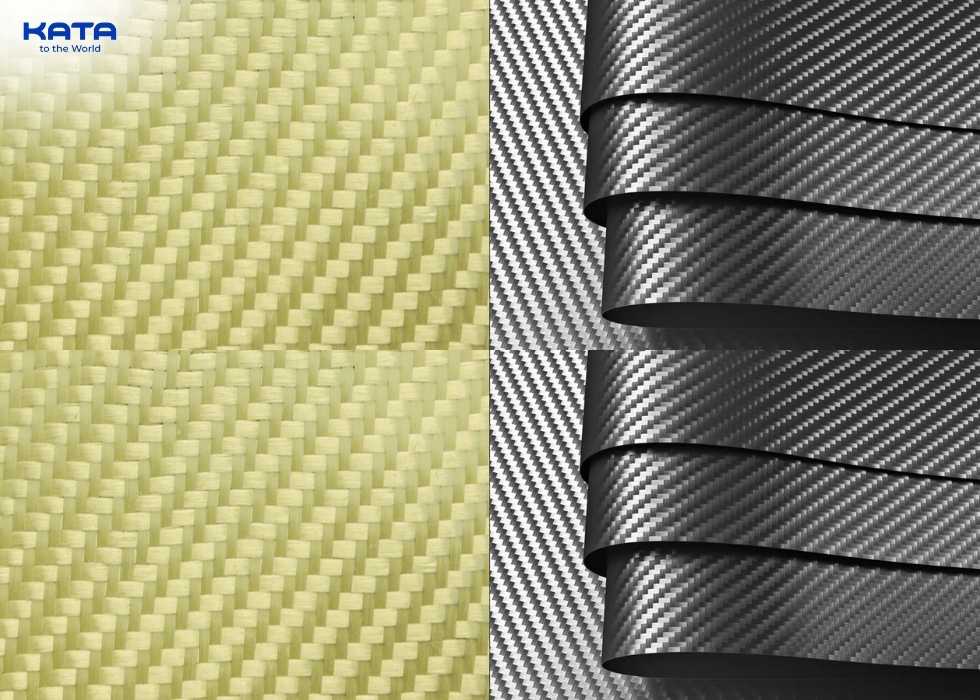
Aramid fiber
Synthetic Fiber Advantages
Synthetic fibers offer a wide range of benefits that have made them indispensable in modern industry. Some of the key advantages include:

- Cost-Effectiveness: Synthetic fibers are generally more affordable to produce than natural fibers, making them an attractive option for manufacturers and consumers alike.
- Variety and Versatility: The wide variety of synthetic fibers allows manufacturers to choose the most suitable material for each application, whether it requires strength, stretchability, or resistance to specific environmental conditions.
- Durability: As synthetic fibers are highly resistant to abrasion, moisture, and stains, products made from them typically have a longer lifespan compared to those made from natural fibers.
- Easier Maintenance: Fabrics made from synthetic fibers generally require less maintenance, as they are less likely to shrink, fade, or wrinkle.
- Sustainability: With advances in recycling technologies, some synthetic fibers, like polyester, are now being made from recycled materials, helping to reduce the environmental impact of their production.
Synthetic Fiber Disadvantages
While synthetic fibers offer numerous advantages, some downsides must be considered:

Disadvantages of synthetic fibers
- Environmental Impact: The production of synthetic fibers relies heavily on petrochemicals, contributing to environmental pollution. Additionally, the non-biodegradable nature of many synthetic fibers means they can persist in landfills for centuries.
- Health Concerns: Some synthetic fibers can cause skin irritation or allergic reactions in sensitive individuals, especially if they are used in clothing or bedding that comes into direct contact with the skin.
- Flammability: Certain synthetic fibers, like polyester and nylon, are highly flammable and can melt upon contact with heat or flames, posing a safety hazard.
- Limited Breathability: While synthetic fibers are moisture-resistant, they often lack the breathability of natural fibers, which can lead to discomfort in hot and humid conditions.
Disadvantages of synthetic fibers
FAQs: Synthetic Fibers
1. How are synthetic fibers different from natural fibers?Synthetic fibers are man-made and derived from petrochemicals, while natural fibers come from plants or animals. Synthetic fibers are often more durable, resistant to moisture, and cost-effective, but they can have a larger environmental impact.
2. Are synthetic fibers environmentally friendly?
While synthetic fibers offer certain environmental benefits, such as being made from recycled materials, their production still has a significant environmental footprint. Additionally, most synthetic fibers are not biodegradable and can contribute to long-term pollution.
3. Can synthetic fibers be recycled?
Yes, certain synthetic fibers, particularly polyester, can be recycled and reused in new products. However, the recycling process is not always as efficient or widespread as it is for natural fibers.
4. What are some common uses of synthetic fibers?
Synthetic fibers are used in a variety of products, including clothing, carpets, industrial textiles, medical supplies, and protective gear. Each fiber type is chosen based on its unique properties, such as strength, stretchability, or moisture resistance.
Other articles



COPYRIGHT 2021 © ALL RIGHT RESERVED KATAVINA


[×]
REGISTER AGENT
We will contact you as soon as possible