



What Is PVC Material for Car Floor Mats? High-grade Virgin vs Recycled Explained
For decades, PVC (Polyvinyl Chloride) has been widely used in automotive interior protection systems, particularly in heavy-duty car floor mats, thanks to its rugged durability and water resistance.
While PVC remains an affordable shield against the elements, the origin of that plastic – High-grade Virgin vs. Recycled PVC – makes a world of difference. In this guide, you’ll learn what PVC material is, why it’s widely used in car floor mats, and how virgin and recycled PVC differ in real-world performance.
1. What is PVC Material? A Comprehensive Breakdown
Polyvinyl Chloride, commonly known as PVC, is a high-strength thermoplastic polymer that has become a staple in modern manufacturing.
In its raw state, PVC is rigid, but when combined with specialized plasticizers, it becomes a flexible and resilient material—making it ideal for automotive protection products like car floor mats.
Why PVC Is Commonly Used in Car Floor Mats
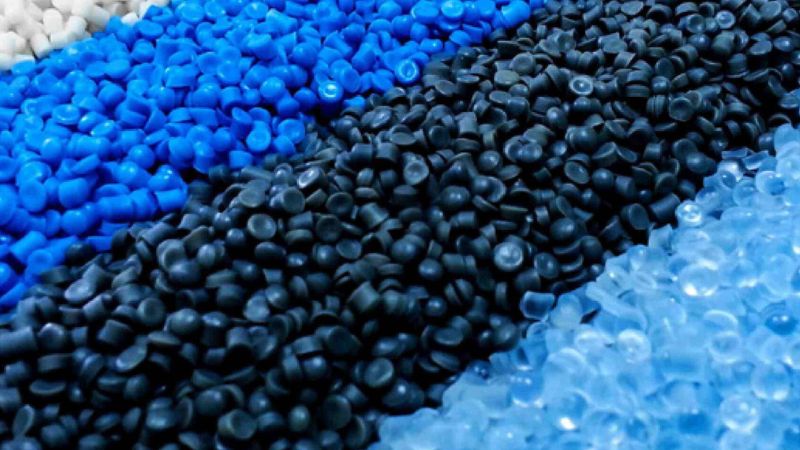
Raw PVC resin pellets used for manufacturing premium car floor mats.
The automotive industry favors PVC because it offers a unique combination of waterproofing, fire resistance, and chemical stability. Unlike traditional carpet, PVC doesn't absorb liquids; it holds them on the surface, making it the ideal material for all-weather floor liners designed to withstand road salt, spilled coffee, and muddy boots.
In the context of floor mats, PVC is prized for its:
-
Malleability: It can be injection-molded or 3D-pressed into intricate, custom shapes that match a vehicle’s floor pan perfectly.
-
Tensile Strength: It resists tearing and punctures, even under the constant friction of a driver’s heel.
-
Thermal Stability: Quality PVC maintains its shape in extreme heat and stays flexible in freezing temperatures.
However, the quality of these benefits depends entirely on the purity of the PVC source. While the polymer structure remains the same, the additives and history of the plastic determine whether your mat is a premium shield or a health hazard.
2. High-grade Virgin PVC vs Recycled PVC: The Invisible Difference
2.1 What is High-grade Virgin PVC?
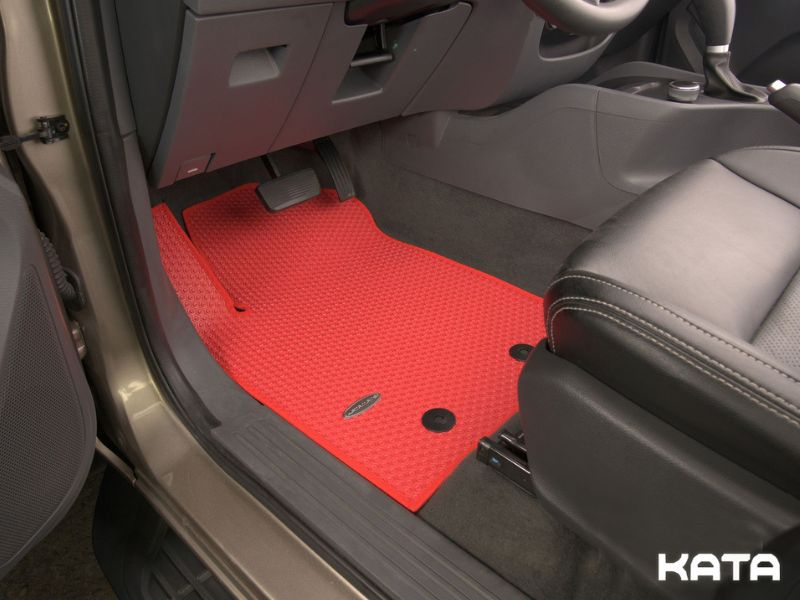
Premium car floor mat made from safe, high-grade virgin PVC material.
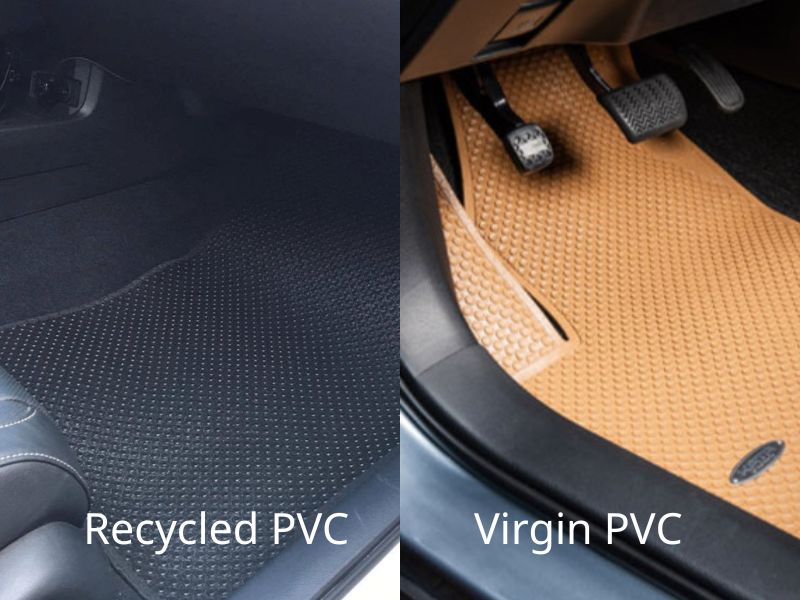
High-grade Virgin PVC is "new" plastic resin that has never been processed, melted, or molded into a product before. Think of it as the purest form of the material, fresh from the source.
Because it hasn't undergone the thermal stress of previous manufacturing cycles, its molecular integrity remains fully intact. This structural freshness results in a material that is naturally more flexible, durable, and resistant to UV degradation.
For car floor mats, this purity is essential. It means the material is free from the hidden contaminants, heavy metals, or volatile organic compounds (VOCs) that are often found in secondary-use plastics.
Choosing High-grade Virgin PVC ensures better molecular stability, improved durability, and a safer cabin environment.
2.2 What is Recycled PVC?
Recycled PVC is created by re-processing industrial scraps or post-consumer waste, such as old piping, window frames, or electrical cables.
While the eco-friendly headline is a powerful marketing tool, the reality of using recycled PVC in a confined car cabin is a bit of a “mystery meat” situation.
Every time PVC is reheated and remolded, its polymer chains shorten and weaken. This leads to a material that is naturally more brittle and prone to cracking, especially during a freezing winter or a blistering summer.
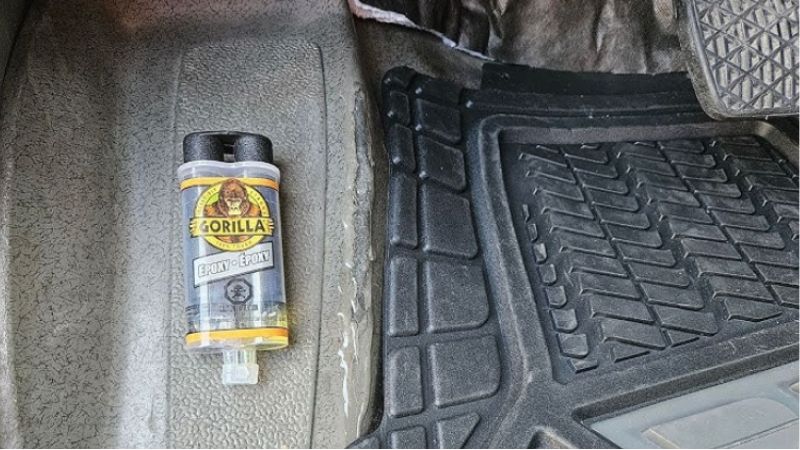
Worn and warped car floor mat made from low-quality recycled PVC.
Furthermore, because the source material is often a mixture of different plastic grades, recycled PVC frequently contains residual chemicals and stabilizers.
In recycled PVC, these impurities are the primary culprits behind that pungent, rubbery odor that lingers in your car for months. While it scores points for sustainability, it often fails on longevity and interior air quality.
3. Durability and Performance
3.1 Structural Integrity and Warping
The long-term durability of a floor mat is dictated by its molecular consistency. High-grade Virgin PVC consists of uniform polymer chains that expand and contract evenly. This allows the mat to retain its original flat profile and precision fit, even after hours in a sun-baked parking lot.
In contrast, recycled PVC often contains impurities – microscopic remnants of non-PVC plastics or aged stabilizers from its previous life. These foreign materials react inconsistently to thermal stress, causing the mat to warp, curl at the edges, or develop unsightly surface cracks long before its time.
3.2 Flexibility in Cold Weather
The real test of a mat occurs during winter, a performance dictated by its glass transition temperature. This is the thermal point where a polymer shifts from a flexible, rubbery state to a hard, brittle one.
As you learn more about PVC material, High-grade virgin PVC is engineered with specific plasticizers to keep its temperature well below freezing, ensuring it remains pliable when you pull it out for a mid-winter wash.
Because recycled mats have already lost these vital oils through multiple re-processing heat cycles, they often reach their shatter point in typical winter temperatures. Instead of bending, a lower-grade recycled mat is prone to snapping under pressure.
4. The Health Aspect: Off-Gassing and VOCs
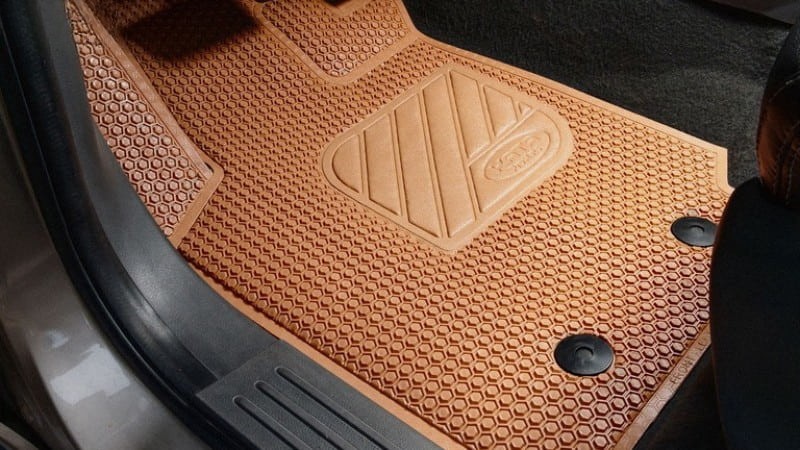
Recycled PVC, due to its varied sourcing, often requires additional stabilizers and plasticizers to restore flexibility and durability. As a result, recycled PVC mats may emit a stronger odor when new, particularly in high-heat environments. This lingering smell is frequently associated with VOC emissions during the initial usage period.
This is where the distinction between recycled and High-grade Virgin PVC becomes especially important. Premium virgin PVC is typically engineered under controlled formulations and is often manufactured to be phthalate-free, meeting stricter safety standards for human contact. In contrast, recycled PVC batches can vary in composition depending on their industrial source. While many manufacturers implement quality controls, variability in raw input materials can make consistent purity more challenging to guarantee.
For drivers who prioritize air quality and long-term cabin comfort, material transparency matters. Choosing High-grade virgin PVC from reputable manufacturers can help ensure a cleaner, more breathable interior environment — an important consideration, especially for families with young children.
To better understand how to evaluate safe interior materials, read more: A Guide to Non-Toxic Materials for Car Floor Mats.
5. Environmental Impact: The Recycled PVC Dilemma
At first glance, recycled PVC is the sustainability champion, diverting plastic waste from landfills and reducing the need for new petroleum-based resins. It’s a compelling circular economy narrative.
However, true environmental impact is defined by product longevity and not only in solving the basic question of what is PVC material.
If a High-grade Virgin PVC mat protects your vehicle for 15 years, lower-quality recycled mats may crack sooner, while high-quality recycled mats can last longer, though typically still below Virgin PVC longevity.
Investing in a single, high-durability mat often results in a smaller total carbon footprint than a constant cycle of low-quality replacements.
6. How to Identify Quality PVC Floor Mats Before You Buy
6.1 The “Sniff Test”
One of the most immediate ways to identify what is PVC material quality is the sniff test. High-grade Virgin PVC is virtually odorless.
If you open a new set of mats and are met with a pungent, rubbery, or chemical-like stench that fills the room, you are likely dealing with low-grade recycled scrap. These odors are the result of VOCs and cheap plasticizers leaching out of the material.
A quality KATA floor mat allows you to drive with the windows up on a hot day without causing a headache or a lingering chemical film on your windshield.
6.2 Weight and Density
While lightweight is usually a positive in automotive parts, floor mats are the exception. High-grade Virgin PVC is typically denser and heavier than its recycled counterparts. This added mass is a key functional benefit; it allows the mat to lay perfectly flat against the floorpan and provides a superior grip.
Recycled mats are often thinner and foamy or overly stiff, making them prone to sliding forward – a genuine safety hazard if they interfere with your pedals. A heavy, dense mat feels substantial underfoot and signifies a higher concentration of pure polymer.
6.3 Certification Check
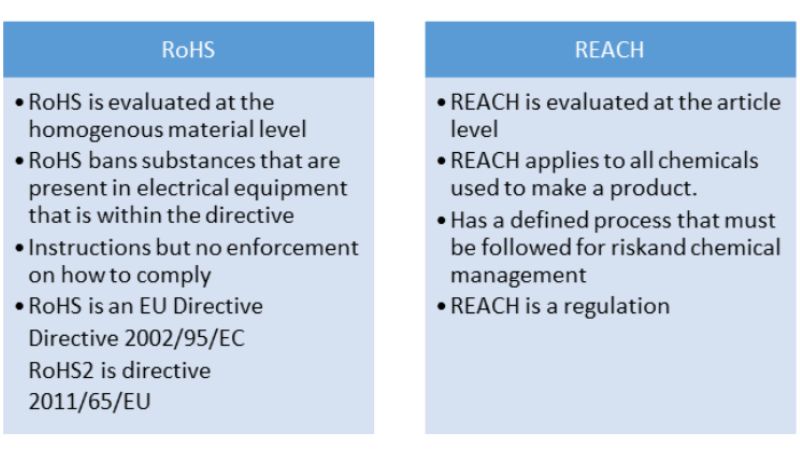
SGS, RoHS, and REACH safety certifications for high-quality PVC car floor mats.
Don't just take the manufacturer’s word for it. When it comes to what is PVC material and its safety level, look for documented proof of it. High-grade Virgin PVC manufacturers often seek out third-party testing to prove their products are non-toxic.
Specifically, look for REACH (Registration, Evaluation, Authorisation, and Restriction of Chemicals) or RoHS (Restriction of Hazardous Substances) certifications. These international standards regulate the use of lead, mercury, and harmful phthalates.
If a brand cannot provide these certifications, there is a high probability that their recycled batches contain unregulated chemical fillers.
Conclusion: Making the Right Choice for Your Vehicle
When it comes to interior protection, the material you choose dictates your daily driving experience. While recycled PVC may appeal to the budget-conscious or those looking for a quick green fix, it often introduces hidden costs through premature cracking and toxic off-gassing.
For the discerning owner, High-grade Virgin PVC is the undisputed winner. By prioritizing purity, you are investing in a healthier cabin environment, a precision fit that stays secure, and the kind of long-term durability that lasts for decades.
That’s a wrap for your “What is PVC material” 101 lesson. To equip your car with a set of premium floor mats made from High-grade Virgin PVC, don’t hesitate to contact Katamats.com and get professional advice on your next satisfying purchase.
=> Read More: Choosing the Right Car Floor Mat: Rubber, TPE, or PVC?
Other articles
TPE vs Rubber vs PVC Floor Mats: Which Material Is Actually Best?
A Guide to Non-Toxic Materials for Car Floor Mats
7 Best Car Floor Mats for Winter 2026 (Tested for Snow, Salt & Slush)



