




How To Get Rid Of Mold On Outdoor Carpets? Carpet Cleaning Tips
Outdoor carpets add comfort and aesthetic appeal to patios, decks, and other exterior spaces. However, exposure to moisture and organic debris makes them a prime breeding ground for mold. If left unchecked, mold not only damages the carpet fibers but also poses health risks. In this guide, I’ll walk you through how to remove mold from outdoor carpets effectively and ensure they stay mold-free in the long run.
What Is Mold?
Mold is a fungus that is particularly fond of damp, warm conditions. It spreads through microscopic spores that latch onto moist surfaces, feeding on organic material. Mold growth on outdoor carpets is often identified by black, green, or white patches and a musty odor. Aside from being unsightly, prolonged mold exposure can cause allergic reactions and respiratory issues.
What is mold?
Why Do Outdoor Carpets Often Have Mold?
Outdoor carpets are constantly exposed to the elements, making them vulnerable to mold growth. The primary reasons include prolonged exposure to rain and humidity, poor drainage that traps moisture beneath the carpet, organic debris like leaves and dirt that provide food for mold, and lack of sunlight, which allows damp conditions to persist.Things You'll Need To Remove Mold
Before tackling mold removal, gathering the right tools and materials is essential. Using the correct cleaning agents and protective equipment ensures a thorough and safe cleaning process.Essential Protective Equipment
Since mold spores can be harmful when inhaled or come into contact with your skin, protective gear is necessary:- Gloves to protect your hands from mold and cleaning solutions
- N95 respirator mask to prevent inhalation of mold spores.
- Safety goggles to shield your eyes from airborne particles and cleaning agents.
- Long-sleeved clothing to minimize skin exposure and prevent irritation.

Necessary protective equipment
Cleaning Solutions And Tools
For effective mold removal, you’ll need the following:- Stiff-bristle brush to scrub deep into the carpet fibers.
- Bucket for mixing cleaning solutions.
- Garden hose or pressure washer to rinse off mold and cleaning agents.
- Absorbent towels for drying the carpet thoroughly.
- White vinegar, baking soda, and hydrogen peroxide as natural alternatives.
- Oxygen bleach or mold-removing detergent for stubborn mold infestations

Cleaning solutions and tools
Clean The Outdoor Carpet Before Treating For Mold
Vacuum the CarpetUse a shop vac to remove loose dirt, dust, and debris. This step prevents dirt from mixing with the cleaning solution, which could make the mold removal process less effective.
Shake Out or Sweep Debris
If vacuuming isn't an option, take the carpet outside and shake it vigorously to remove loose dirt. Alternatively, use a broom to sweep off as much debris as possible.
Pre-Rinse with Water
Using a garden hose, rinse the carpet thoroughly to remove surface grime. A strong spray setting helps loosen embedded dirt and makes it easier for cleaning agents to penetrate the carpet fibers.
Check for Embedded Dirt
Run your hand across the carpet’s surface to check for any remaining dirt. If necessary, repeat the rinsing process or use a brush to agitate stubborn grime before applying mold removal solutions.
=>>> Explore more new articles: Can outdoor carpet get wet
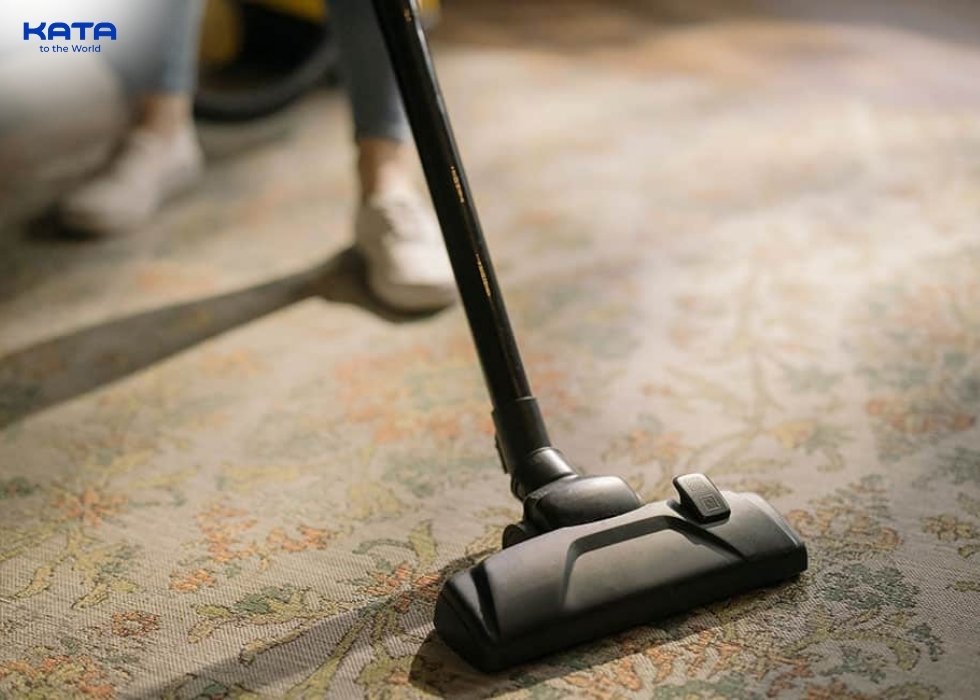
Clean outdoor carpet before treating mold
Mold Removal Process For Outdoor Carpets
Once the outdoor carpet is free of dirt and debris, it's time to address the mold problem directly. To ensure an effective deep clean, I follow these carefully structured steps that not only remove mold but also prevent it from recurring.Step 1: Apply The Cleaning Solution
Depending on the severity of the mold, I either spray a vinegar and water solution (equal parts) or use a commercial mold remover. For heavily infested carpets, I prepare a mixture of oxygen bleach and water, following the product’s instructions. I ensure the carpet is saturated but not excessively soaked, as too much moisture can prolong drying time.

Use a commercial mold remover
Step 2: Scrub The Carpet
Using a stiff-bristle brush, I work the solution into the affected areas using firm, circular motions. This helps lift the mold from deep within the fibers. For stubborn patches, I reapply the solution and continue scrubbing until the mold starts to break apart.
Step 3: Let The Solution Sit
Allowing the solution to sit for at least 15–30 minutes ensures it penetrates deeply to kill mold spores. If I’m using a commercial cleaner, I always check the label for recommended dwell times. During this period, I avoid stepping on the carpet to prevent spreading mold to unaffected areas.

Soak in solution for 15 minutes
Step 4: Rinse Thoroughly
Using a garden hose with a strong spray setting or a pressure washer on a low setting, I rinse off the cleaning solution completely. I make sure no residue is left behind, as leftover chemicals can attract dirt and lead to quicker mold regrowth.
Step 5: Dry The Carpet Completely
Since mold thrives in moisture, thorough drying is crucial. I place the carpet in direct sunlight, flipping it every few hours to ensure even drying. If the carpet is permanently installed, I use fans and dehumidifiers to speed up the process. For extra protection, I check for any lingering damp spots before returning the carpet to its original place.
=>>> Explore more new articles: Discover the ideal type of carpet for your lifestyle

Dry the carpet completely
Long-term Mold Prevention For Outdoor Carpets
- Ensure Proper Drainage: Water pooling underneath the carpet encourages mold growth. Installing a proper drainage system or using a breathable rug pad helps prevent moisture buildup.
- Regular Cleaning: Sweeping away debris and vacuuming periodically reduces the organic material that mold feeds on.
- Use Mold-Resistant Treatments: Spraying the carpet with a mold-resistant solution or using anti-fungal sprays provides an added layer of protection.
- Improve Sunlight Exposure: Sunlight is a natural mold killer. If possible, reposition your carpet periodically to allow it to dry completely.
- Store Rugs During Wet Seasons: If your outdoor carpet is movable, storing it during rainy months prevents unnecessary exposure to moisture.
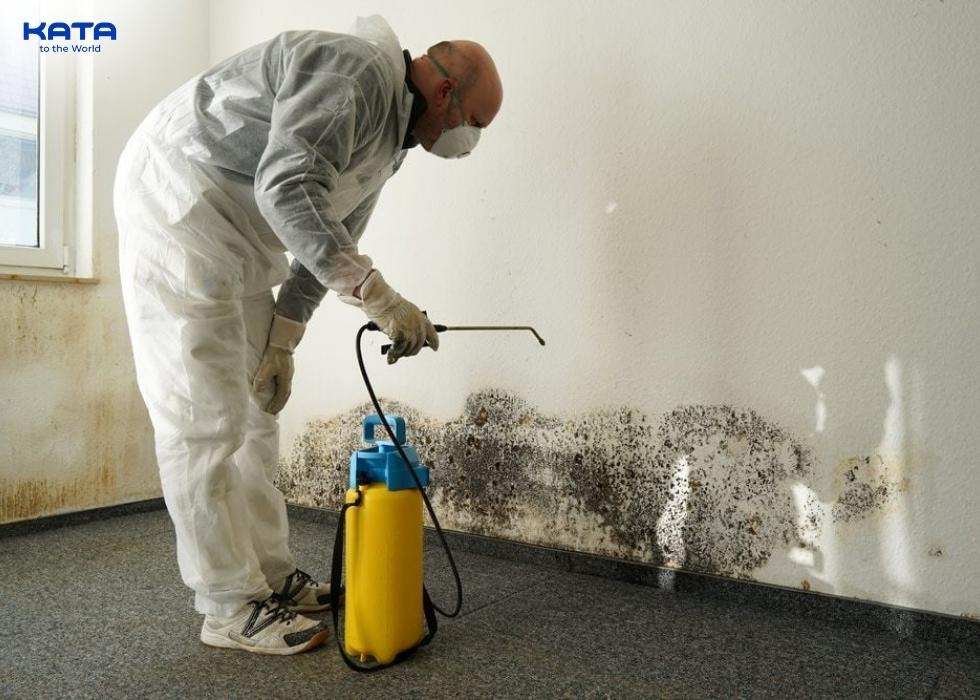
Mold prevention for outdoor carpets
When To Hire A Professional
While DIY mold removal works for most cases, severe mold infestations may require professional cleaning. If the mold covers a large portion of the carpet, has deeply penetrated the fibers, or keeps returning despite repeated cleaning, calling a professional carpet cleaner is the best option. They have specialized equipment and treatments that effectively eliminate mold while preserving the carpet’s quality.Conclusion
Dealing with mold on outdoor carpets can be frustrating, but with the right approach, it’s manageable. Understanding why mold forms, using effective cleaning techniques, and implementing preventative measures are key to maintaining a clean and mold-free outdoor carpet. By following these steps, you’ll extend your carpet’s lifespan and enjoy a healthier outdoor space. If mold issues persist, seeking professional assistance ensures a thorough solution.
Other articles




COPYRIGHT 2021 © ALL RIGHT RESERVED KATAVINA


[×]
REGISTER AGENT
We will contact you as soon as possible