




How To Clean Moss Off Outdoor Carpet? A Step-By-Step Guide
Outdoor carpets enhance patios and decks but are prone to moss growth. Without intervention, moss weakens the fabric, creates slippery surfaces, and diminishes the carpet’s appeal. From my experience tackling moss, I’ve found effective ways to remove it and keep it from returning. This guide outlines a step-by-step approach to help you maintain a clean, moss-free carpet.
What Is Moss?
Moss is a small, moisture-loving plant that flourishes in damp, shaded environments. Unlike traditional plants, it lacks roots and instead absorbs water directly through its leaves. This adaptability allows moss to establish itself on a variety of surfaces, including outdoor carpets. When carpets retain moisture from rain or dew and accumulate organic debris like leaves and dirt, they create the perfect breeding ground for moss. Over time, if left unchecked, moss can spread rapidly, covering large areas and making the surface more slippery and difficult to clean.
Definition of moss
What Makes Outdoor Carpets Susceptible To Moss?
Outdoor carpets are constantly exposed to the elements, which makes them highly susceptible to moss growth. Factors such as excess moisture from rain, morning dew, and poor drainage can create an ideal breeding ground. If your carpet is placed in a shaded area where sunlight is limited, moss will have even better conditions to grow. Additionally, organic matter like fallen leaves and dirt provides the nutrients moss needs to thrive.
Causes of moss on outdoor carpets
The Harmful Effects Of Moss On Outdoor Carpets
Moss growth isn’t just an aesthetic concern; it poses several risks to both safety and durability. The slippery surface increases the likelihood of accidents, especially in wet conditions. Additionally, moss retains excess moisture, creating an environment where mold and mildew can thrive, further weakening the carpet fibers. Over time, the constant dampness can lead to fiber decay, reducing the carpet’s lifespan significantly.Discoloration is another issue, making the carpet appear aged and neglected. The longer moss is left untreated, the harder it becomes to remove, potentially leading to permanent damage. Tackling moss early ensures your outdoor carpet remains visually appealing, structurally sound, and safe for daily use.
=>>> Discover more new articles: Can outdoor carpet get wet
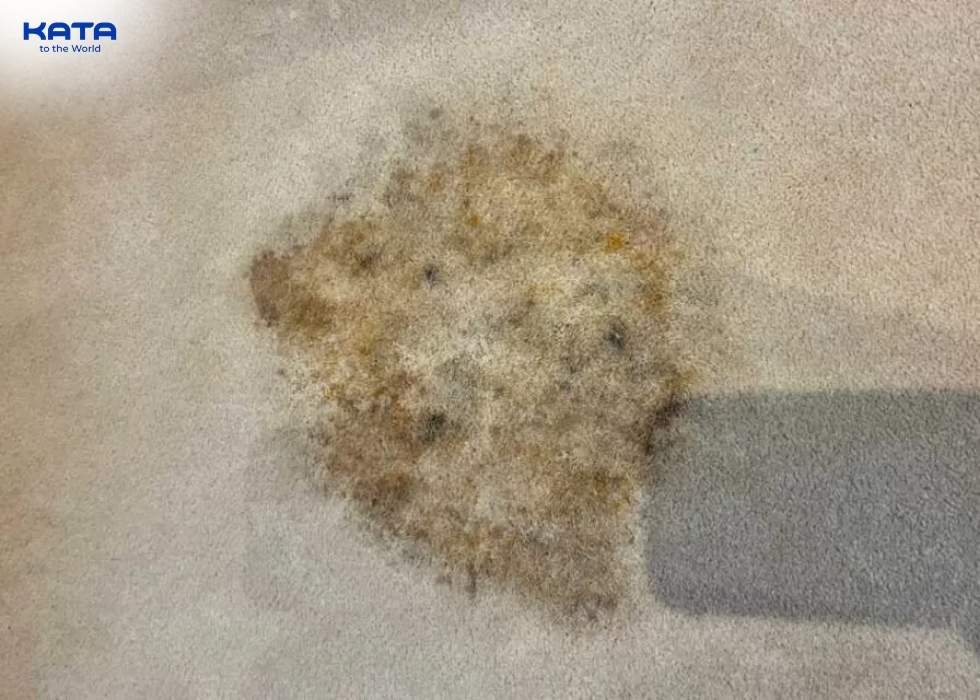
The harmful effects of moss on outdoor carpets
Moss Removal Preparation On Outdoor Carpets
Necessary Safety Gear
- Rubber Gloves – Protect your hands from harsh chemicals and cleaning solutions.
- Safety Goggles – Shield your eyes from accidental splashes, especially when using commercial moss removers.
- Face Mask – Prevent inhalation of mold spores or strong chemical fumes while scrubbing moss-infested areas.
- Non-Slip Footwear – Ensure stability on wet or slippery surfaces to avoid accidents during cleaning.
Prepare Tools And Cleaning Solutions
- Stiff-Bristle Brush or Push Broom – Essential for scrubbing moss off the carpet fibers.
- Hose or Pressure Washer – Helps rinse away moss and cleaning solution efficiently.
- Bucket – Useful for mixing and applying cleaning solutions.
- Natural Cleaners (Vinegar & Baking Soda) – Eco-friendly options that effectively break down moss.
- Chemical Moss Removers – Stronger alternatives for stubborn moss infestations.

Moss removal preparation on outdoor carpets
Steps To Remove Moss From Outdoor Carpet
Step 1: Sweep The CarpetBegin by removing any large debris, such as leaves, twigs, or dirt clumps, using your hands or a handheld brush. Next, use a push broom with stiff bristles to sweep the carpet thoroughly, ensuring you remove as much loose dirt and organic material as possible. Pay close attention to areas where moss is thickest, as debris tends to accumulate in these spots. If the carpet is heavily soiled, consider using a vacuum with a brush attachment to lift embedded dirt before proceeding with the cleaning solution.
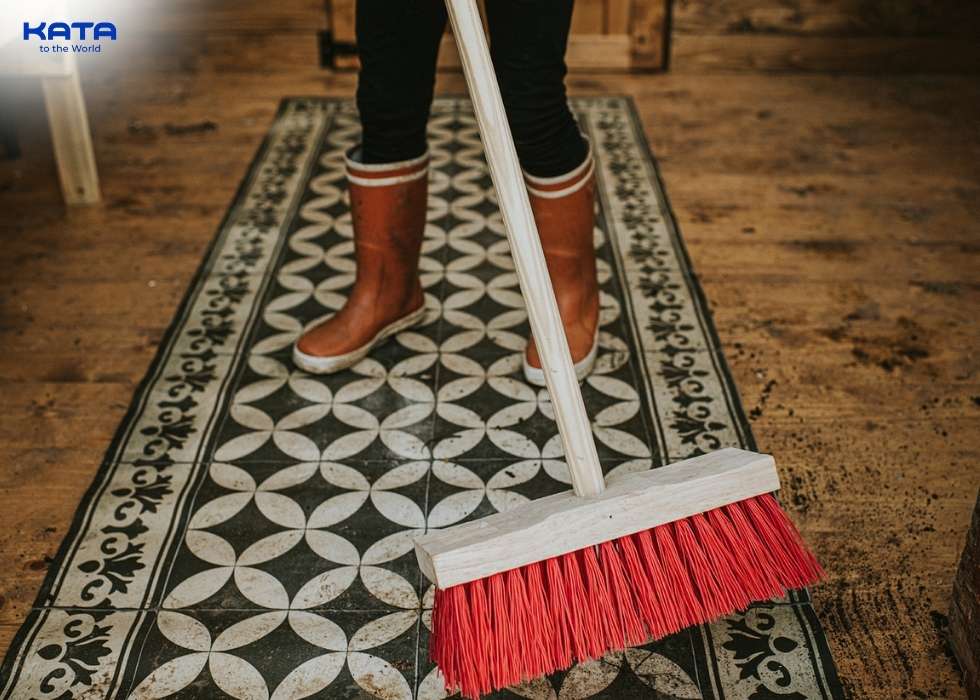
Sweep the outdoor carpet
Step 2: Apply A Cleaning Solution
Begin by generously spraying or pouring the solution over the moss-covered sections of the carpet, ensuring complete coverage. Pay special attention to heavily infested areas, as these will require a more concentrated application. Let the solution sit undisturbed for at least 15-30 minutes, allowing it to penetrate and weaken the moss structure. If using a commercial remover, follow the manufacturer’s recommended wait time to ensure optimal effectiveness. For best results, avoid direct sunlight during application, as it may cause the solution to evaporate too quickly before fully breaking down the moss.
Step 3: Scrub the Moss Away
Using a stiff-bristle brush, scrub the mossy areas with firm, circular motions, applying consistent pressure to lift the moss from the carpet fibers. For larger carpets, a deck brush with a long handle can make this step easier by covering a larger surface area efficiently. If the moss is deeply embedded, consider dipping the brush into the cleaning solution before scrubbing to enhance the removal process. Work systematically, starting from one edge and progressing evenly to ensure no spots are missed.
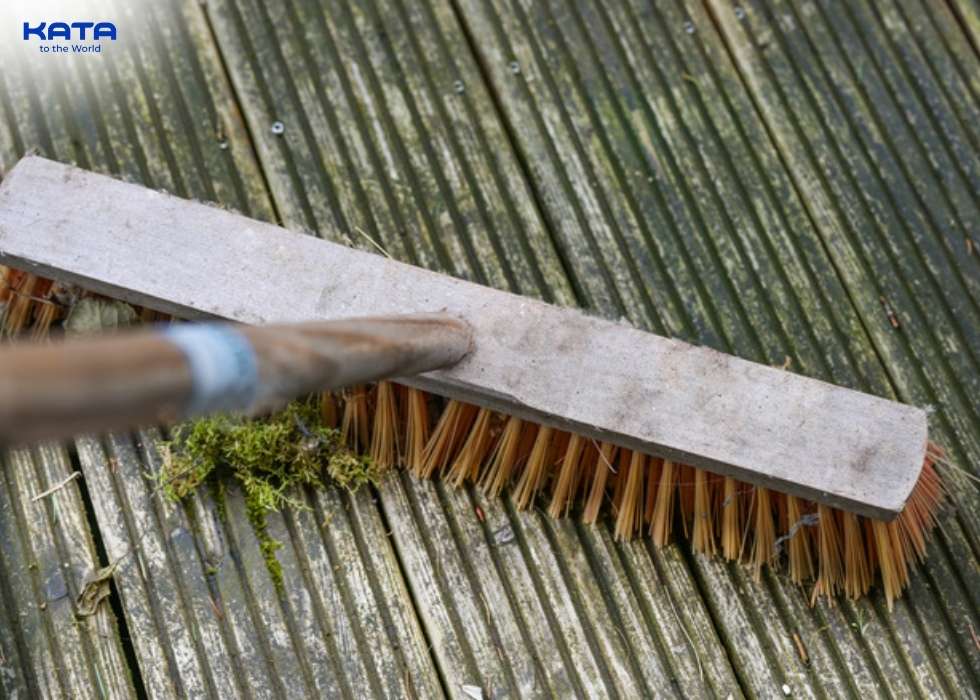
Scrub the mossy areas with firm
Step 4: Rinse Thoroughly
Use a garden hose with moderate water pressure to thoroughly rinse away the moss and cleaner residue, ensuring no solution is left behind that could attract new growth. For stubborn moss, a pressure washer set to low can be used to dislodge deep-seated patches, but it’s crucial to maintain a safe distance and avoid excessive pressure that could fray or weaken the carpet fibers. Move systematically across the surface, starting from one end and working towards the other to prevent spreading debris back onto cleaned areas. If needed, repeat the rinsing process until the carpet is completely moss-free.
Step 5: Let It Dry Completely
Lay the carpet in direct sunlight to dry completely, ensuring that no moisture remains trapped in the fibers. If possible, place the carpet on an elevated surface or hang it over a railing to allow airflow underneath, which speeds up the drying process. Sunlight not only helps evaporate moisture quickly but also acts as a natural disinfectant, reducing the chances of moss regrowth. If direct sunlight is not available, consider using a fan or dehumidifier in a well-ventilated area to achieve thorough drying before placing the carpet back in its original location.
=>>> Discover more new articles: Enhance your home with the right type of carpet

Let the outdoor carpet dry
Step 6: Inspect And Repeat If Necessary
Thoroughly inspect the carpet under proper lighting to ensure no moss patches remain. Pay close attention to corners, edges, and areas where moisture tends to accumulate, as these spots are more prone to moss regrowth. If you find any lingering moss, reapply the cleaning solution and let it sit for an additional 10–15 minutes before scrubbing again. Use a detailed brushing motion to target stubborn patches, and rinse thoroughly to remove all residues. Repeat the drying process to prevent any moisture from attracting new moss growth. Continue checking periodically to ensure long-term cleanliness.
Preventing Moss Growth On Outdoor Carpets In The Future
Once your carpet is moss-free, taking preventive measures will help maintain its condition. Regular maintenance is key - sweeping away organic debris and ensuring proper drainage reduces the chances of moss returning. If your carpet is in a shaded area, consider repositioning it to receive more sunlight. Using a water-repellent spray can help minimize moisture retention. Additionally, periodic deep cleaning with a mild solution keeps moss spores at bay.Other articles




COPYRIGHT 2021 © ALL RIGHT RESERVED KATAVINA


[×]
REGISTER AGENT
We will contact you as soon as possible