




Install Outdoor Carpet: From Preparation To Installation Steps
Installing an outdoor carpet enhances both the look and durability of your patio or deck. Choosing the right carpet and following proper installation steps ensures long-lasting results. Based on my experience, I'll guide you through the process, covering preparation, installation, and common challenges so you can achieve a professional finish.
Tools And Supplies For Outdoor Carpet Installation
To achieve a flawless installation, gather all the necessary tools and materials beforehand. Getting everything ready will make the process easier and more efficient.- Utility knife: Essential for precise cuts.
- Measuring tape: Ensures accurate dimensions.
- Chalk line: Helps mark straight guidelines for placement.
- Outdoor carpet adhesive: Applied with a notched trowel for strong adhesion.
- Seam sealer: Prevents fraying and secures carpet seams.
- Carpet roller: Presses the carpet down, eliminating air pockets.
- Double-sided carpet tape: An alternative to glue for carpet tiles.
- Industrial-grade stapler: Recommended for stapling installations.

Tools and supplies for installing outdoor carpets
Preparing The Surface For An Outdoor Carpet
Thorough preparation is essential for a successful outdoor carpet installation. A well-prepared surface ensures strong adhesion and long-term durability while neglecting this step can result in premature damage, bubbling, or even mold growth.Clean The Floor Surface
Start by thoroughly cleaning the surface where the carpet will be installed. Any dust, debris, or moisture can weaken the adhesive and cause imperfections. If the floor has cracks or uneven areas, repair them before proceeding. For wooden decks, ensure the planks are secure and free of splinters. If you're installing on concrete, check for any existing coatings or sealants that may interfere with adhesion.
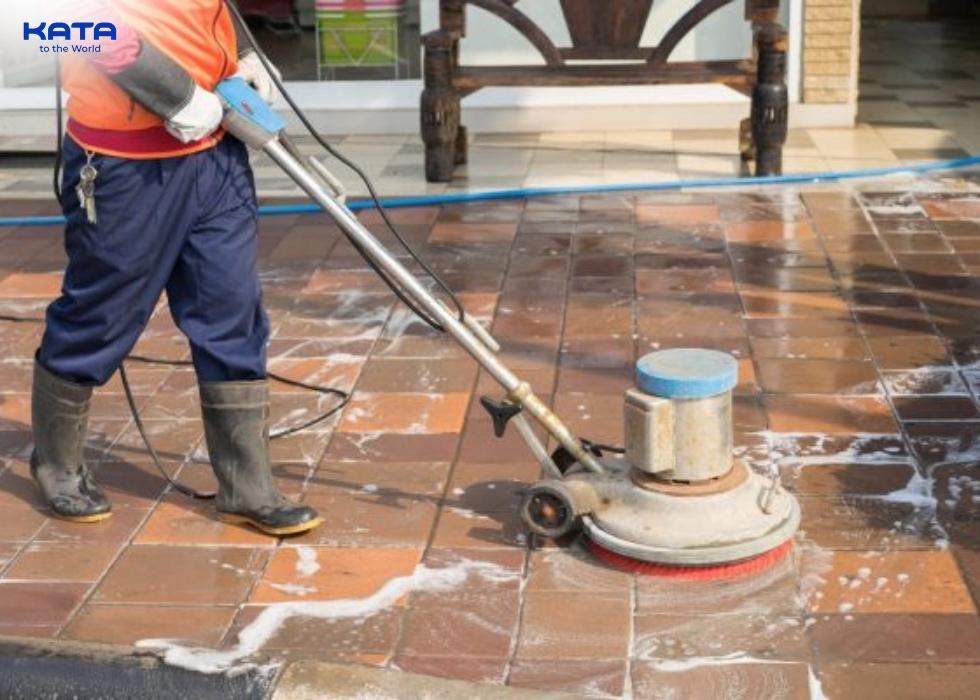
Clean floor surface
Measure And Buy An Outdoor Carpet
Accurate measurements are critical in selecting the right carpet size. Use a measuring tape to determine the dimensions of your space, and consider adding a few extra inches for trimming. When purchasing an outdoor carpet, opt for materials resistant to moisture, UV rays, and mildew, such as polypropylene or olefin. These options provide durability and weather resistance, making them ideal for outdoor environments.
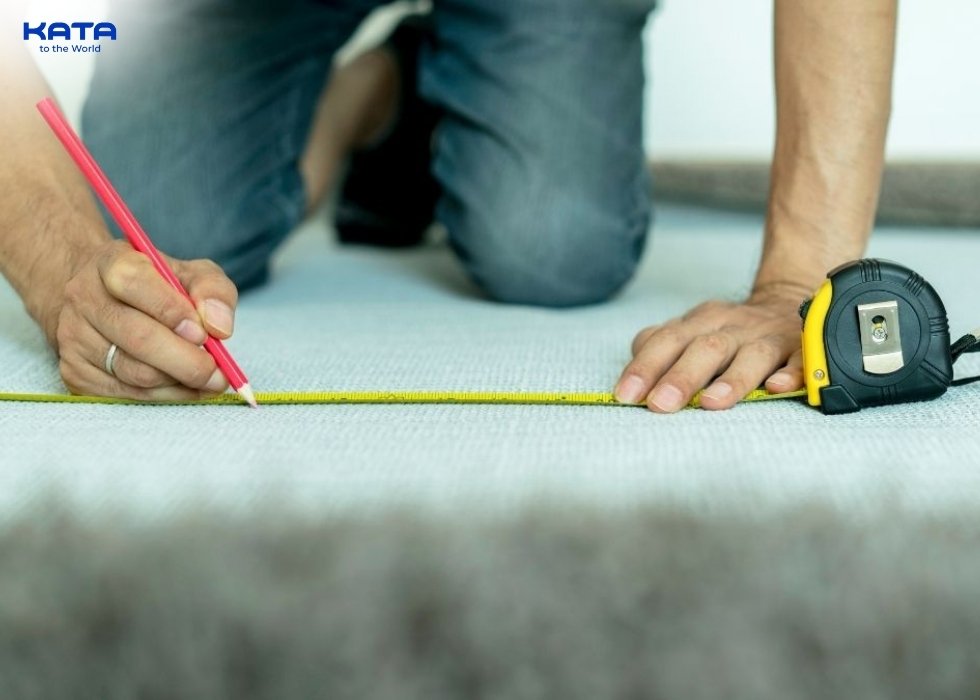
Measure and buy outdoor carpets
Choose The Size And Type Of Outdoor Carpet To Install
Outdoor carpets are available in different styles, each serving specific needs. Broadloom rolls provide a seamless, uniform look and are best suited for covering large areas, while modular tiles offer flexibility, allowing you to replace sections easily if damaged.When selecting a carpet, consider the texture and pile height. Low-pile carpets are ideal for high-traffic areas due to their durability and ease of cleaning, while plush carpets provide a softer, more comfortable feel underfoot.
It's also important to check the backing material. A rubber backing enhances slip resistance and durability, making it suitable for areas exposed to moisture. Marine backing is specifically designed to withstand prolonged exposure to water, making it an excellent choice for decks, patios, or poolside areas.
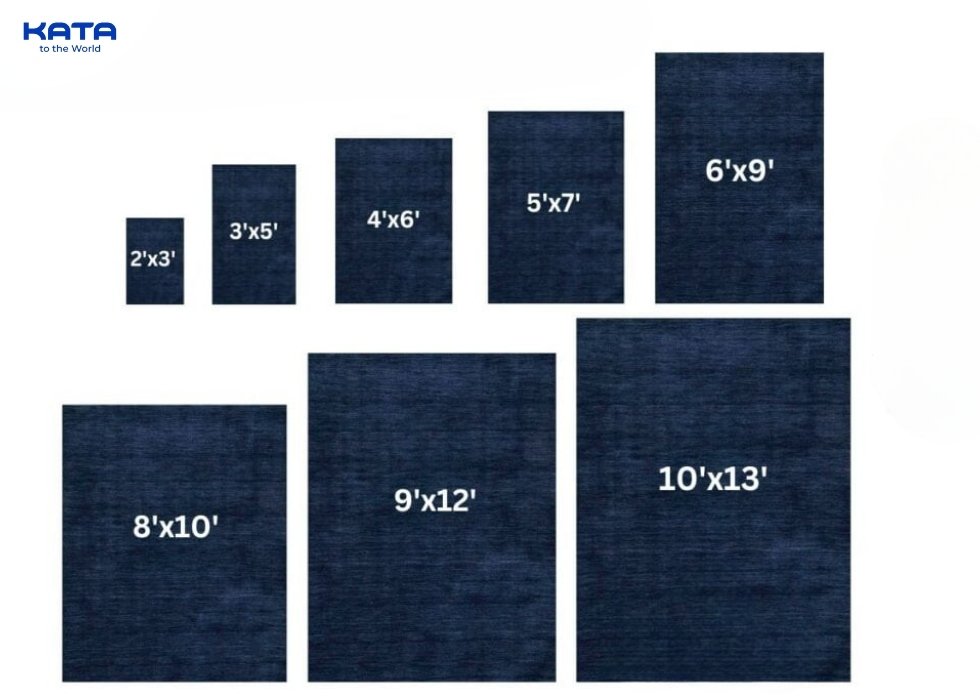
Choose the size of outdoor carpet to install
Steps To Install An Outdoor Carpet
Lay Out The CarpetUnroll the carpet over the installation area and let it acclimate for at least 12 to 24 hours. This allows the material to adjust to temperature and humidity changes, preventing expansion or shrinkage post-installation. For large carpets, align the edges carefully to minimize seams. If needed, use weights or heavy objects to keep the carpet flat and prevent curling.
=>>> Check out this brand new article: How to clean outdoor carpet
Cut To Size
Using a sharp utility knife and a straightedge, carefully trim the carpet to match the dimensions of the installation area. Leave about an inch of overhang on all sides to allow for final adjustments and a snug fit along edges and corners. If working with patterned carpets, ensure the pattern aligns correctly before cutting.

Cut the carpet to fit the size of the installation area
Apply Adhesive Or Tape
Select the best fastening method based on the surface type and carpet material. For broadloom carpets, use a notched trowel to spread outdoor carpet adhesive evenly across the entire surface, focusing on corners and edges for extra grip. If using carpet tiles, apply double-sided carpet tape along the perimeter and the center of each tile for strong adhesion. For wooden decks, an industrial-grade stapler can be used along the edges and seams to hold the carpet securely in place.
Secure The Carpet
Begin pressing the carpet down from the center, gradually smoothing it outward toward the edges to eliminate air bubbles and ensure even adhesion. Use a carpet roller to apply firm pressure, preventing wrinkles and ensuring a flat, professional finish. Pay extra attention to seams, ensuring they align perfectly for a seamless look.

Fixing the outdoor carpet
Seam And Edge Treatment
If multiple carpet pieces are being joined, use seam sealer along the edges to prevent fraying and unraveling. Smooth the seams together while the adhesive is still tacky to create an invisible join. For added durability, secure carpet edges using transition strips, especially in doorways or high-traffic areas, or tuck the edges under baseboards for a clean, finished appearance.
=>>> Check out this brand new article: The ultimate guide to types of carpets
Allow Drying Time
Let the adhesive fully cure for at least 24 to 48 hours before walking on the carpet or placing heavy furniture on it. If possible, avoid exposure to rain or excessive moisture during this period, as it can interfere with the adhesive bond. Check the edges after drying to ensure they are firmly attached, applying additional adhesive if needed.

Drying outdoor carpets
Difficulties In Installing Outdoor Carpets
While installing an outdoor carpet can be straightforward, certain challenges may arise that require careful planning and troubleshooting.One common issue is dealing with uneven surfaces, which can lead to improper adhesion and premature wear. If the surface is rough or has cracks, using a self-leveling compound or a plywood underlayment can help create a stable and smooth foundation for the carpet.
Weather conditions also play a crucial role in the installation process. High humidity or unexpected rain can slow down the adhesive curing process, potentially weakening the bond. To avoid this, always check the weather forecast before starting and choose a dry, moderate-temperature day for installation.
Ensuring long-term durability is another challenge. Outdoor carpets are exposed to moisture, dirt, and varying temperatures, which can lead to mold, mildew, or fading if not properly maintained. Selecting high-quality, weather-resistant materials and following a routine maintenance schedule will help extend the lifespan of the carpet, keeping it in optimal condition for years to come.
Other articles



COPYRIGHT 2021 © ALL RIGHT RESERVED KATAVINA


[×]
REGISTER AGENT
We will contact you as soon as possible