




Carpet Insulation Benefits & Types: Boost Comfort, Save Energy Today!
Carpet insulation is a hidden gem when it comes to enhancing home comfort. It not only adds softness underfoot but also improves energy efficiency and reduces noise levels, making it an essential upgrade for any space. In this comprehensive guide, we’ll dive into the benefits, types, and installation tips to help you make an informed decision about carpet insulation for your home or office.
What Is Carpet Insulation?
Carpet insulation refers to the layer of material placed beneath a carpet to improve its performance. This layer serves as a barrier, enhancing thermal insulation, absorbing sound, and providing added cushioning. Commonly referred to as carpet underlay or padding, these materials are often made from foam, rubber, or felt. They work in tandem with the carpet to create a more comfortable, energy-efficient, and durable flooring solution.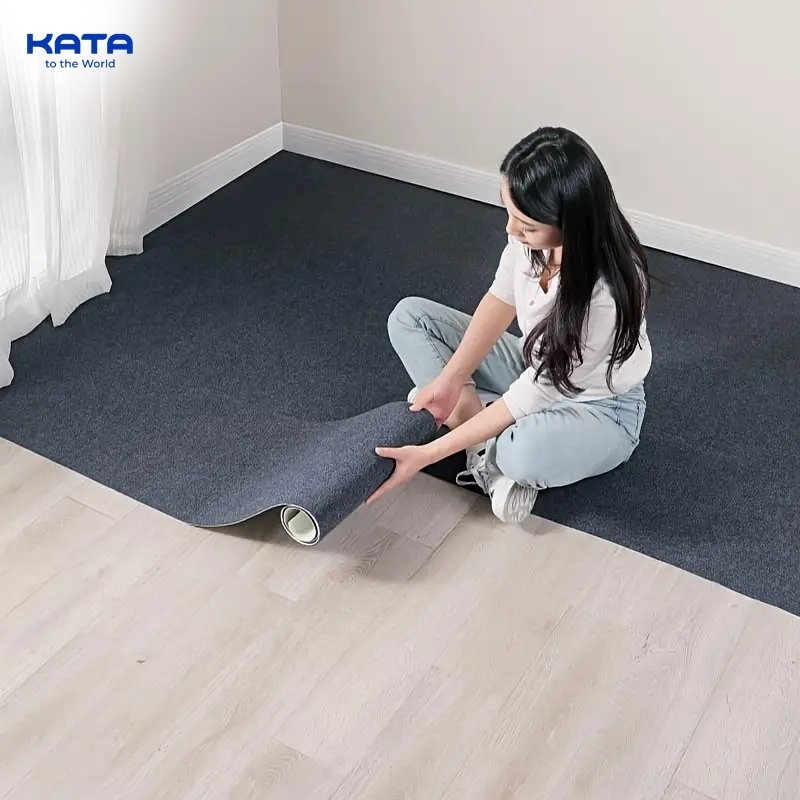
What Is Carpet Insulation?
How It Works
Carpet insulation functions as a protective layer between the carpet and the subfloor. By trapping air within its structure, it creates a thermal barrier that prevents heat transfer, keeping rooms warmer during cold months and cooler in hot seasons. Additionally, its sound-absorbing properties reduce noise transmission, making spaces quieter. The extra cushioning also minimizes wear and tear on carpets, prolonging their lifespan.Common Materials Used in Carpet Insulation
Foam: Lightweight and cost-effective, foam is ideal for those seeking basic thermal and acoustic benefits. It is versatile and works well in most residential settings where heavy traffic is not a concern.Rubber: Known for its durability and excellent soundproofing capabilities, rubber insulation is a popular choice for high-traffic areas such as hallways, stairs, and commercial spaces. Its resilience ensures long-term performance.
Felt: Made from recycled materials, felt insulation is an eco-friendly option that balances comfort and resilience. It’s a sustainable choice for environmentally conscious homeowners who want a durable yet soft underlay.
Key Benefits of Carpet Insulation
Energy Efficiency
Carpet insulation is an excellent way to enhance your home’s energy efficiency. By reducing heat loss through floors, it helps maintain a consistent indoor temperature, reducing the need for excessive heating or cooling.In cold climates, heat naturally escapes through the floors, especially if the room is located above an unheated space like a garage or basement. Carpet insulation provides a thermal barrier that retains heat, making your home feel warmer without relying on additional heating systems. Similarly, in warmer climates, insulation prevents cool air from escaping, reducing the load on air conditioning units. Over time, these benefits lead to noticeable savings on energy bills, making carpet insulation a practical investment for energy-conscious homeowners.
=>>> Click now to read the article: Does carpet make a room warmer

Energy Efficiency
Noise Reduction
Another major benefit of carpet insulation is its ability to reduce noise. It acts as a sound barrier, absorbing and dampening noise from footsteps, conversations, or music.This feature is especially valuable in multi-story homes, apartments, or offices where soundproofing is essential. For example, if you live in an apartment building, reducing noise transmission between floors can help create a more peaceful environment for you and your neighbors. Similarly, in homes with children or pets, carpet insulation can significantly reduce the sound of running, jumping, and playing, fostering a calmer atmosphere. By creating a quieter environment, carpet insulation enhances comfort and privacy, making it an ideal choice for bedrooms, home offices, or living rooms.
Improved Comfort
Carpet insulation adds an extra layer of softness and cushioning underfoot, enhancing the overall comfort of your flooring. It provides shock absorption, which reduces strain on your feet, legs, and back a feature particularly appreciated in homes with young children or elderly individuals.The additional cushioning not only improves the tactile feel of the carpet but also serves as a protective layer, reducing the impact of furniture, foot traffic, and heavy use. Over time, this can help your carpet maintain its appearance and structure, ensuring that it remains plush and inviting for years to come.

Improved Comfort
Types of Carpet Insulation
When it comes to carpet insulation, there are several types to choose from, each offering unique benefits. Understanding the differences can help you select the best option for your specific needs.Foam Underlay
Foam underlay is one of the most popular types of carpet insulation, thanks to its affordability and versatility. It is lightweight and easy to install, making it a favorite among DIY enthusiasts.Foam insulation is typically made from polyurethane or memory foam, providing decent thermal and acoustic properties. It is best suited for bedrooms, living rooms, and other low-traffic areas. However, one drawback is that foam tends to compress over time, which can reduce its effectiveness in high-traffic spaces. For homeowners on a budget, foam underlay remains an excellent choice for achieving basic comfort and insulation benefits.
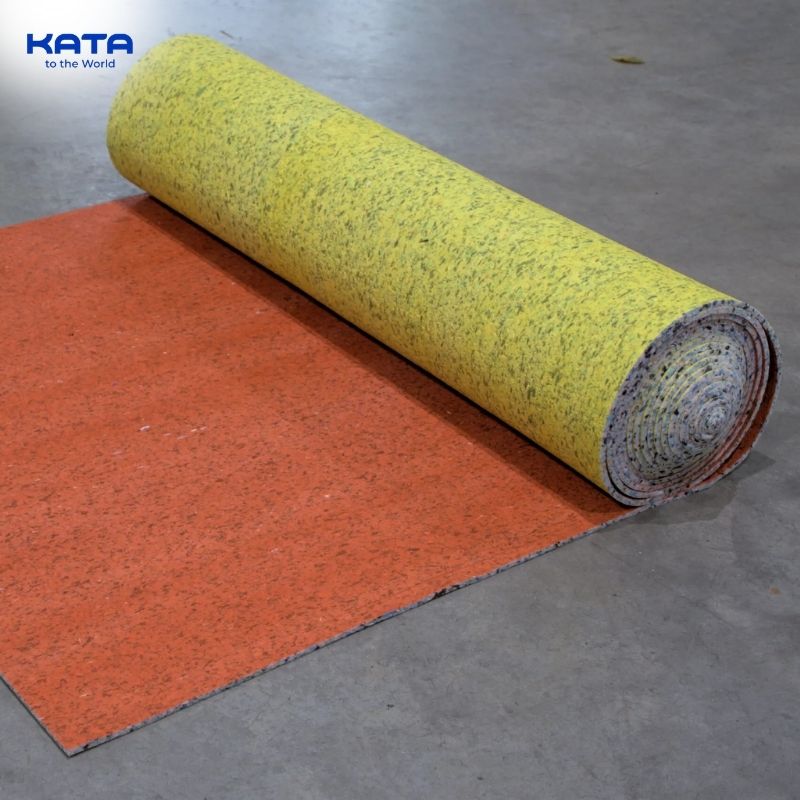
Foam Underlay
Rubber Underlay
Rubber underlay is known for its durability and superior noise reduction capabilities. Available in both sponge rubber and crumb rubber forms, this type of insulation is perfect for high-traffic areas such as hallways and stairs.Rubber’s robust construction provides excellent support and comfort, while its density ensures long-lasting performance. It is also resistant to mold and mildew, making it an excellent choice for damp or humid environments. While rubber underlay is more expensive than foam, its durability and performance make it a worthwhile investment for homeowners seeking premium insulation.
Felt Insulation
Felt insulation is an eco-friendly option made from recycled fibers. It offers a good balance between comfort and durability, providing solid thermal and acoustic insulation.Felt underlay is denser than foam, offering better support and longer-lasting performance. Its sustainable composition appeals to environmentally conscious homeowners who want a green alternative without compromising quality. Felt insulation is ideal for both residential and commercial spaces, where a balance of comfort, durability, and environmental responsibility is desired.
=>>> Click now to read the article: Is carpet bad for allergies

Felt Insulation
Factors to Consider When Choosing Carpet Insulation
Selecting the right carpet insulation involves evaluating several factors to ensure optimal performance and comfort. Here are the key considerations:Room Type
The type of room where the insulation will be installed plays a crucial role in determining the best option. High-traffic areas like living rooms and hallways require durable materials such as rubber underlay, while low-traffic spaces like bedrooms can benefit from softer options like foam. For spaces prone to moisture, such as basements, consider mold-resistant options like rubber or treated felt.Climate
Climate is another important factor to consider. In colder regions, insulation with strong thermal properties is essential to retain heat and keep floors warm. Rubber and felt are excellent choices for such climates due to their superior thermal performance. In warmer climates, lighter insulation materials like foam can provide adequate comfort without excessive heat retention.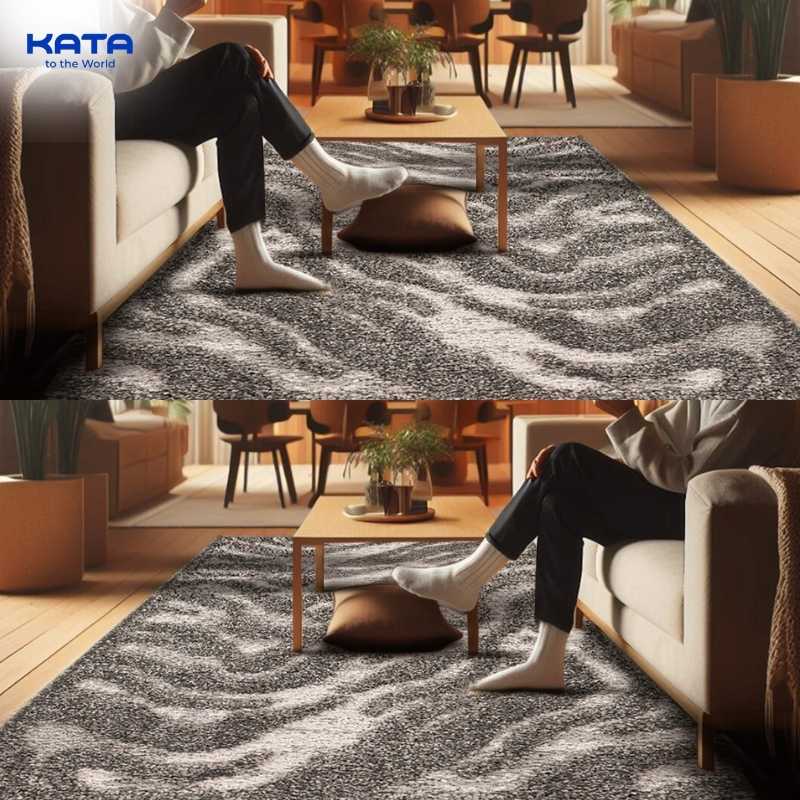
Climate
Budget
Carpet insulation is available in a wide range of prices, allowing homeowners to find an option that fits their budget. Foam underlay is the most cost-effective, while rubber and felt tend to be on the higher end. While it’s tempting to opt for the cheapest option, remember that higher-quality insulation often delivers better performance and longevity, making it a more cost-effective choice in the long run.Thickness and Density
The thickness and density of the insulation impact its overall performance. Thicker, denser insulation typically provides better thermal and acoustic properties but may require adjustments to door clearances. For areas with heavy furniture or high foot traffic, opt for denser materials like rubber or felt to ensure durability. Consider the specific requirements of your space when choosing the thickness and density of the insulation.By understanding the benefits, types, and factors to consider, you can make an informed decision about carpet insulation that suits your needs and enhances the comfort, energy efficiency, and longevity of your flooring. Whether you prioritize eco-friendliness, noise reduction, or thermal efficiency, there is a carpet insulation solution tailored to your preferences and budget.
Other articles



COPYRIGHT 2021 © ALL RIGHT RESERVED KATAVINA


[×]
REGISTER AGENT
We will contact you as soon as possible