




Is Carpet Bad for Allergies? Measures and types of carpets suitable
Allergies are a common health concern that affects millions of people worldwide, often interfering with daily life. "Is carpet bad for allergies?" Carpets are thought to harbor dust, pet dander, pollen, and other allergens, making them a possible source of discomfort for allergy sufferers. However, some experts argue that carpets, if well-maintained, can actually trap allergens and prevent them from becoming airborne. This ongoing debate highlights the need to understand how carpets interact with allergens and what can be done to minimize their impact.
Understanding Allergies and Triggers
To address whether carpets are bad for allergies, it’s essential to understand what causes allergies in the first place. Allergies occur when the immune system reacts to substances it perceives as harmful, even if they are generally harmless. These substances, known as allergens, can include:- Dust mites: Tiny creatures that thrive in warm, humid environments and feed on dead skin cells.
- Pet dander: Microscopic flecks of skin shed by cats, dogs, and other animals.
- Mold spores: Fungi that grow in damp areas and release spores into the air.
- Pollen: Fine particles released by plants, particularly during the spring and summer.
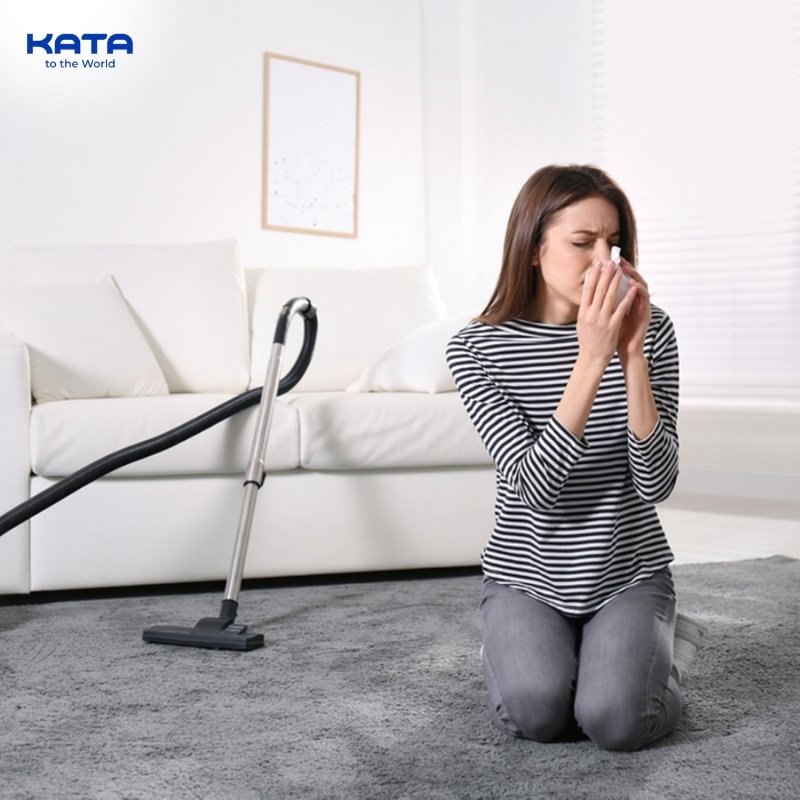
Understanding Allergies
How Carpets Can Be Bad for Allergies
One of the primary arguments against carpets is their ability to trap and retain allergens. Over time, particles like dust, pet hair, and pollen can settle deep within carpet fibers, creating a perfect environment for allergens to thrive. Here are a few ways carpets can exacerbate allergy symptoms:Dust accumulation: Carpets can act like sponges for dust, which is a common trigger for allergic reactions. High-pile carpets, with their longer fibers, are particularly effective at trapping dust deep within the material.
Pet dander retention: If you have pets, their dander can become embedded in the carpet. This can be a significant issue for people allergic to cats or dogs.
Mold growth: In damp or humid conditions, carpets can retain moisture, creating a breeding ground for mold and mildew. Mold spores released into the air can trigger allergic reactions and even asthma attacks.
Difficulty in cleaning: Regular vacuuming can remove surface-level allergens, but deep cleaning is required to tackle those trapped deep within the fibers. Without proper maintenance, carpets can become a persistent source of allergens.
This leads to the question, "Are carpets bad for people with allergies?" The answer largely depends on the type of carpet and the level of care it receives. High-pile carpets, for instance, tend to be worse for allergy sufferers because they hold more allergens compared to low-pile carpets.
=>>> Click to read the article now: How to stop carpet slipping

Do carpets cause allergies?
How Carpets Can Help with Allergies
Contrary to popular belief, carpets aren’t all bad when it comes to allergies. In fact, some studies suggest that carpets can actually help manage allergens by trapping them and preventing them from circulating in the air. Here’s how carpets can benefit allergy sufferers:Allergen containment: Carpets can act as a filter, capturing allergens and holding them in place until they can be removed through cleaning. This reduces the amount of allergens floating in the air, which can be especially beneficial for people with respiratory issues.
Improved air quality: When allergens are trapped in the carpet, they are less likely to be inhaled. This is particularly true in homes where proper cleaning protocols are followed.
Enhanced comfort: Carpets provide a soft and warm surface underfoot, which can be comforting for allergy sufferers who may also have sensitivities to cold or hard surfaces.
So, "Can carpets be good for allergies?" The answer is yes, provided they are maintained properly. Regular cleaning and choosing the right type of carpet can make all the difference.

Carpets Can Help with Allergies
How to get rid of carpet allergies
If you suffer from allergies but still prefer the comfort and aesthetic appeal of carpets, there are several steps you can take to minimize their impact on your health. Here are some best practices:Choose Allergy-Friendly Carpets
- Low-pile carpets: Opt for carpets with shorter fibers, as they are less likely to trap allergens compared to high-pile carpets.
- Hypoallergenic materials: Look for carpets made from materials specifically designed to resist allergens, such as synthetic fibers with antimicrobial properties.
Maintain a Cleaning Routine
- Vacuum regularly: Use a vacuum cleaner equipped with a HEPA (High-Efficiency Particulate Air) filter, which can capture fine particles like dust and pet dander.
- Deep clean periodically: Schedule professional carpet cleaning every 6 to 12 months to remove deeply embedded allergens.
- Spot clean promptly: Address spills and stains immediately to prevent mold and bacteria from developing.
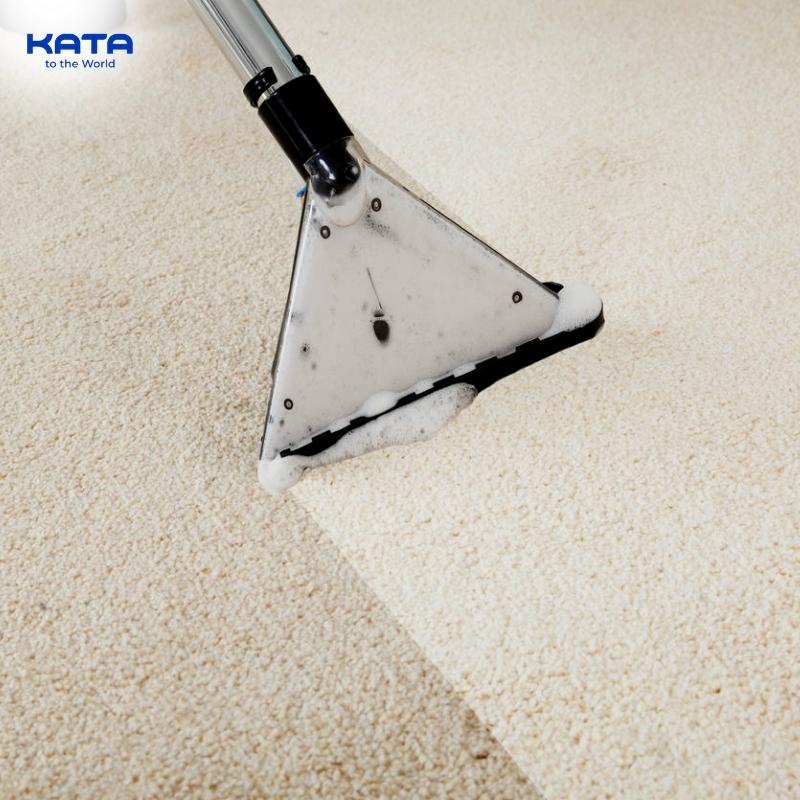
Maintain a Cleaning Routine
Control Indoor Humidity
- Use a dehumidifier: Keep indoor humidity levels below 50% to discourage mold growth.
- Ensure proper ventilation: Open windows or use exhaust fans to improve air circulation and reduce moisture.
Additional Tips
- Place doormats: Use doormats at entrances to reduce the amount of dirt and pollen tracked into the home.
- Limit pet access: Restrict pets from entering carpeted areas to minimize dander buildup.
- Consider area rugs: Use washable area rugs as an alternative to wall-to-wall carpeting. These can be easily cleaned or replaced.
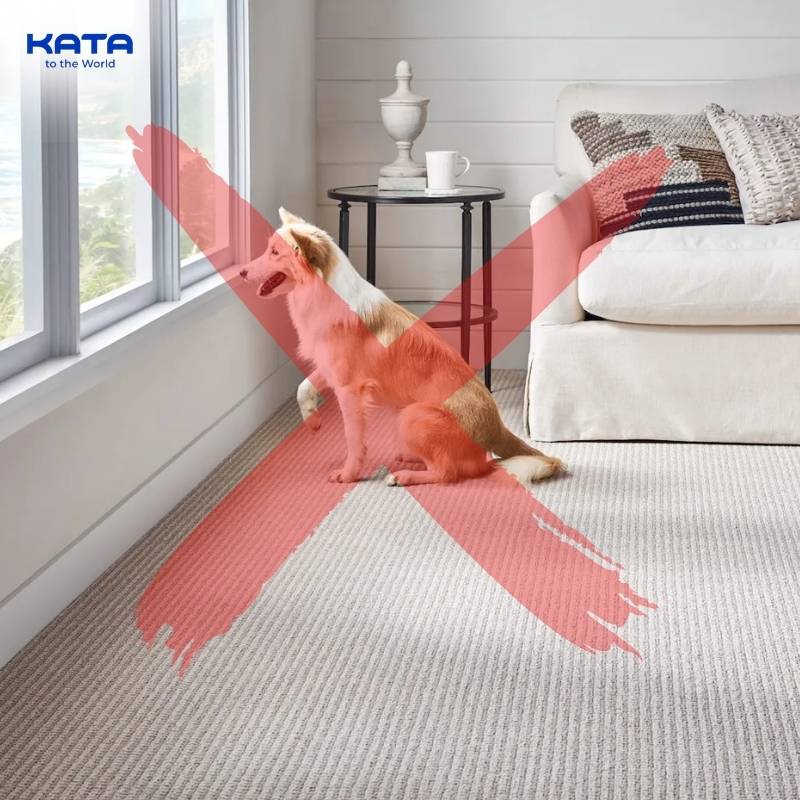
Limit pet access
Conclusion
So, is carpet bad for allergies? The answer isn’t straightforward. Carpets can be both a friend and a foe to allergy sufferers. On one hand, they have the potential to trap allergens and exacerbate symptoms if neglected. On the other hand, they can also help contain allergens and improve air quality when properly maintained.The key lies in choosing the right type of carpet and adhering to a rigorous cleaning routine. For those who value the comfort and warmth that carpets bring, adopting allergy-friendly practices can make all the difference. Whether carpets are good or bad for allergies ultimately depends on how you manage them in your living space.
Other articles





COPYRIGHT 2021 © ALL RIGHT RESERVED KATAVINA


[×]
REGISTER AGENT
We will contact you as soon as possible