Understanding Moisture Barrier Carpet Pads: Benefits And Types
What Is A Moisture Barrier Carpet Pad?
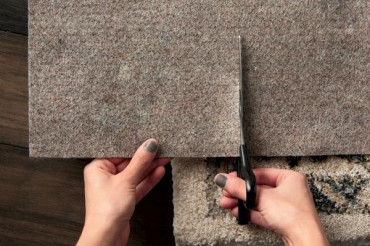
A moisture barrier carpet pad acts as a protective layer beneath your carpet, designed to block liquids from reaching the subfloor. Unlike standard carpet pads that tend to absorb moisture, this specialized padding repels spills, making it an ideal choice for areas prone to frequent accidents, high humidity, or heavy foot traffic. In my experience, it’s a game-changer for homes with kids, pets, or rooms like basements where moisture exposure is a concern.
Moisture barrier carpet pad
Why Is A Moisture Barrier Carpet Pad Important?
From my understanding of common household issues, moisture is a significant threat to the structural integrity and health of a home. This is where the importance of a moisture barrier carpet pad truly shines. Let's break down the key reasons why I believe this type of underlayment is essential:Protects Your Subfloor
One of the biggest concerns with traditional carpet padding is that spills can seep through and cause damage to the subfloor. Whether you have hardwood, concrete, or plywood beneath your carpet, moisture can lead to warping, staining, or even structural issues over time.
Prevents Mold And Mildew Growth
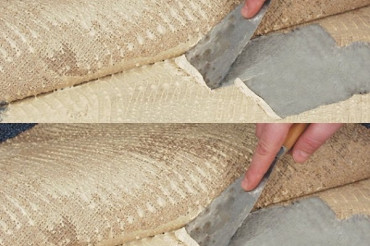
I’ve seen firsthand how moisture trapped beneath a carpet can turn into a breeding ground for mold and mildew. With a moisture barrier carpet pad, you can mitigate this risk and ensure a healthier indoor environment, especially for those with allergies or respiratory conditions.

Prevents mold and mildew growth
Extends Carpet Lifespan
Carpets aren’t cheap, so prolonging their lifespan is a priority for most homeowners. A moisture barrier pad prevents liquid from soaking into carpet fibers, reducing the risk of permanent stains, odors, and fiber degradation.
Easier Cleanup
If you have kids or pets, you know that spills and accidents are inevitable. A moisture barrier carpet pad keeps spills on the surface, making cleanup faster and preventing lingering moisture from causing damage underneath.
Ideal for Certain Areas
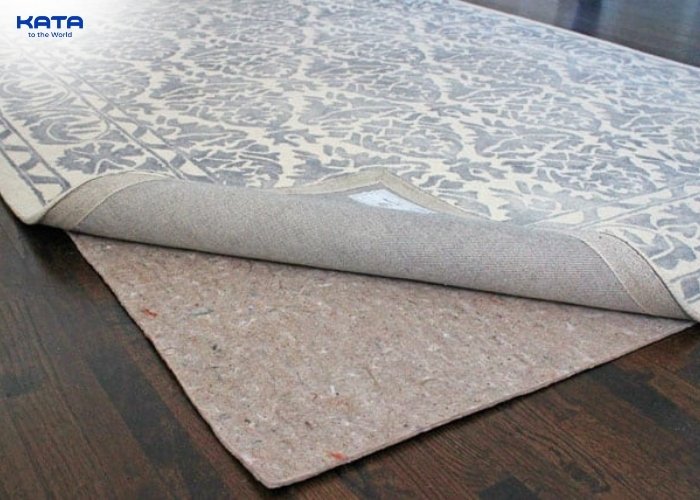
Based on my experience, moisture barrier pads are particularly useful in high-risk areas such as basements, bedrooms, dining rooms, and homes with pets. They add an extra layer of protection in places where spills are more likely to happen.
Ideal for certain areas
Pros and Cons Of Moisture Barrier Carpet Pads
Pros- Shields subfloors from moisture damage, preserving their integrity over time.
- Acts as a barrier against mold and mildew, promoting a healthier indoor environment.
- Increases carpet longevity by preventing moisture-related deterioration.
- Makes cleaning spills much easier, reducing the risk of stubborn stains.
- A great choice for households with pets and children, offering extra protection.
- Generally more expensive than standard carpet pads, which may not fit all budgets.
- Can trap moisture on the surface if spills are not cleaned up quickly.
- Some lower-quality versions may restrict airflow, potentially leading to trapped humidity issues.

Moisture barrier carpet pads pros and cons
Types Of Moisture Barrier Carpet Pads
Based On Material- Foam Pads: Lightweight and affordable, but may not be as durable.
- Rubber Pads: More resilient and long-lasting, great for high-traffic areas.
- Felt Pads: Provides excellent insulation but may not be as moisture-resistant.
- Plastic-Laminated Pads: Feature a thin plastic sheet that repels liquid.
- Rubber Barrier Pads: Natural rubber offers superior moisture protection.
- Urethane-Coated Pads: Provide a balance between flexibility and protection.

Moisture barrier carpet pads types
How To Choose The Right Moisture Barrier Carpet Pad
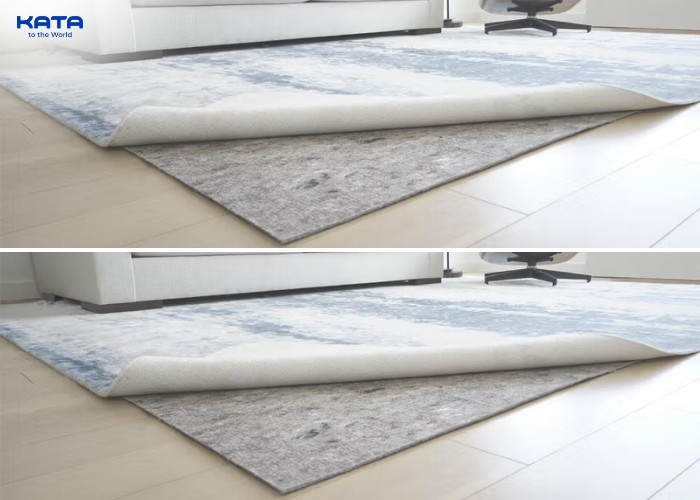
Type of Subfloor: As I mentioned earlier, the type of subfloor you have can influence your choice. For example, if you have a concrete subfloor in a basement, you might want a pad specifically designed to handle potential moisture from below as well as above.
Type of Carpet: The manufacturer of your carpet might have specific recommendations or requirements for the type of pad that should be used to maintain your warranty. It's always a good idea to check these guidelines before making a decision.
Budget: Home improvement projects are significantly influenced by budget. Moisture barrier carpet pads can range in price, so it's important to find a balance between your needs and your budget.
Foot Traffic: In high-traffic areas like hallways and living rooms, you'll want a more durable and dense pad that can withstand constant wear and tear while still providing moisture protection.
=>>> You might be interested in this article: The Best Carpet Types for Every Room
Choose moisture barrier carpet pads
How To Install A Moisture Barrier Carpet Pad
From my understanding of the installation process, installing a moisture barrier carpet pad is generally similar to installing a traditional carpet pad, but with a few key considerations:Step 1: Preparing The Subfloor
Ensure the subfloor is clean, dry, and free of any debris. Any existing moisture issues should be addressed before installing the new pad.
Step 2: Laying The Pad
Unroll the moisture barrier carpet pad and cut it to fit the room, leaving a small gap around the perimeter. The moisture barrier layer should always face upwards, towards the carpet.
Step 3: Taping The Seams
This is a crucial step with moisture barrier carpet pads. Use waterproof tape to seal all the seams between the pieces of padding. This creates a continuous, impermeable barrier across the entire floor.
Step 4: Installing The Carpet
Once the pad is properly laid and the seams are taped, you can proceed with the carpet installation according to the manufacturer's instructions.

Installing carpet padding with moisture barrier
How Much Is A Moisture Barrier Carpet Pad?
From my analysis of online retailers and flooring stores, the cost of a moisture barrier carpet pad can vary depending on the material, thickness, density, and brand. Generally, you can expect to pay more for a moisture barrier pad compared to a standard pad. Prices can range from around $0.50 to $2.00 or more per square foot. Factors like the specific features (e.g., enhanced odor control for pet pads) can also influence the price. It's always best to get quotes from multiple suppliers to compare prices and find the best option for your needs and budget.
Moisture barrier carpet pad cost
Alternatives To Moisture Barrier Carpet Pads
While moisture barrier carpet pads are an excellent solution for many situations, I've learned about some alternative approaches you might consider:- Regular Carpet Pads with Waterproof Carpet: If you're installing a new carpet, you might consider pairing a regular carpet pad with a carpet that has a built-in waterproof backing.
- Sealing the Subfloor: Applying a waterproof sealant to your subfloor before installing any carpet or pad can provide a layer of protection against moisture from below.
- Choosing Water-Resistant Flooring: In areas prone to high moisture, you might consider alternative flooring options like tile, vinyl, or laminate, which are naturally more water-resistant than carpet.
A moisture barrier carpet pad is an excellent investment for homeowners looking to protect their flooring, improve carpet longevity, and simplify maintenance. From my experience, if you have kids, or pets, or live in a humid climate, it’s one of the smartest choices you can make for your home. While the upfront cost may be slightly higher, the long-term benefits in terms of durability and protection make it well worth considering.
Other articles