




How To Dry Carpet Padding After A Flood Or Spill
Water damage can be a nightmare for homeowners, especially when it soaks into carpet padding. If left untreated, it can lead to mold growth, foul odors, and even structural damage to the flooring. Through my experience handling carpet water damage, I've learned that drying carpet padding quickly and effectively is crucial. In this guide, I’ll walk you through the step-by-step process of how to dry carpet padding after a flood or spill, ensuring your home stays clean, safe, and mold-free.
Dangers Of Improperly Dried Carpet Padding
Through my experience, I’ve witnessed how improperly dried carpet padding can turn into a serious problem. It quickly becomes a breeding ground for mold, mildew, and bacteria, leading to health risks and unpleasant odors that linger in the home. The moisture trapped within the padding gradually weakens its structure, causing it to deteriorate and lose its supportive quality. Worse still, if the issue is ignored, the moisture can seep into the subfloor, resulting in costly repairs and potential long-term damage to your flooring.
Carpet padding do not dry properly
Preparation Steps For Drying Carpet Padding
Ensure Safety
Before starting the drying process, I always make sure the area is safe to work in. If water damage is due to flooding, I check for electrical hazards and shut off power to the affected area. Wearing gloves and protective gear helps prevent exposure to bacteria and contaminants in floodwater.Remove Excess Water From Carpet Padding
One of the most effective ways I’ve found to start drying carpet padding is by extracting as much water as possible. Using a wet/dry vacuum can pull out the majority of moisture from the carpet surface and padding. If standing water is present, I use a pump to remove it first before using the vacuum.=>>> Read more: How to remove glued down carpet padding
Move Furniture Out Of Affected Area
I always recommend moving any furniture out of the wet area. Not only does this prevent further water damage to furniture, but it also allows for better air circulation, which speeds up the drying process. If moving furniture isn’t an option, I use foil or wooden blocks to lift furniture legs off the damp carpet.
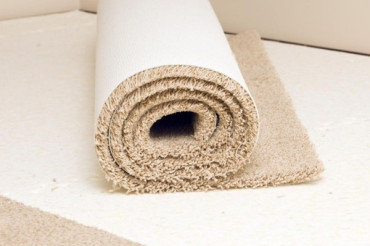
Prepare to dry the carpet padding
Methods For Drying Carpet Padding
Using Fans And Dehumidifiers
One of the most effective ways I’ve found to dry carpet padding is by using high-powered fans and dehumidifiers. I strategically position multiple fans around the wet area, ensuring airflow is directed at the floor. This setup accelerates evaporation and prevents moisture from settling back into the padding.Equally important is using a dehumidifier to remove excess moisture from the air. Lowering the humidity level not only speeds up the drying process but also helps prevent mold growth. From my experience, combining these two tools delivers the best results, ensuring the carpet padding is thoroughly dried and safe from long-term damage.
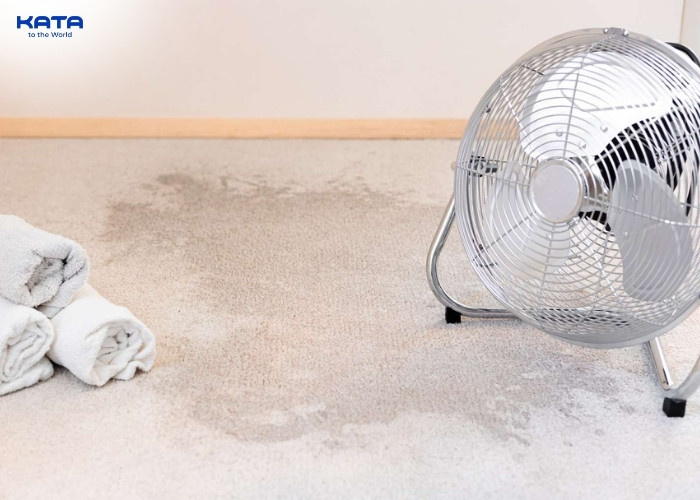
Using fans and dehumidifiers
Using Professional Carpet Dryers
When dealing with severe water damage, I’ve found that professional carpet dryers provide the most effective results. These powerful machines generate high-velocity airflow, reaching deep into the padding to extract moisture that standard fans simply can’t remove. This ensures a much faster and more thorough drying process.If the affected area is large or heavily saturated, renting professional equipment or hiring specialists is a smart choice. Industrial-grade dryers work significantly faster than household fans, reducing the risk of mold growth and preventing long-term damage to the subfloor and carpet structure.
=>>> Read more: How to install carpet padding

Using professional carpet dryers
Using Natural Methods
If you prefer a more natural approach, there are effective ways to dry carpet padding without relying on machines.Open windows for ventilation
I always recommend maximizing ventilation by opening windows and doors. Cross-ventilation improves airflow, which helps in drying the padding more efficiently. If possible, placing fans near windows can help direct damp air outside, speeding up the process.
Use baking soda to absorb moisture
A simple yet effective trick I’ve used is sprinkling baking soda over the damp carpet. Baking soda naturally absorbs moisture and helps eliminate odors. After letting it sit for a few hours, I vacuum it up to remove any remaining dampness.

Using natural methods
How To Prevent Your Carpet Padding From Getting Wet
- Use waterproof carpet padding or moisture-resistant underlayments to create a protective barrier against moisture seepage.
- Maintain proper drainage by keeping gutters and downspouts clean to direct rainwater away from the foundation, reducing the risk of water entering the home.
- Place rugs or mats in high-risk areas, such as entryways and under sinks, to absorb minor spills before they reach the carpet padding.
- Regularly inspect plumbing for leaks, as even a small undetected leak can lead to moisture buildup under carpets.
- Fix any plumbing issues immediately to prevent water accumulation that could damage carpet padding and lead to mold growth.
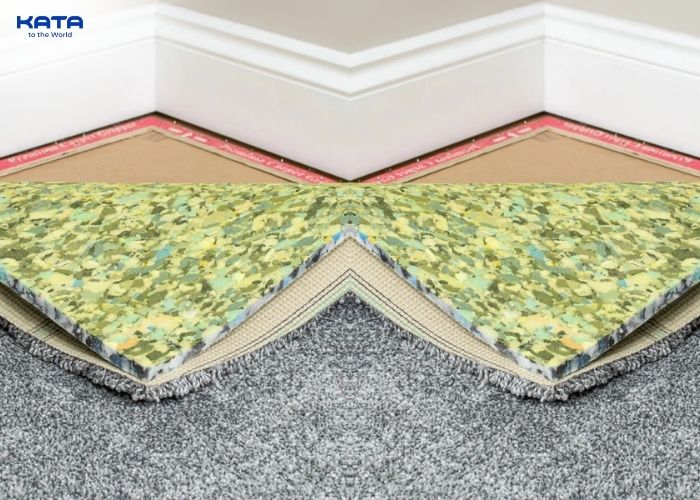
Prevent the carpet padding from getting wet
Frequently Asked Questions While Drying Carpet Padding
1. Can Carpet Padding Be Dried Without Removing The Carpet?While it is possible to dry carpet padding without removing the carpet, it is much more difficult. Padding holds moisture longer than the carpet itself, so lifting the carpet and exposing the padding to airflow significantly improves drying efficiency.
2. How Long Does It Take To Completely Dry Carpet Padding?
The drying time depends on the severity of the water damage and the drying methods used. With fans and dehumidifiers, it can take anywhere from 24 to 72 hours. In cases of severe saturation, professional-grade equipment may be required to speed up the process.
3. When Should You Replace Carpet Padding After Water Damage?
From my experience, if the carpet padding has been soaked for more than 48 hours or has visible mold growth, replacement is the safest option. Padding tends to hold onto moisture, making it difficult to dry completely, which increases the risk of bacteria and mold development.
4. How To Prevent Mold On Carpet Padding?
The best way to prevent mold is to dry the carpet padding as quickly as possible. I always use a combination of fans, dehumidifiers, and proper ventilation. Additionally, applying an antimicrobial spray can help prevent mold spores from spreading.
Other articles


COPYRIGHT 2021 © ALL RIGHT RESERVED KATAVINA


[×]
REGISTER AGENT
We will contact you as soon as possible