




Broadloom Carpet Vs Carpet Tiles: Pros, Cons And Key Differences
Selecting the perfect flooring solution often comes down to the debate between broadloom vs carpet tile. With years of hands-on experience in the flooring industry, I've explored both extensively, weighing their pros and cons in various settings. The best choice depends on key factors like budget, ease of maintenance, installation requirements, and overall aesthetics. In this guide, I’ll walk you through a detailed comparison to help you determine which option best suits your space.
An Overview Of Broadloom Carpets
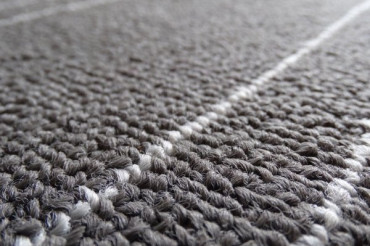
Broadloom carpet, commonly known as wall-to-wall carpet, is sold in large rolls that are precisely cut to fit a room’s layout. It is typically installed over a cushioned pad and secured using adhesives or tack strips, ensuring a smooth, continuous surface. Renowned for its elegant, seamless appearance, broadloom is often the go-to choice for upscale homes and luxury commercial settings. With a vast array of colors, patterns, and textures, it provides nearly endless design possibilities, making it a versatile flooring solution for those who prioritize aesthetics and comfort.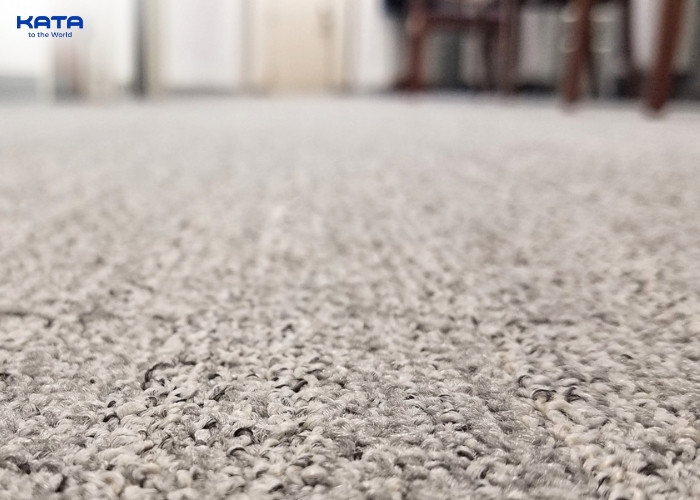
Broadloom carpet
An Overview Of Carpet Tiles
Carpet tiles, also known as modular carpets, come in small, square, or rectangular pieces that can be installed individually. They are particularly popular in commercial spaces, offices, and high-traffic areas due to their ease of replacement and installation. These tiles come in various designs and materials, allowing for creative layouts and patterns that are harder to achieve with broadloom carpets. Modern carpet tiles also feature built-in padding and adhesive backing, eliminating the need for separate underlayments.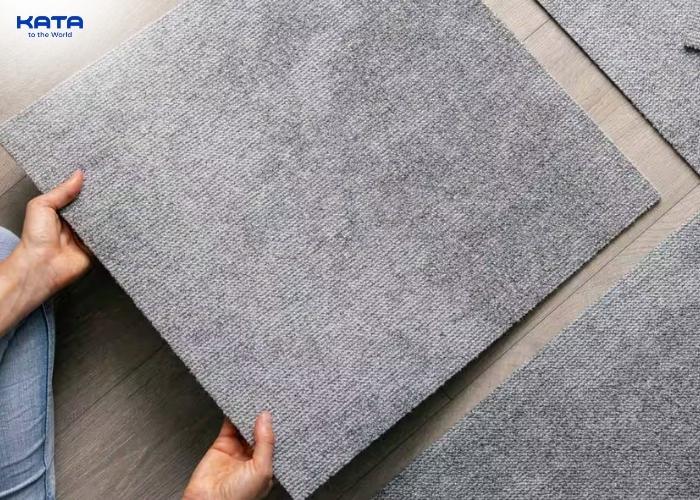
Carpet tiles
Broadloom Carpet: Pros And Cons
Pros:- Delivers a seamless, elegant appearance with minimal visible seams.
- Offers superior underfoot comfort with a plush, luxurious texture.
- Best suited for large, open spaces where continuity in design enhances aesthetics.
- Available in a vast selection of styles, textures, and high-end quality options.
- Excellent sound absorption, making it ideal for bedrooms, theaters, and quiet spaces.
- Specialized installation is crucial, given its intricate nature.
- Repairing damaged sections can be challenging, often necessitating full replacement.
- Results in higher material waste during installation due to cutting and fitting.
- Can be difficult to clean thoroughly if stains penetrate the carpet padding.

Pros and cons broadloom carpet
Carpet Tiles: Pros And Cons
Pros:- Easier and more cost-effective to install, often allowing for DIY installation.
- Damaged tiles can be replaced individually without replacing the entire carpet.
- Less material waste, such as tiles, can be precisely measured and cut.
- Ideal for creating unique patterns and designs due to its modular nature.
- Suitable for high-traffic areas where quick replacements might be needed.
- More visible seams compared to broadloom carpet.
- Some varieties may not provide the same level of comfort as traditional broadloom carpets.
- Limited options in terms of high-end, plush designs.
- Adhesive-backed tiles may lose stickiness over time, leading to shifting.
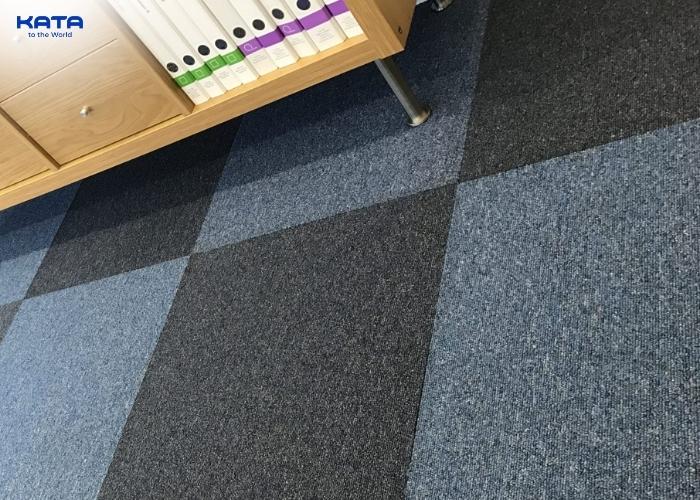
Carpet tiles pros and cons
Detailed Comparison Between Broadloom Carpet And Carpet Tiles
Installation
Broadloom carpet requires professional installation, as it involves stretching, securing, and sometimes seam joining. This intricate process demands expertise, adding to the overall labor cost and complexity. Since broadloom carpet comes in large rolls, it requires precise cutting and careful placement to ensure a seamless look. Due to these factors, it is often not a feasible option for DIY installation.On the other hand, carpet tiles are designed for easy handling and can be installed with minimal effort. Many feature peel-and-stick or interlocking mechanisms, allowing for quick and hassle-free installation. Unlike broadloom carpet, which requires large, continuous coverage, carpet tiles can be laid piece by piece, making them ideal for those who prefer a simple, adaptable, and efficient flooring solution.
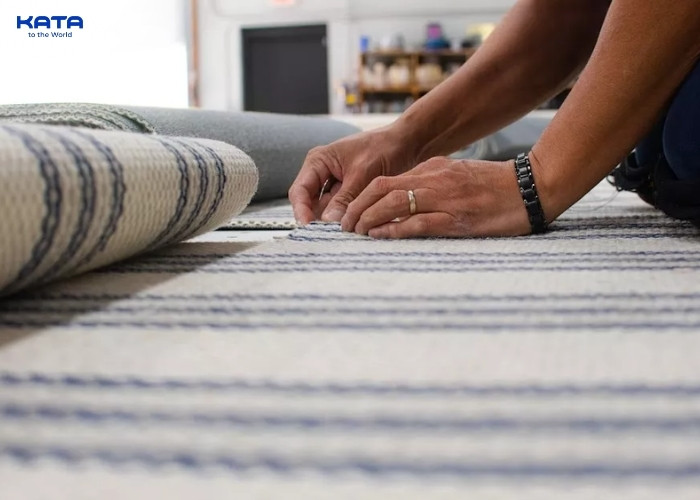
Installation of broadloom carpet and tiles
Cost
Broadloom carpets generally have a higher upfront cost due to installation and material expenses. On average, broadloom carpet costs between $3 to $10 per square foot, with professional installation adding another $2 to $6 per square foot. Additionally, waste from cutting broadloom to fit a room can contribute to costs, especially in irregularly shaped spaces.Carpet tiles, however, tend to be more budget-friendly, especially for smaller spaces. Prices range from $2 to $7 per square foot, and since individual pieces can be purchased as needed, there's minimal material waste. Additionally, many carpet tiles are designed for DIY installation, eliminating labor costs and making them a cost-effective flooring option.

Cost of broadloom carpet and tiles
Maintenance And Cleaning
Carpet tiles hold a significant advantage when it comes to maintenance. Spills and stains on the broadloom carpet can be difficult to clean, often requiring professional cleaning services that can cost anywhere from $50 to $200 per session, depending on the size and severity of the stain. Additionally, broadloom carpets are more prone to absorbing moisture, which can lead to stubborn stains and lingering odors over time.In contrast, a stained carpet tile can simply be replaced, making upkeep far more convenient and cost-effective. Individual carpet tiles typically cost between $2 to $7 per square foot, so replacing a few damaged tiles is much cheaper than deep cleaning an entire broadloom carpet. Broadloom carpets may also trap more dust and allergens due to their continuous surface, requiring frequent vacuuming and deep cleaning to maintain indoor air quality.

Cleaning of broadloom carpet and tiles
Aesthetics
Aesthetically, broadloom carpet provides a more elegant and cohesive look, often favored in luxury settings. Its seamless design creates a high-end appearance, making it ideal for upscale homes, hotels, and executive offices. Additionally, broadloom carpets offer a plush feel underfoot, adding to their appeal in spaces where comfort is a priority.Carpet tiles, while versatile, may not always achieve the same seamless appearance. However, their modular nature allows for creative designs and mixed color patterns, making them appealing in modern and commercial spaces. Offices, retail stores, and co-working spaces often use carpet tiles to incorporate unique patterns and branding elements, giving them a distinct visual identity.

Aesthetics of broadloom carpet and tiles
Durability And Lifespan
Both carpet types can be durable, but their longevity largely depends on the material quality and level of maintenance. High-quality broadloom carpets, particularly those made of wool or high-density nylon, can last 10 to 15 years if properly cared for. However, once they wear out or sustain significant damage, replacement can be costly, often requiring the removal and reinstallation of an entire section.Carpet tiles, on the other hand, offer a more flexible and cost-effective solution. If a section becomes worn or stained, individual tiles can be swapped out rather than replacing the whole carpet. This modular approach not only extends the overall lifespan of the flooring but also minimizes long-term maintenance costs, making it a preferred choice for commercial spaces and high-traffic areas.

Durability of broadloom carpet and tiles
Environment And Sustainability
Carpet tiles are often seen as the more eco-friendly choice since many are made from recycled materials, reducing their environmental impact. Another advantage is that when a tile gets damaged, it can be replaced individually, minimizing waste and extending the floor's lifespan.Broadloom carpets, however, tend to contain more synthetic materials, which can be less sustainable. Additionally, during installation, more material is often wasted due to cutting and fitting, making it a less environmentally friendly option in some cases.
Environment and sustainability
Suitable Spaces For Broadloom Carpet And Carpet Tiles
Broadloom CarpetBroadloom carpet is best suited for spaces that prioritize comfort and a polished look. It’s commonly found in:
- Residential homes, particularly in bedrooms and living rooms
- Luxury hotels and high-end office spaces
- Large open areas where a seamless design is desired
- Spaces requiring excellent sound absorption, such as theaters and conference rooms
Carpet tiles excel in areas that demand flexibility and easy maintenance. They are ideal for:
- Commercial spaces, including offices and co-working spaces
- High-traffic areas like retail stores and airports
- Rental properties where quick replacements might be necessary
- Playrooms and classrooms where spills are common
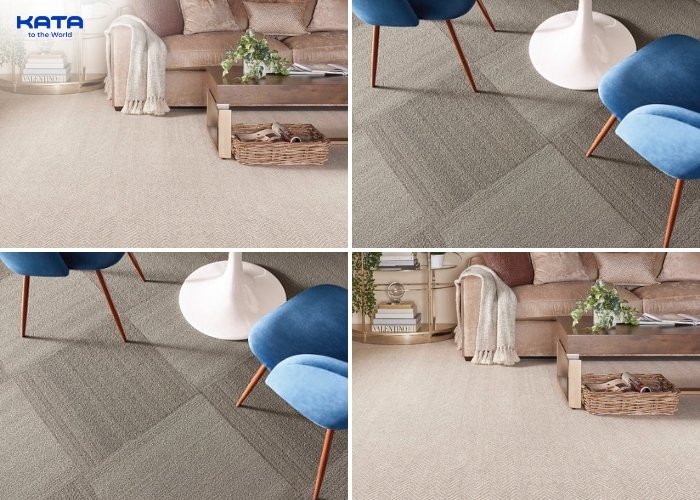
Space for broadloom carpet and carpet tiles
Conclusion
Choosing between broadloom vs carpet tile ultimately depends on your needs, budget, and aesthetic preferences. If you seek luxury, comfort, and a seamless design, a broadloom carpet is a solid choice. However, if you value flexibility, cost-effectiveness, and easy maintenance, carpet tiles might be the better option. Both flooring types have their place, and understanding their differences ensures you make an informed decision that suits your space best.
Other articles


COPYRIGHT 2021 © ALL RIGHT RESERVED KATAVINA


[×]
REGISTER AGENT
We will contact you as soon as possible