



Car Seats: Types, Lifespan, Safety, Cleaning & Care Guide
Types of Car Seats
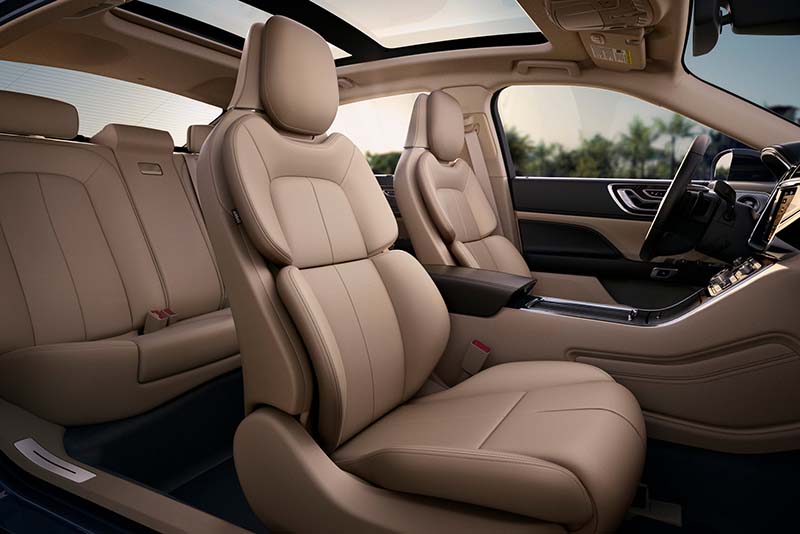
The architecture of a car’s interior usually starts with two primary designs: Bucket seats and Bench seats.
-
Bucket Seats: Characterized by their contoured, individual design, bucket seats are standard in the front row to provide lateral support and personalized comfort. In modern SUVs and minivans, these often appear in the second row as Captain’s Chairs, offering easier access to the rear.
-
Bench Seats: Traditionally found in the rear, the folding split-bench (often 60/40) is the gold standard for versatility, allowing you to carry a passenger on one side while folding the other for long cargo.
-
Sport & Luxury: Evolution has introduced high-performance sport seats with aggressive bolsters for cornering, alongside luxury "thrones" featuring integrated massage and ventilation.
Material of car seats
Choosing the right upholstery depends on your lifestyle and climate.
Natural leather offers the ultimate premium experience, providing unmatched durability and a high resale value, though it requires regular conditioning.
Synthetic leather (or vegan leather) is the modern favorite for families; it provides a similar luxury aesthetic but is non-porous and significantly easier to wipe clean.
Finally, fabric is the most practical choice for temperature control, staying breathable and comfortable in extreme heat or cold. While fabric requires more frequent deep cleaning, it remains the most budget-friendly and utilitarian option for daily drivers.
Take a look at this comparison table between the three materials:
|
Comparison Factor |
Natural Leather |
Synthetic Leather |
Fabric |
|
Aesthetics and Feel |
High-end, premium feel; develops a unique patina over time. |
Modern and consistent; mimics leather appearance closely. |
Casual and utilitarian; available in various patterns and weaves. |
|
Durability |
Exceptionally high if conditioned; resistant to tears. |
High; resistant to spills and fading, but may crack over years. |
Moderate; prone to snagging, fraying, and wear in high-friction areas. |
|
Maintenance |
Requires regular conditioning to prevent drying and cracking. |
Low; easily wiped down with a damp cloth; stain-resistant. |
High; absorbs liquids and odors; requires vacuuming and steam cleaning. |
|
Temperature Control |
Becomes very hot in summer and very cold in winter. |
Retains heat; often less breathable than natural leather. |
Excellent breathability; remains comfortable in extreme temperatures. |
|
Cost |
Most expensive; usually reserved for luxury trims. |
Mid-range; offers a "luxury look" at a more accessible price. |
Most affordable; standard on base and mid-level vehicle trims. |
Car Seat Safety: Standards and Features
Advanced Airbag Systems and Seat Integration
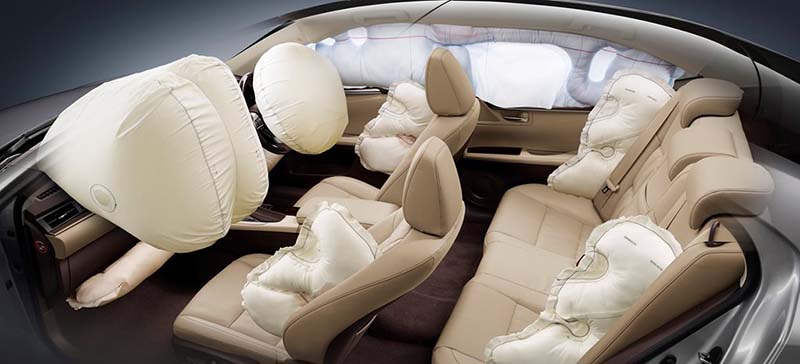
Contemporary passenger seats may include Weight Classification Systems (WCS) or Occupant Classification Systems (OCS). These sensors communicate with the vehicle’s Supplemental Restraint System (SRS) to help determine the weight and seating conditions of the front passenger.
Based on this information, the system can adjust airbag deployment behavior to improve safety across different seating scenarios. This helps ensure that the airbag response is appropriately calibrated to better match real-world occupants and seating positions.
OCS and WCS
The Occupant Classification System (OCS) and Weight Classification System (WCS) are safety technologies designed to help control airbag deployment based on occupant weight and seating conditions.
Since a full-force airbag may not be suitable for all seating situations, these systems use sensors built into the passenger seat, such as pressure bladders or strain gauges, to assess the presence and approximate weight of an occupant.
Based on this data, the system can adjust or disable airbag deployment when necessary to reduce the risk of injury in low-weight or abnormal seating conditions.
In essence, it helps optimize airbag response to better match real-world seating scenarios, improving overall passenger safety.
Head Restraints and Whiplash Protection
Safety also extends to head restraints in car seats, which are specifically engineered to mitigate whiplash.
In a rear-end collision, the body is pushed forward while the head lags behind. Active head restraints utilize a mechanical trigger during a crash to move the restraint upward and forward instantly.
This closes the gap between the headrest and the occupant's skull, absorbing energy earlier in the crash sequence and preventing debilitating cervical spine damage.
Common Car Seat Problems and Solutions
Torn Upholstery and Cracked Leather
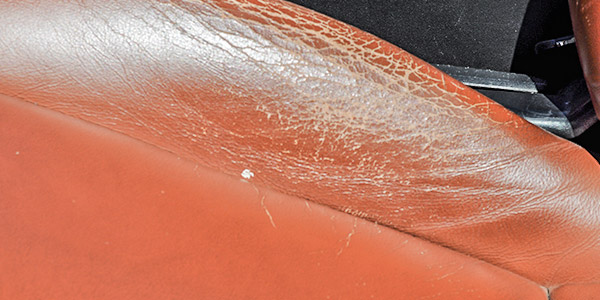
Leather often cracks due to UV exposure and a lack of moisture, while fabric is prone to snags and punctures. For leather, a specialized color-matched repair kit can fill cracks before they turn into full-blown tears.
If you have fabric car seats, using a curved upholstery needle to stitch small holes can prevent the foam underneath from being exposed to grit and moisture.
Collapsed Foam and Loss of Support
Over years of commuting, the internal seat foam loses its "memory" and begins to sag, often referred to as bottoming out. This leads to poor posture and back pain.
The most effective solution is to have a professional upholsterer replace the foam padding or to use a high-density orthopedic seat cushion to restore the necessary lumbar support and hip alignment.
Persistent Odors and Deep Stains
Spills that seep through the cover into the foam padding often result in lingering smells.
Standard surface wiping won't solve this; you’ll need an enzymatic cleaner to break down organic matter or a steam cleaner with an extraction tool. This pulls the moisture and bacteria out of the deep layers of the seat, ensuring the cabin air remains fresh.
How To Clean Your Car Seats
Effective cleaning starts with a thorough vacuuming to remove debris from seams where it acts like sandpaper.
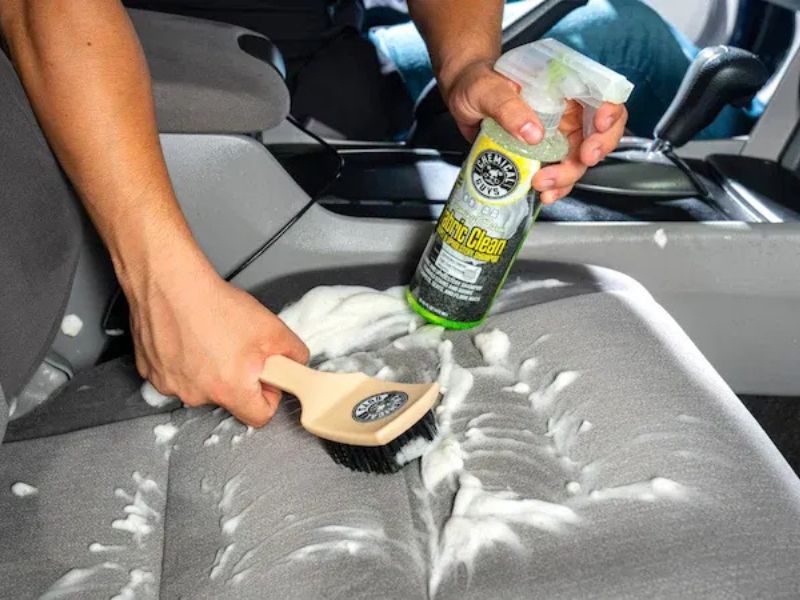
For fabric, apply an upholstery cleaner and agitate with a soft brush before blotting dry.
For leather or synthetic car seats, use a dedicated interior cleaner and a microfiber towel. Avoid oversaturating the material, especially on perforated seats, as excess moisture can damage internal heating elements or foam.
For stubborn odors, an enzymatic cleaner is essential to break down organic spills rather than just masking them. Finish by wiping down plastic trim and seat tracks to ensure smooth operation.
How To Maintain Your Car Seats
Maintenance is about prevention and preservation.
For leather seats, apply a high-quality conditioner every few months to keep the surface supple and prevent UV-induced cracking.
For fabric seats, a fabric protectant spray can help create a barrier against spills and stains, making routine cleaning easier and more effective. Regularly inspect seat anchors and seatbelt systems for signs of wear, loosening, or mechanical issues.
Finally, use a sunshade when parked to reduce heat exposure, which can accelerate the degradation of both foam and upholstery materials. By spending just a few minutes each month on these simple checks, you can significantly extend the comfort, appearance, and lifespan of your car interior.
Enhancing Your Experience: Car Seat Accessories and Comfort
Seat Covers: Protection vs. Safety Risks
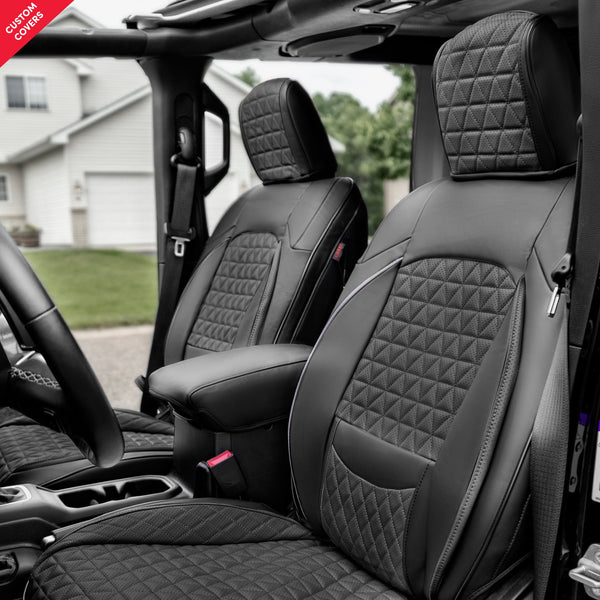
Seat covers are a popular choice for preserving upholstery, but they carry a significant safety caveat. Many modern vehicles feature side-impact airbags embedded within the seat bolster.
Using a universal cover that is not airbag-compatible can prevent the airbag from deploying during a collision. Always ensure covers feature specialized breakaway stitching or open-side designs to maintain your vehicle’s safety integrity.
Lumbar Support and Seat Cushions
For long-distance commuters, back pain is a common grievance. High-quality lumbar support cushions or memory foam inserts can fix poor spinal alignment by filling the gap between the lower back and the seat back.
These accessories help maintain the natural S-curve of the spine, reducing muscle fatigue and preventing the "slumping" that leads to chronic discomfort.
Heated and Ventilated Seat Maintenance
Car seats with internal electronics require specialized care.
To maintain heated and ventilated systems, avoid using excessive liquid during cleaning, as moisture can seep through the perforations and short-circuit the heating elements or cooling fans.
Use a vacuum with a brush attachment to keep ventilation holes clear of dust and debris, ensuring the airflow remains unobstructed and the electronics stay dry.
Conclusion: Investing in Your Interior
Ultimately, whether you are maintaining a well-used daily driver’s seat or the premium leather interior of a luxury sedan, consistent maintenance is the key factor in both safety, comfort, and long-term durability.
By taking proper care of your car seats, you not only improve driving comfort and passenger experience but also help preserve your vehicle’s resale value over time. Regular maintenance ensures your interior stays in optimal condition for years of everyday use.
Other articles

How to Remove Paint from Car Seats (Without Damaging Fabric or Leather)

How Much Does It Really Cost to Reupholster Car Seats? (Real Prices 2026)



