




Polypropylene Carpet Overview: Definition, Advantages, Disadvantages
When it comes to choosing the right carpet, one of the most common questions people ask is: what is polypropylene carpet? This type of synthetic carpet has gained popularity due to its affordability, durability, and resistance to stains. However, like any flooring material, it comes with its own set of advantages and drawbacks. Based on my experience and industry knowledge, I’ll provide a comprehensive look at polypropylene carpets, how they are made, their benefits and limitations, maintenance tips, applications, pricing, and suitability for different environments.
What Is Polypropylene Carpet?
Polypropylene carpet is a synthetic flooring option made from thermoplastic polymer. It is designed to mimic the appearance of wool while offering enhanced resistance to moisture and staining. Many homeowners and businesses choose polypropylene carpets for their affordability and ease of maintenance. Unlike natural fiber carpets, polypropylene does not absorb moisture, making it a great choice for areas prone to spills and humidity.
Polypropylene carpet concept
What Is Polypropylene Carpet Made Of?
Polypropylene carpets are made from synthetic fibers derived from petroleum-based compounds. The manufacturing process involves melting the polymer, extruding it into fibers, and then weaving these fibers into carpet form. Unlike traditional dyeing methods, polypropylene carpets are solution-dyed, meaning the color is added during fiber production rather than afterward. This makes them highly resistant to fading, even when exposed to direct sunlight over long periods.Additionally, the non-porous nature of polypropylene fibers enhances their resistance to moisture, staining, and mildew, making them an excellent choice for both indoor and outdoor applications. Their durability in damp environments and ability to withstand various weather conditions make them a preferred option for patios, basements, and commercial settings where spills and humidity are common concerns.
=>>> Related Articles: How to clean polypropylene carpet

Polypropylene carpet material
Pros And Cons Of Polypropylene Carpet
Pros
One of their biggest advantages is their stain resistance. Because polypropylene fibers do not absorb water, spills can be easily wiped away without leaving lasting marks. This makes them an excellent choice for households with children or pets, where accidental spills are common.Additionally, these carpets are lightweight and soft underfoot, mimicking the feel of wool at a fraction of the cost. Their softness adds comfort to living spaces while maintaining an affordable price point, making them ideal for budget-conscious buyers.
They also resist fading, making them suitable for sunlit areas. The solution-dyed fibers ensure that the colors remain vibrant even with prolonged exposure to direct sunlight, which is particularly beneficial for rooms with large windows or outdoor settings.
Cons
They are less resilient than other synthetic fibers like nylon, meaning they can crush under heavy furniture or foot traffic over time. This lack of elasticity makes them a less ideal choice for high-traffic areas where durability is crucial.They also have a lower heat resistance and may melt or become damaged if exposed to high temperatures. This makes them unsuitable for areas near fireplaces, radiators, or other heat sources where prolonged exposure could cause permanent damage.
Another drawback is their susceptibility to oil-based stains, which can be difficult to remove compared to water-based spills. Since polypropylene fibers repel water but absorb oil, cleaning greasy stains can be a challenge, requiring specialized cleaning methods.

Advantages and disadvantages of polypropylene carpet
Maintenance Of Polypropylene Carpets
Proper maintenance plays a crucial role in extending the lifespan of polypropylene carpets. Regular vacuuming is essential to prevent dirt and debris from becoming embedded in the fibers, which can lead to premature wear. High-traffic areas may require more frequent vacuuming to keep the carpet looking fresh and clean.Occasional deep cleaning using mild detergents helps maintain the carpet’s appearance and hygiene. Since polypropylene carpets are solution-dyed, they can be safely cleaned with diluted bleach solutions without the risk of color fading. However, it’s important to use gentle cleaning techniques and avoid excessive heat, as high temperatures can weaken or distort the fibers over time.
=>>> Related Articles: Polypropylene vs polyester carpet
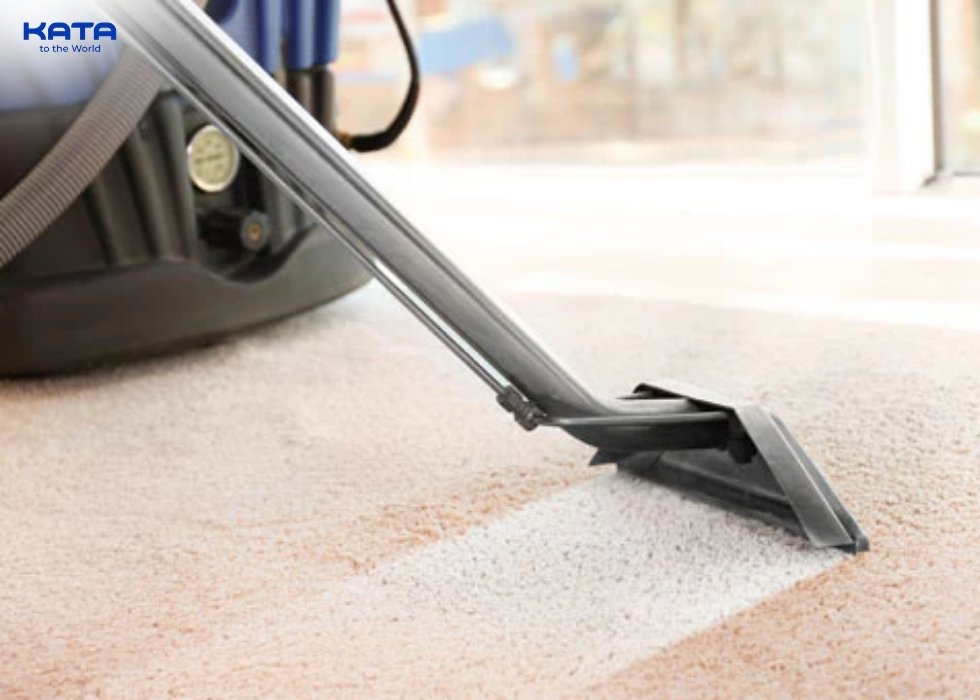
Polypropylene carpet maintenance
Applications Of Polypropylene Carpets
Polypropylene carpets are widely used in both residential and commercial settings. In homes, they are often found in living rooms, bedrooms, and basements due to their affordability and stain resistance. Commercial spaces, such as offices and retail stores, also benefit from polypropylene carpets because they offer a cost-effective flooring solution with decent durability. Additionally, polypropylene is commonly used for outdoor rugs and artificial grass due to its resistance to moisture and mildew.
Applications of polypropylene carpets
What Is The Price Of Polypropylene Carpet?
One of the main reasons people choose polypropylene carpets is their affordability. Compared to nylon or wool carpets, polypropylene options are significantly cheaper, making them an attractive choice for budget-conscious buyers. Prices typically range from $1 to $3 per square foot for basic options, while higher-end polypropylene carpets with enhanced durability and texture can cost between $4 to $7 per square foot. Factors such as brand, pile density, and backing material also influence the final price, but in general, polypropylene carpets remain one of the most cost-effective flooring options available.=>>> Read more: What is olefin carpet
Which Rooms Are Suitable For Polypropylene Carpets?
Polypropylene carpets work well in low-to-moderate traffic areas. They are ideal for bedrooms, guest rooms, and home offices, where foot traffic is not as intense. They can also be used in living rooms if paired with furniture that doesn’t exert excessive pressure on the fibers. However, they may not be the best choice for high-traffic areas like hallways or staircases, as they tend to flatten over time.
Which rooms are suitable for polypropylene carpets
Is Polypropylene Carpet Safe For Children And Pets?
Many homeowners wonder whether polypropylene carpets are safe for children and pets. The good news is that these carpets are non-toxic and do not emit harmful VOCs (volatile organic compounds). They are also hypoallergenic, making them a good choice for households with allergy sufferers. However, since they are not as soft as wool, some parents may prefer plush alternatives for play areas.=>>> Related Articles: What type of carpet should you buy
Can Polypropylene Carpets Be Washed?
Polypropylene carpets are relatively easy to clean and can be washed with mild detergents or diluted bleach solutions. Some polypropylene rugs are even machine-washable, though checking the manufacturer’s guidelines is always recommended. When washing polypropylene carpets, it’s crucial to avoid excessive heat or aggressive scrubbing, as these can damage the fibers.
Are polypropylene carpets washable?
Can Polypropylene Carpets Be Used Outdoors?
Yes, polypropylene carpets are one of the best choices for outdoor use. Their resistance to moisture, mold, and mildew makes them perfect for patios, decks, and garden spaces. Unlike natural fiber rugs, polypropylene carpets do not absorb water, meaning they dry quickly and maintain their appearance even in damp conditions. However, prolonged exposure to direct sunlight may cause slight degradation over time, so placing them in shaded areas can help extend their lifespan.Conclusion
Polypropylene carpets offer a practical and affordable flooring solution for many households and businesses. They are stain-resistant, easy to maintain, and versatile enough for both indoor and outdoor use. However, they do have some limitations, particularly in terms of durability and resilience. If you’re looking for a budget-friendly carpet that is easy to clean and resistant to moisture, polypropylene could be a great option. As with any flooring choice, considering your specific needs and lifestyle is key to making the right decision.
Other articles



COPYRIGHT 2021 © ALL RIGHT RESERVED KATAVINA


[×]
REGISTER AGENT
We will contact you as soon as possible