




Carpet vs. Vinyl Flooring: Which One Saves You Money On Installation?
One of the most common questions homeowners face regarding home flooring is: Is it cheaper to install carpet or vinyl flooring? Both options offer unique advantages and cater to different needs, but the decision ultimately depends on your priorities. Whether you're seeking affordability, comfort, or durability, understanding the key differences can help you make an informed choice. This guide will break down the costs and long-term value of carpet and vinyl flooring
Understanding Carpet and Vinyl Flooring
What is Carpet?
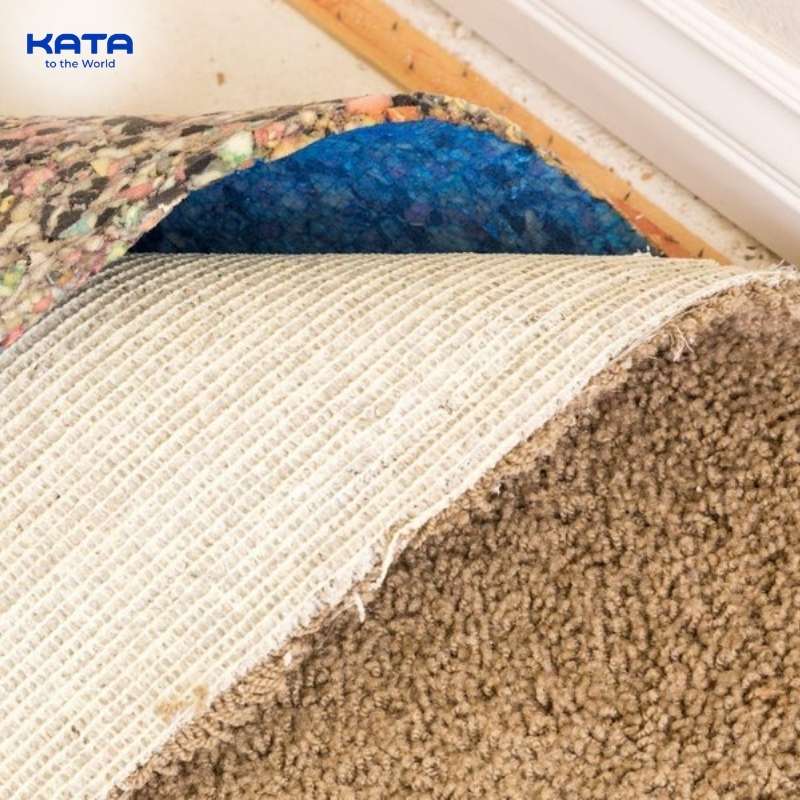
Carpet is a type of soft flooring made from a combination of fibers, which can include nylon, polyester, wool, or blends of synthetic and natural fibers. The surface of the carpet, known as the pile, is created by looping or cutting the fibers to give it its distinct texture. Carpets come in various forms, such as cut pile, loop pile, or a combination of both, offering diverse options in terms of look and feel.One of the key advantages of carpet is its luxurious and soft texture. It provides a warm and inviting underfoot feel, making it a popular choice for spaces like bedrooms and living rooms. Unlike harder flooring options, carpet adds a layer of comfort and creates a cozy atmosphere, ideal for relaxation and lounging. Additionally, carpets come in an array of colors, patterns, and textures, allowing homeowners to customize their interiors according to their style preferences.
Carpet also acts as a natural insulator, helping to retain heat in colder months. This makes it particularly appealing for households in cooler climates. Beyond its functional benefits, carpet contributes to a home's overall aesthetic by adding depth and character to any room.
What is Carpet?
What is Vinyl Flooring?
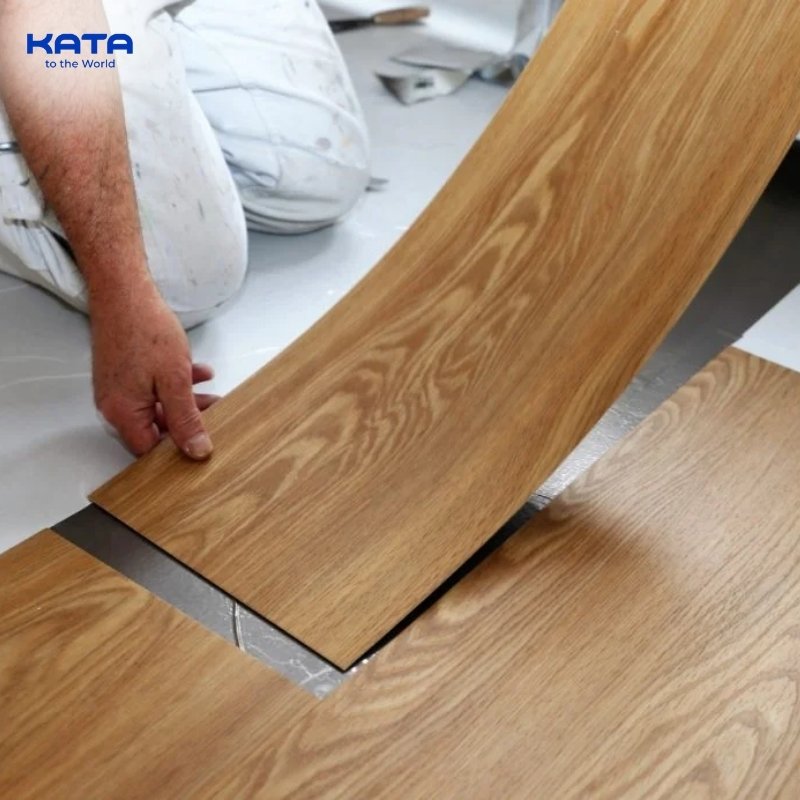
Vinyl flooring, on the other hand, is a resilient and durable flooring option made from synthetic materials, primarily PVC (polyvinyl chloride). It is available in various formats, such as vinyl sheets, planks, or tiles, each offering unique installation and design possibilities. Vinyl sheets are often used for large, seamless applications, while planks and tiles mimic the appearance of natural materials like wood or stone.One of the most notable features of vinyl flooring is its durability and water resistance. This makes it an excellent choice for areas prone to moisture, such as kitchens, bathrooms, and laundry rooms. Vinyl flooring is also praised for its low-maintenance nature. It is easy to clean and resistant to stains, which is why it’s a go-to option for high-traffic spaces.
However, while vinyl flooring is functional and practical, it lacks the warmth and tactile comfort of carpet. While it can replicate the look of premium materials, it cannot match the plush, inviting feel that carpet provides. Despite this, its affordability and versatility make it a strong contender in the flooring market.
=>>> Read more: How long does it take to install carpet
Vinyl Flooring
Cost Comparison: Carpet vs. Vinyl Flooring
Upfront Material Costs
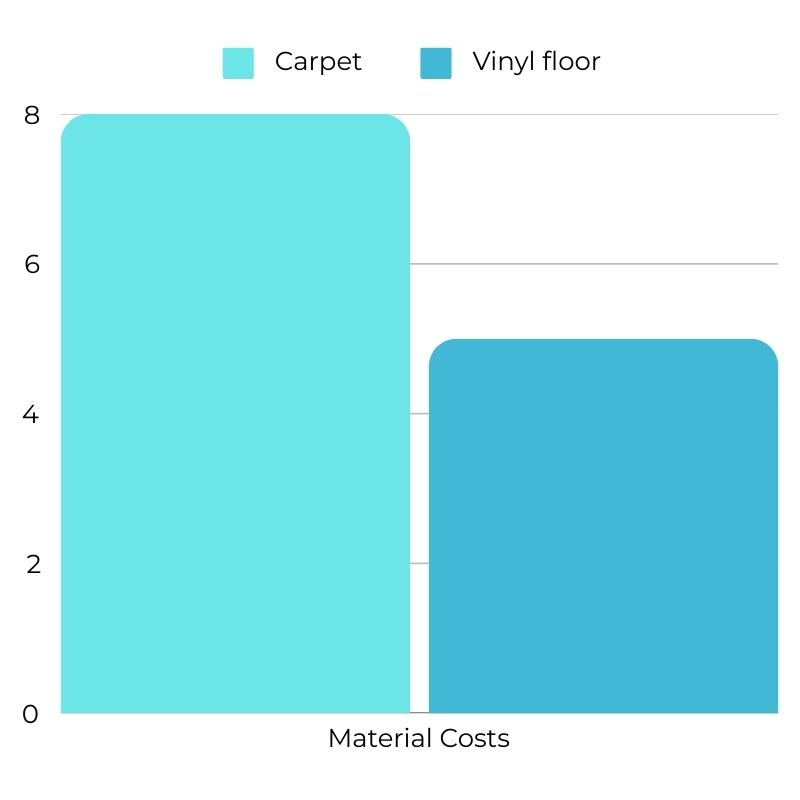
When comparing the upfront costs of carpet and vinyl flooring, both options are relatively budget-friendly, but the prices can vary significantly depending on the quality and type of material chosen.Carpet typically costs between $2 to $8 per square foot. Budget-friendly options like polyester carpets are available at the lower end of the spectrum, while premium wool carpets can reach the higher end. For homeowners seeking affordable yet high-quality options, nylon carpets provide a good balance between durability and cost-effectiveness.
Vinyl flooring ranges from $1 to $5 per square foot for standard options, while luxury vinyl planks (LVP) or tiles (LVT) can cost between $3 and $10 per square foot. While basic vinyl flooring is cheaper upfront, high-end vinyl products designed to mimic natural materials like hardwood or stone can rival or exceed the price of some carpets.
For budget-conscious homeowners, carpet offers excellent value for money, especially when comfort and aesthetics are priorities. While vinyl may initially appear more affordable, it’s essential to consider additional factors such as installation and long-term value.
Installation Costs
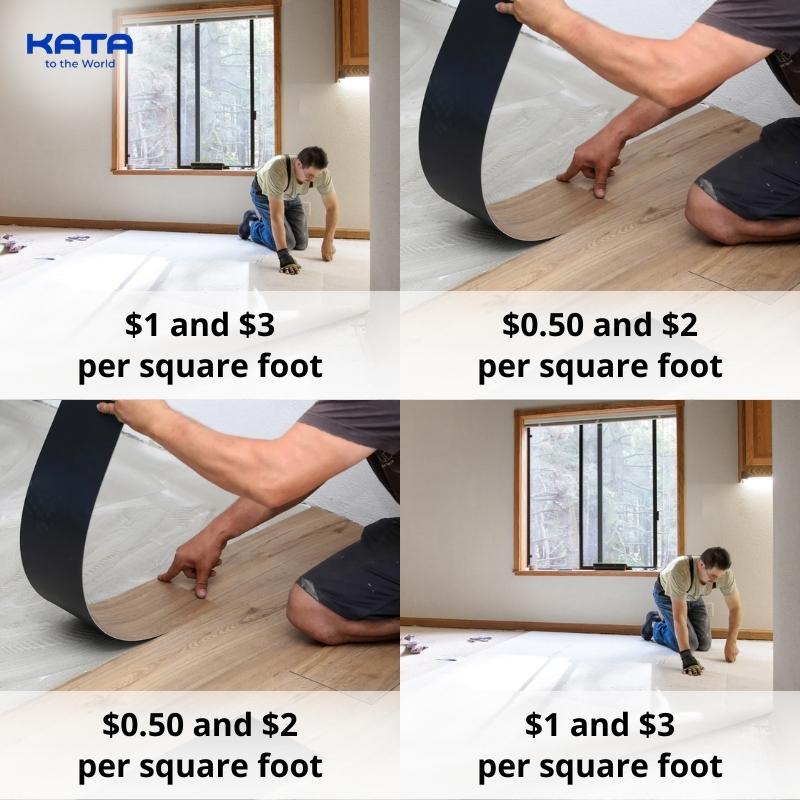
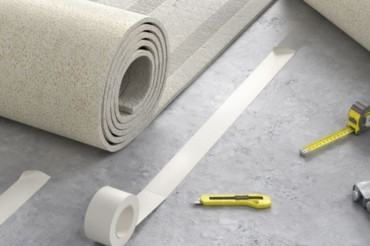
Installation costs also play a significant role in determining the overall expense of carpet and vinyl flooring.Carpet installation generally costs between $1 and $3 per square foot. While this may be slightly higher than vinyl, the installation often includes additional padding, which enhances comfort and extends the carpet’s lifespan. The added padding provides a cushioned feel underfoot and contributes to better sound insulation, making it a worthwhile investment for many homeowners.
Vinyl flooring installation, on the other hand, costs between $0.50 and $2 per square foot for basic setups. However, in some cases, vinyl installation may require additional subfloor preparation to ensure a smooth surface. This can increase costs, especially if the existing floor is uneven or damaged. Moreover, high-end vinyl planks and tiles may require more precise installation techniques, further raising labor costs.
When considering installation costs, carpet often provides better value for money. The included padding and enhanced comfort make it a more comprehensive solution, whereas vinyl flooring may involve hidden expenses that offset its initial affordability.
Installation Costs
Long-Term Costs
While upfront and installation costs are important, the long-term expenses associated with maintenance and durability should not be overlooked.Maintenance: Carpet requires regular cleaning to maintain its appearance and prevent dirt and allergens from building up. Vacuuming and occasional professional deep cleaning are necessary to keep carpets in good condition. Vinyl flooring, in contrast, is easier to clean with simple sweeping and mopping. However, it is prone to scratches and dents, which may require costly repairs or replacement.
Durability vs. Replaceability: Vinyl flooring is known for its longevity, often lasting 10 to 20 years with proper care. However, when vinyl becomes damaged, repairs can be challenging and expensive. Carpet, while less durable, offers the advantage of easy replacement. Instead of replacing an entire room’s flooring, homeowners can replace specific sections of carpet or opt for a full refresh at a relatively low cost.
In the long run, carpet’s replaceability and ability to maintain its visual appeal with proper care make it a practical choice for homeowners prioritizing comfort and aesthetics over extended durability.

Long-Term Costs
Why Carpet Outshines Vinyl Flooring
Comfort and Aesthetic Appeal
One of the most significant advantages of carpet over vinyl flooring is the unmatched comfort it provides. Carpet’s soft, cushioned texture creates a cozy and inviting atmosphere, making it the perfect choice for spaces where relaxation and comfort are key, such as bedrooms, living rooms, and family areas.Carpets also offer a wide range of design options, from solid colors to intricate patterns, allowing homeowners to personalize their interiors. The variety of textures, such as plush, berber, or frieze, ensures that there is a carpet style to suit every aesthetic preference. In contrast, while vinyl flooring can replicate the appearance of wood or stone, it lacks the tactile warmth and luxurious feel that carpets provide.

Aesthetic Appeal
Soundproofing and Insulation Benefits
Carpet excels in soundproofing, making it an ideal choice for multi-story homes or apartments. The fibers and padding of carpet absorb sound, reducing noise transmission between rooms and levels. This makes carpet particularly suitable for households with children, pets, or entertainment systems.Additionally, carpet provides excellent insulation. It helps retain heat during colder months, creating a warmer and more energy-efficient environment. In comparison, vinyl flooring, though practical in many ways, lacks the insulating properties of carpet and can feel cold underfoot, especially in winter.

Soundproofing
Safety and Comfort for Families
Carpet is a safer and more comfortable flooring option, particularly for families with children or elderly members. Its soft surface provides cushioning, reducing the risk of injury from falls. This is especially important in areas where kids play or where older adults may be more prone to slips and accidents.Moreover, carpet’s slip-resistant nature adds an extra layer of safety. Unlike vinyl flooring, which can become slippery when wet, carpet offers better traction and peace of mind for households concerned about safety.

Comfort for Families
Wrap-up
When deciding between carpet and vinyl flooring, it’s clear that both options have their unique advantages. Vinyl flooring is durable, water-resistant, and easy to maintain, making it suitable for high-moisture areas like kitchens and bathrooms. However, carpet stands out as the superior choice for homeowners seeking comfort, warmth, and aesthetic appeal.From its soft and luxurious feel to its soundproofing and insulating benefits, carpet transforms any space into a cozy haven. While it may require more maintenance than vinyl, its affordability, safety, and ability to enhance a home’s overall atmosphere make it a worthwhile investment. For those prioritizing comfort and style, carpet is undoubtedly the flooring option to beat.
Other articles




COPYRIGHT 2021 © ALL RIGHT RESERVED KATAVINA


[×]
REGISTER AGENT
We will contact you as soon as possible