




How To Stop Wool Carpet From Shedding? 6 Effective Solutions
Wool carpets are loved for their luxurious feel, durability, and insulation benefits. However, shedding is a common issue that can frustrate homeowners. If you've recently bought a wool carpet or are struggling with excessive shedding, understanding the causes and solutions is essential. With the right care, shedding can be controlled effectively. In this guide, I’ll share my experience and expert-backed strategies to help you manage wool carpet shedding while keeping your carpet in top condition.
Reasons For Wool Carpet Shedding
Shedding in wool carpets is a natural process, particularly in the initial months after installation. Wool fibers go through multiple stages, including shearing, spinning, and weaving, before forming a carpet, and some loose fibers inevitably remain trapped in the pile. As you use the carpet, these loose fibers gradually make their way to the surface. While shedding is expected, understanding its causes and how to manage it properly can help maintain the carpet's appearance and longevity.
Reasons why wool carpets shed
Differentiating Normal Wool Carpet Shedding From Excessive Shedding
It’s essential to distinguish between normal and excessive shedding. If your wool carpet sheds lightly for the first few months, that’s completely natural. New wool carpets often release loose fibers from the manufacturing process, and this shedding gradually decreases with proper maintenance.However, if shedding continues beyond six months, or you notice thinning patches and fiber loss affecting the carpet’s texture, it may indicate an underlying problem. Factors such as poor-quality wool, improper cleaning, or excessive foot traffic can contribute to excessive shedding. Identifying whether you’re dealing with normal or excessive shedding is the first step toward finding the right solution.

Distinguishing wool carpet shedding
Factors Causing Too Much Shedding In Wool Carpets
Quality Of The Wool And Manufacturing Process
The quality of the wool and the carpet’s construction play a crucial role in shedding. High-quality wool carpets, especially those that are hand-knotted, have tightly twisted fibers that minimize shedding, while machine-made or low-grade wool carpets tend to lose fibers more easily. Additionally, poorly spun wool or improper fiber processing during manufacturing can result in excessive shedding, making it essential to invest in a well-crafted carpet for long-term durability.=>>> See more news articles: Wool vs synthetic carpet

Quality of the wool
Age Of The Carpet
New wool carpets often shed more in the beginning as they release loose fibers left over from the manufacturing process. This shedding is expected and typically decreases with regular maintenance such as gentle vacuuming and proper care. However, if an older wool carpet begins shedding excessively, it could be a sign of fiber deterioration due to wear and tear. Factors like prolonged use, foot traffic, and improper cleaning methods may accelerate fiber breakdown, making the shedding issue more noticeable over time.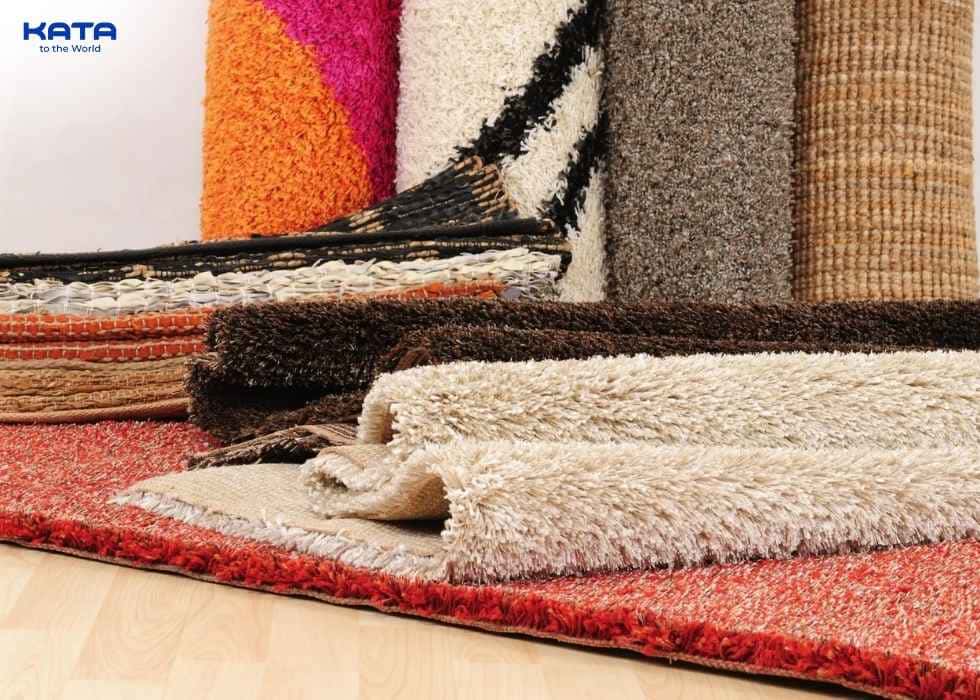
Lifespan of wool carpets
Traffic And Usage
High foot traffic significantly contributes to wool carpet shedding, particularly in busy areas such as hallways, living rooms, and staircases. Constant movement over the carpet agitates the fibers, causing loose strands to rise to the surface more quickly.Additionally, dragging furniture or heavy foot pressure in the same spots can weaken fibers over time, making the shedding process even more noticeable. Using rugs in high-traffic areas and rearranging furniture periodically can help distribute wear more evenly, reducing excessive shedding.
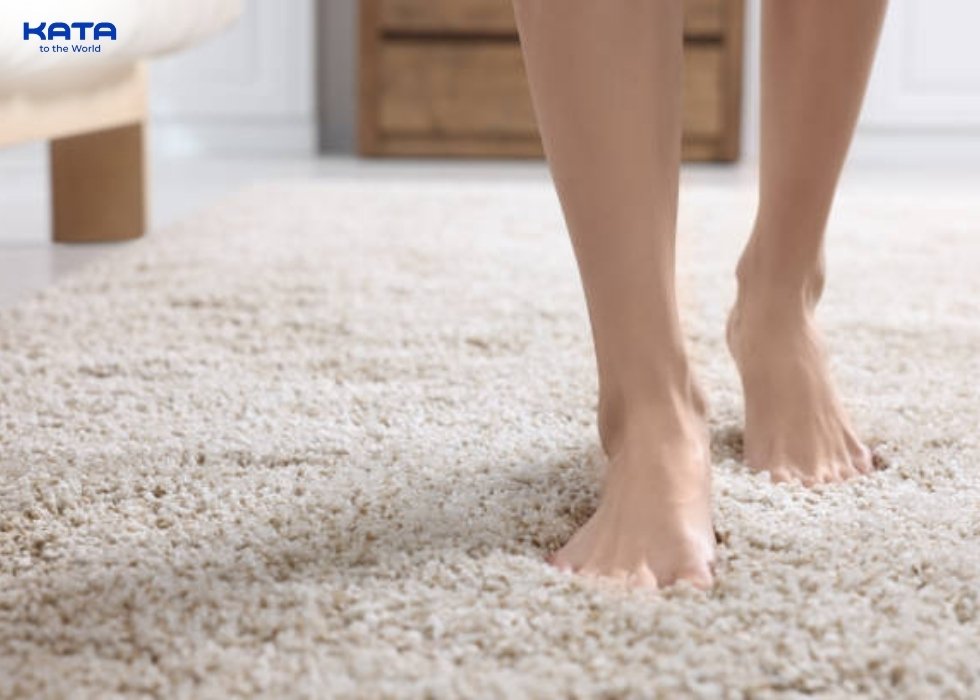
Wool carpets in high traffic areas
Environmental Factors (humidity, dryness)
Wool is highly sensitive to environmental conditions, and maintaining a balanced indoor environment is key to preserving its integrity. Excessive humidity can cause wool fibers to absorb moisture, weakening their structure and making them more prone to breakage and shedding. On the other hand, extremely dry conditions can strip wool of its natural moisture, making the fibers brittle and more susceptible to fiber loss. To protect your wool carpet, it’s essential to maintain an indoor humidity level between 40-60%, using humidifiers or dehumidifiers when necessary to create a stable environment.=>>> See more news articles: Sisal and wool carpet

Environmental factors
Solutions To Stop Wool Carpet From Shedding
Vacuum Regularly
Regular vacuuming with a low-suction setting is essential to remove loose fibers before they accumulate on the surface. Using a beater bar vacuum can be too harsh on wool fibers, leading to further shedding, so I recommend a suction-only or adjustable vacuum to minimize fiber loss.Vacuuming two to three times a week during the initial months can significantly reduce shedding. Additionally, vacuuming in the direction of the carpet pile helps prevent unnecessary fiber disturbance, preserving the wool’s integrity while maintaining a clean and fresh appearance.
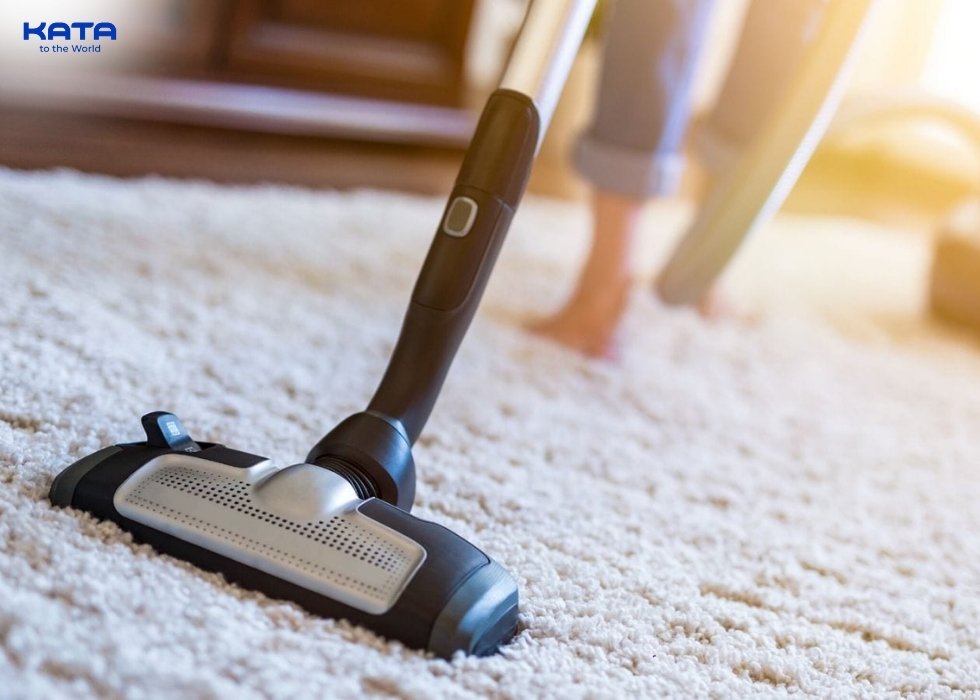
Vacuum wool carpets regularly
Gentle Grooming
Gently brushing the carpet with a soft carpet rake or a wool-friendly brush helps realign fibers and remove loose lint, preventing excessive accumulation on the surface. This process also keeps the fibers looking smooth and well-maintained.However, aggressive brushing can be detrimental, as it pulls out more fibers than necessary and exacerbates shedding. Always use a light touch and brush in the direction of the carpet pile to preserve the wool's integrity and longevity.
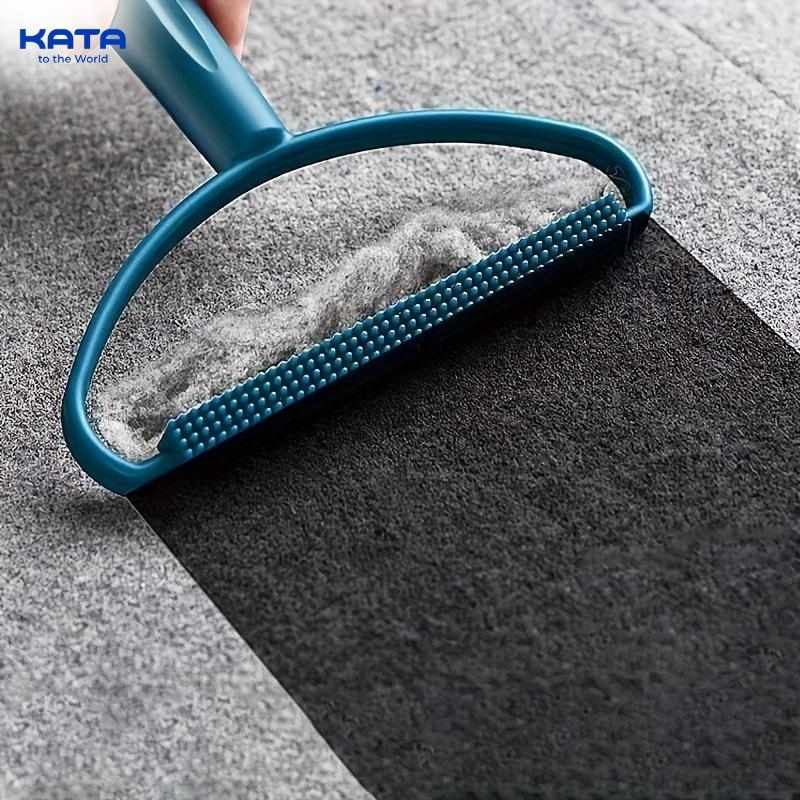
Brushing wool carpet
Avoid Harsh Cleaning
Strong chemical cleaners and aggressive scrubbing can weaken wool fibers, causing them to break down and shed more rapidly. Harsh detergents strip the natural oils from wool, making it brittle and more prone to fiber loss.Instead, opt for mild, wool-safe cleaning solutions and blot stains gently using a soft cloth. Dry cleaning with professional wool carpet cleaners can also help maintain fiber integrity while ensuring deep cleaning without excessive agitation.
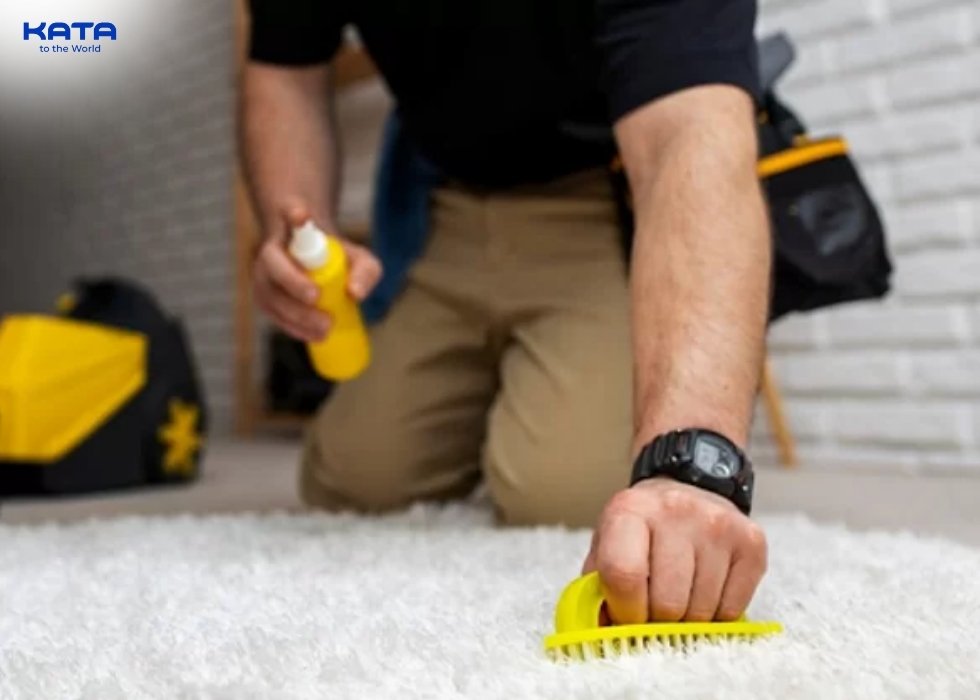
Avoid harsh cleaning
Proper Carpet Padding
A high-quality carpet pad provides essential cushioning, reducing the direct impact on wool fibers and preventing premature wear. Proper padding absorbs foot pressure, helping to minimize fiber stress and shedding, especially in high-traffic areas.For the best results, choose a dense, high-grade felt or rubber pad, as these materials offer excellent support and durability while preserving the integrity of wool fibers over time.
=>>> See more news articles: What are the different types of carpets
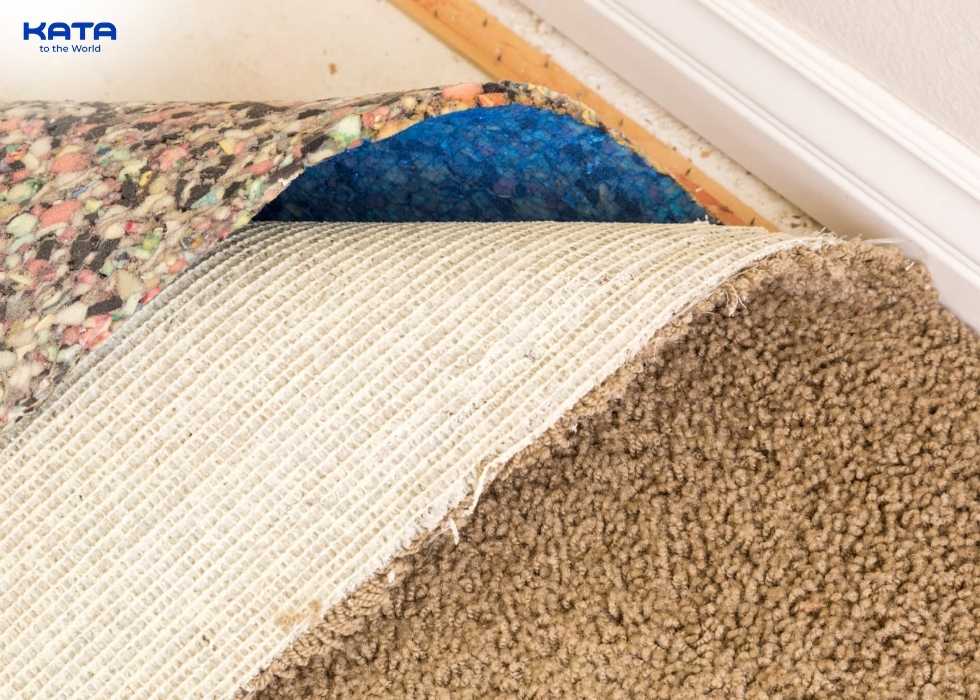
Proper carpet padding
Environmental Control
Maintaining stable indoor humidity levels between 40-60% is essential to preserving the integrity of wool fibers. When humidity drops too low, the wool becomes brittle and more prone to fiber loss, while excessive moisture can weaken the fibers and cause unnecessary shedding.Using a humidifier during dry seasons and a dehumidifier in humid climates helps regulate moisture levels, keeping wool fibers strong and resilient. This environmental balance not only reduces shedding but also extends the overall lifespan of your carpet.

Environmental control
Quality Carpets
Investing in a high-quality wool carpet with tightly woven fibers and proper construction is one of the most effective ways to minimize shedding. Hand-knotted and well-spun wool carpets tend to shed significantly less than machine-made alternatives due to their superior craftsmanship and fiber integrity.If shedding is a major concern, selecting a premium wool carpet from reputable manufacturers ensures better durability and longevity. Well-processed wool undergoes thorough cleaning and spinning, reducing loose fibers that contribute to shedding. Making an informed purchase can save you maintenance efforts in the long run while preserving the carpet’s luxurious appeal.
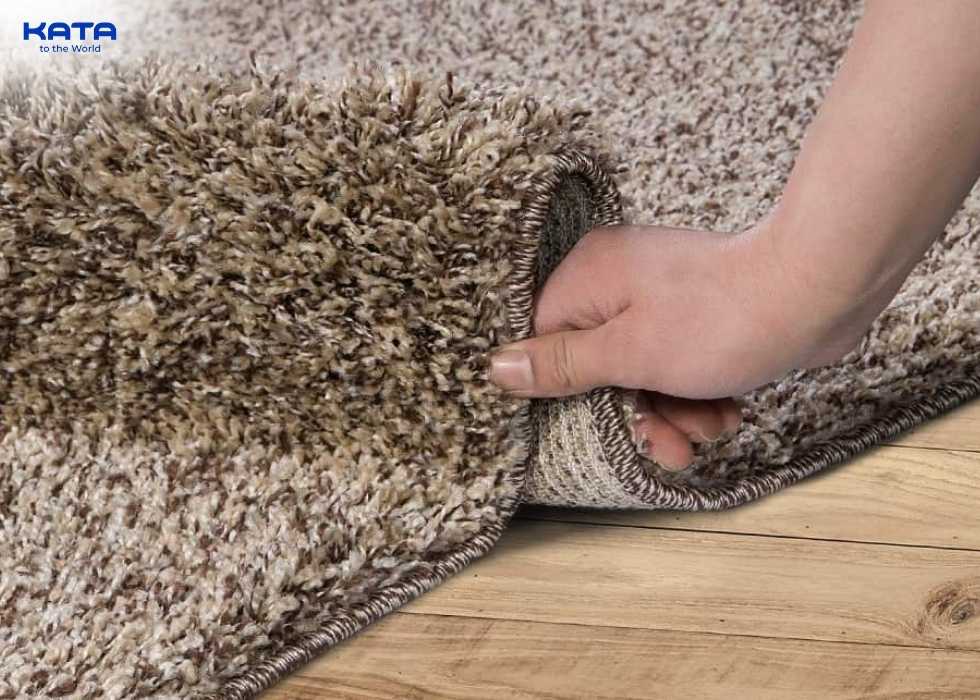
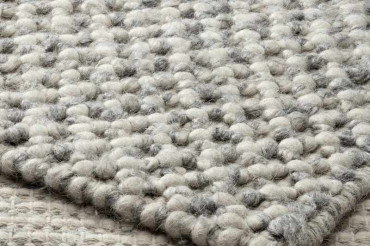
Quality of wool carpets
Tips To Prevent Wool Carpet Shedding
- Shake out the carpet gently before placing it in a high-traffic area to remove loose fibers.
- Rotate your carpet every few months to ensure even wear and minimize stress on specific areas.
- Keep pets’ nails trimmed to prevent them from pulling or damaging wool fibers.
- Avoid placing heavy furniture directly on the carpet without protective padding to reduce fiber breakage.
- Maintain regular cleaning and proper care to ensure long-term stability and minimal shedding.
Other articles



COPYRIGHT 2021 © ALL RIGHT RESERVED KATAVINA


[×]
REGISTER AGENT
We will contact you as soon as possible