



What is Neoprene Car Interior Material? Benefits, Uses & Comparison
What is neoprene car interior material? Neoprene is a synthetic rubber (polychloroprene) widely used in modern car interiors due to its durability, water resistance, and stable performance under temperature extremes. It is commonly found in seat covers, floor mats, and sealing components where consistent protection and flexibility are required.
This article explains what neoprene car interior material is, its key properties, how it is used across different interior applications, and how it compares to alternatives like leather, fabric, and vinyl, so you can evaluate whether it is the right choice for your vehicle.
What is Neoprene Car Interior Material?
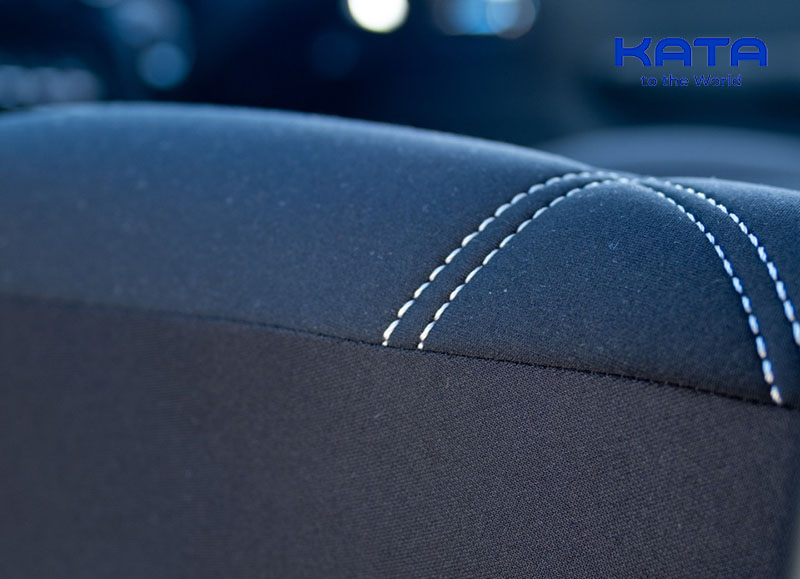
Neoprene, also known as polychloroprene, is a synthetic rubber material specifically engineered for durability, flexibility, and resistance to water, heat, oils, and mild chemicals. It is produced through a controlled polymerization process, resulting in more consistent performance than natural rubber in automotive applications.
Beyond its composition, neoprene is also valued for its distinctive feel. It has a smooth, slightly spongy texture that is both soft and resilient, creating a comfortable cushioning effect. This makes it especially suitable for car interior areas that people frequently touch, such as seats and armrests. Neoprene provides a soft, cushioned feel for comfort, although its heat retention is higher than breathable fabrics due to its closed-cell structure.
In short, neoprene brings together engineered durability, everyday comfort, and reliable moisture resistance—making it an ideal material for modern automotive interiors.
Benefits of Neoprene Car Interior Material
Neoprene is an ideal material for car interiors due to its durability and resistance to daily wear. Here are some of its key benefits:
-
Excellent water resistance: Its closed-cell structure effectively blocks water, keeping seats, carpets, and dashboards safe from spills, rain, or moisture buildup.
- High temperature resistance: Neoprene maintains flexibility within a temperature range of approximately -40°C to 120°C, without cracking, hardening, or permanent deformation over time.
- Elasticity: Neoprene can stretch to approximately 200–300% of its original length and return to its original shape without permanent deformation, allowing it to conform closely to contoured seats and dashboards for a secure, stable fit.
- Durability: Neoprene resists abrasion, UV exposure, oils, fuels, and mild chemicals, but strong solvents and harsh cleaning agents can degrade its surface over time.
-
Low maintenance requirements: Its non-absorbent surface allows for quick and easy cleaning, reducing effort while keeping the car interior looking new.
At the same time, there are a few considerations to keep in mind when choosing neoprene:
-
Higher cost: Neoprene is generally more expensive than standard automotive fabrics, though its long-term durability can offset the initial price.
-
Limited breathability: Its water-resistant nature can reduce airflow, which may cause seats to feel warmer and less ventilated in hot climates.
Common Uses of Neoprene in Car Interiors
Neoprene isn’t just versatile—it’s strategically used in key areas of a vehicle where durability, comfort, and resistance really matter. Below are the most common applications where its properties deliver the most value.
Custom Car Floor Mats and Liners
Floor mats take the most abuse daily, and neoprene handles it effortlessly in both wet and dirty driving conditions. Its water-resistant surface blocks moisture, preventing damage to the carpet and reducing odor buildup over extended periods of use.
At the same time, its flexible structure allows for precise, custom-fit mats, keeping them securely in place and improving overall safety and stability while driving on different terrains.
Seat Covers and Upholstery

Neoprene is a go-to choice for seat covers because it combines comfort with long-term protection. Its soft, cushioned feel enhances the driving experience, while its resistance to spills keeps seats cleaner for longer periods.
Thanks to its stretchability, it also fits snugly over seats, maintaining a clean, factory-like appearance while protecting the original upholstery from daily wear.
Dashboards, Trim, and Center Consoles
In areas exposed to sunlight, neoprene helps maintain both performance and visual appearance over time. It resists UV damage effectively, reducing the risk of fading, cracking, or surface deterioration.
Its slightly padded structure also helps absorb vibrations, contributing to a quieter, smoother, and more comfortable cabin environment overall.
Under-the-Hood: Seals and Gaskets
Beyond visible interiors, neoprene plays a critical role under the hood in demanding and high-temperature operating environments. Its resistance to heat, oil, and chemicals makes it highly effective for seals and gaskets in critical engine components.
Maintaining tight seals and preventing leaks supports stable engine performance while improving long-term durability and overall vehicle reliability over time.
The Advantages and Drawbacks of Neoprene
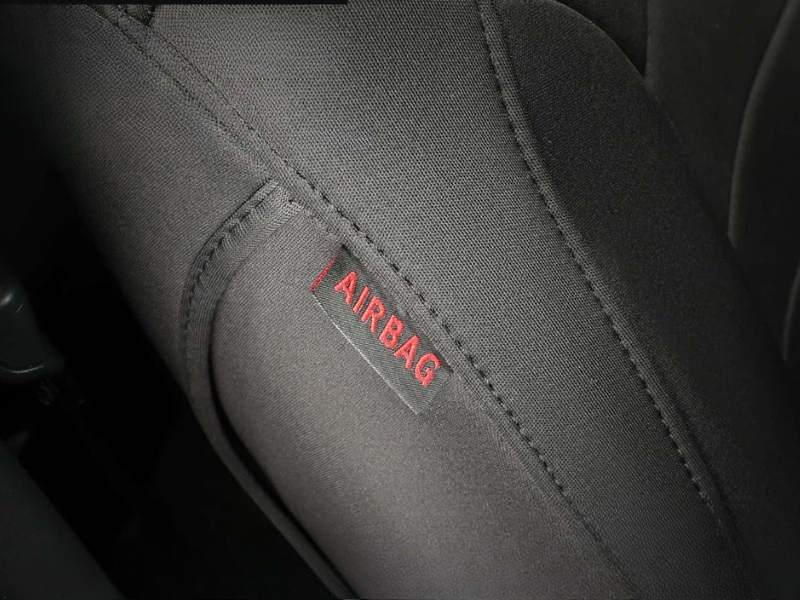
Like any material used in automotive design, neoprene has its own strengths and limitations. Understanding these factors from both a manufacturing and user perspective helps provide a more balanced view of its real-world applications.
For Car Manufacturers and Suppliers
From a manufacturing perspective, neoprene offers several practical advantages that help optimize both production and product performance:
-
Versatile across applications: Neoprene can be used in multiple interior and mechanical components, reducing the need for different materials in production.
-
High durability and reliability: Its resistance to wear, chemicals, and environmental conditions helps extend product lifespan and reduce warranty claims.
-
Consistent performance: Neoprene maintains stable properties across different climates, making it suitable for global automotive markets.
Despite these benefits, there are also some considerations that manufacturers need to keep in mind:
-
Higher material cost: Compared to basic rubber or fabric, neoprene can increase overall production expenses, especially in budget vehicle segments.
-
Environmental concerns: Its chemical-based manufacturing process may raise sustainability issues compared to more eco-friendly materials.
For Drivers and Passengers
For drivers and passengers, neoprene brings a combination of comfort and everyday practicality that enhances the in-car experience:
-
Enhanced comfort: The soft, cushioned texture improves seating comfort, especially during long drives.
-
Strong resistance to spills and stains: Helps keep interiors clean and protected in everyday use.
-
Easy maintenance: Non-absorbent surfaces allow for quick and simple cleaning.
At the same time, there are a few limitations that users should be aware of:
-
Heat retention: Neoprene can absorb and retain heat when exposed to direct sunlight, making surfaces feel warmer.
-
Gradual wear over time: While durable, it may still show signs of aging if not properly maintained.
Neoprene vs Leather vs Fabric for Car Interiors
Neoprene combines durability, comfort, and strong water resistance, making it a practical choice for everyday automotive use. It offers a balanced performance that suits both functionality and user experience, especially in conditions where interiors are exposed to moisture, wear, and frequent use.
Below is a summary comparison table between neoprene and other common car interior materials to help you easily evaluate and choose the most suitable option for your needs.
|
Feature |
Neoprene |
Leather |
Fabric |
PVC/Vinyl |
|
Water Resistance |
High – resists spills and moisture well, similar to PVC |
Moderate – minor spills can stain |
Low – easily absorbs liquids and stains |
High – waterproof but less breathable |
|
Durability |
High – withstands wear, UV, oils, and abrasion, but can tear if punctured |
High – long-lasting if maintained |
Medium – prone to wear and fading |
Medium – may crack or peel over time |
|
Comfort |
High – soft and flexible, conforms to shapes |
High – smooth and luxurious |
Medium – breathable but less supportive |
Low – stiff and can feel hot in sunlight |
|
Breathability |
Moderate – limited airflow may cause warmth during long drives |
Low – less breathable, can feel hot |
High – breathable and cooler |
Low – poor airflow, can feel hot |
|
Cost |
Medium – more expensive than fabric or PVC |
High – premium option |
Low – budget-friendly |
Low – inexpensive but less comfortable |
FAQs
Can neoprene be customized for different car models?
Yes, neoprene can be easily molded and tailored to fit specific vehicle designs, making it ideal for custom-fit accessories like seat covers and floor mats.
Does neoprene have any odor inside the car?
Neoprene can release a mild synthetic odor after manufacturing, but this dissipates within 24–48 hours under normal ventilation and does not persist during regular use.
Is neoprene suitable for hot climates?
Neoprene performs reliably in temperatures up to 120°C, but its closed-cell structure retains heat, making it warmer than breathable fabrics under direct sunlight.
Can neoprene resist UV damage over time?
Yes, neoprene has good resistance to UV rays, which helps prevent cracking and fading compared to many traditional materials.
Is neoprene environmentally friendly?
Neoprene is durable and long-lasting, which reduces replacement frequency, but its synthetic production process is less eco-friendly than some natural or recycled materials.
Other articles

How to Keep Car Floor Mats from Sliding

How to Get Motor Oil Out of Car Carpet

How to Get Dog Poop Out of Car Carpet (Step by Step)



